• About

The Strawfoot

~ a New Yorker's American History blog

The Strawfoot

Category Archives: Heritage tourism

The New York Times on Ft. Hamilton

15 Tuesday Sep 2015

Posted by Keith Muchowski in Heritage tourism

≈ Comments Off on The New York Times on Ft. Hamilton

One gets a sense of Ft. Hamilton's remoteness in this turn of the century photograph. Note the water background.

One gets a sense of Ft. Hamilton’s remoteness in this turn of the century photograph. Note the harbor in the background.

The piece is not too extensive but there are so few references to Brooklyn’s Ft. Hamilton that I thought I would pass along this New York Times piece about the Army base. If you have never been, I can attest that this is a great excursion. It’s something to think about especially with fall coming up. Ft Hamilton is in an interesting part of the city; the Verrazano Bridge changed the dynamic when it was completed in 1964, but the neighborhood still has its unique feel. I mention Ft. Hamilton every Sunday in my tours at Governors Island. One can’t understand New York Harbor’s coastal defenses without seeing how each fortification fits into a larger picture. Ft. Hamilton has a very long history. To the best of my knowledge it is the last of the system defenses to remain an active military base. Robert E. Lee was stationed there for five years in the early 1840s, just before the Mexican-American War.

In an episode that presages Prohibition, the Brooklyn Daily Eagle noted in its September 12, 1918 edition that the War Department closed fourteen saloons adjacent to the base that day. The article adds that saloons throughout Bay Ridge had been shut down for months prior to that. It is not a coincidence that Prohibition came when it did. The Temperance Movement had been making headway for decades and saw the First World War as their golden opportunity. Many states and localities went dry between 1914-18. The Volstead Act came on May 27, 1919 while President Wilson and his Administration were finalizing Versailles.

(image/Irma and Paul Milstein Division of United States History, Local History and Genealogy, The New York Public Library. “Cropsey house, Ft. Hamilton , Bay Ridge, Brooklyn” The New York Public Library Digital Collections. 1885 – 1914. http://digitalcollections.nypl.org/items/5e66b3e8-6cee-d471-e040-e00a180654d7)


The Slave Dwelling Project comes to New York

12 Wednesday Aug 2015

Posted by Keith Muchowski in Heritage tourism

≈ Comments Off on The Slave Dwelling Project comes to New York

index.phpI remember reading an article a very long time ago by Alex Haley in which he recounted his experience in retracing the Middle Passage of his African ancestor. In that piece Haley mentioned lying in the hold of the ship in which he was traveling across the Atlantic to re-live, to the extent he could, the crossing. That experience was all the more poignant for Haley because he had served in the U.S. Coast Guard for twenty years and knew the sea. For the past decade and a half museum professional Joseph McGill has been on a similar mission; since 1999 he has traveled to various sites across the country and spent the night trying to re-live the experiences of the slaves who once lived there. This summer he is in New York State.

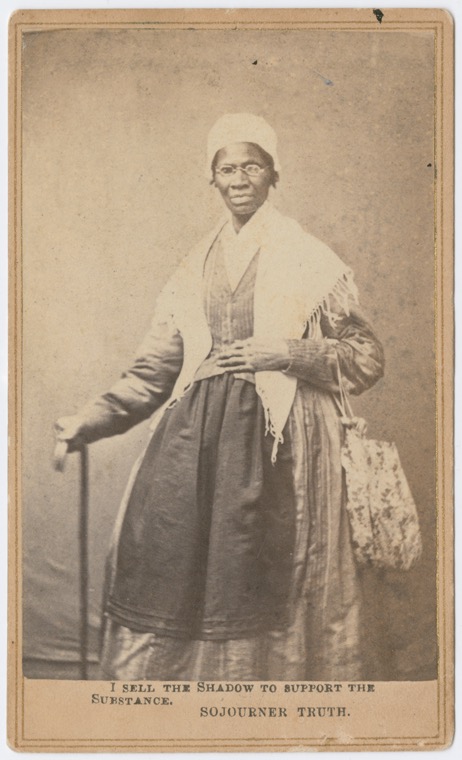
New York is rich in abolitionist and Underground Railroad history. Harriet Tubman, Gerrit Smith, and Sojourner Truth are just a few of the people who lived at least part of their lives in New York. Slavery existed in the Empire State until 1827. Sojourner Truth was born into bondage here in 1797. Today’s New York Times has more on Mr. McGill and his project. The New-York Historical Society had an outstanding exhibit on slavery in New York a few years ago. Jennifer Schuessler’s article fills in even more of the blanks on this still relatively unknown story.

(image/Schomburg Center for Research in Black Culture, Photographs and Prints Division, The New York Public Library. “I sell the shadow to support the substance, Sojourner Truth.” The New York Public Library Digital Collections. 1864. http://digitalcollections.nypl.org/items/510d47e1-cde8-a3d9-e040-e00a18064a99)


John Howland Lathrop’s Unitarian Church

20 Monday Apr 2015

Posted by Keith Muchowski in Heritage tourism, Historiography, Interpretation, Monuments and Statuary, New York City

≈ 2 Comments

IMG_2089Late last week I was walking though Brooklyn Heights on my way to meet a friend for lunch when I saw that the gates of the First Unitarian Congregational Society Church were open. I love to visit the many places of worship here in New York City, which depending on the era might have been built by Italian craftsmen who came through Ellis Island or were centers of Abolition during the Civil War Era. No, not all of them have such a dramatic provenance but one gets the idea. I had never been in the First Unitarian before, though I had walked past it dozens of times. The neo-gothic structure dates to 1844 and carries the years well.

IMG_2096I was only there for all of five minutes when, heading toward the door, I noticed a Great War marker on the wall in the vestibule. Of course I took a few pictures to research and submit to the World War 1 Memorial Inventory Project. The plaque itself was nothing out of the ordinary, nor would one expect it to be. With simple dignity it marked the contributions of those from the the congregation who served in war from 1917-18. A few of them made the ultimate sacrifice. I could not find too much information about when the plaque was dedicated. The church leader though turned out to be an interesting individual.

HowlandThe Reverend Dr. John Howland Lathrop led the First Unitarian from 1911-57. He was against American involvement in the war but when it came in April 1917 he made his own contribution: Lathrop helped bring the Red Cross into the United States Navy. When that initial work was done he led the Red Cross’s WW1 initiative within the Third Naval District. That jurisdiction covered most of the Northeast. He was successful in these endeavors and continued a life of public service until his retirement in the late 1950s. A lot of that work involved cleaning up the mess in Europe that resulted from the chaos and destruction of the Great War.

I intend t do a little more with Lathrop in the coming months. A little digging revealed that his papers are at the Brooklyn Historical Society, which is across the street from the church that he served for nearly half a century.


Sunday eve

24 Sunday Aug 2014

Posted by Keith Muchowski in Governors Island, Heritage tourism

≈ Comments Off on Sunday eve

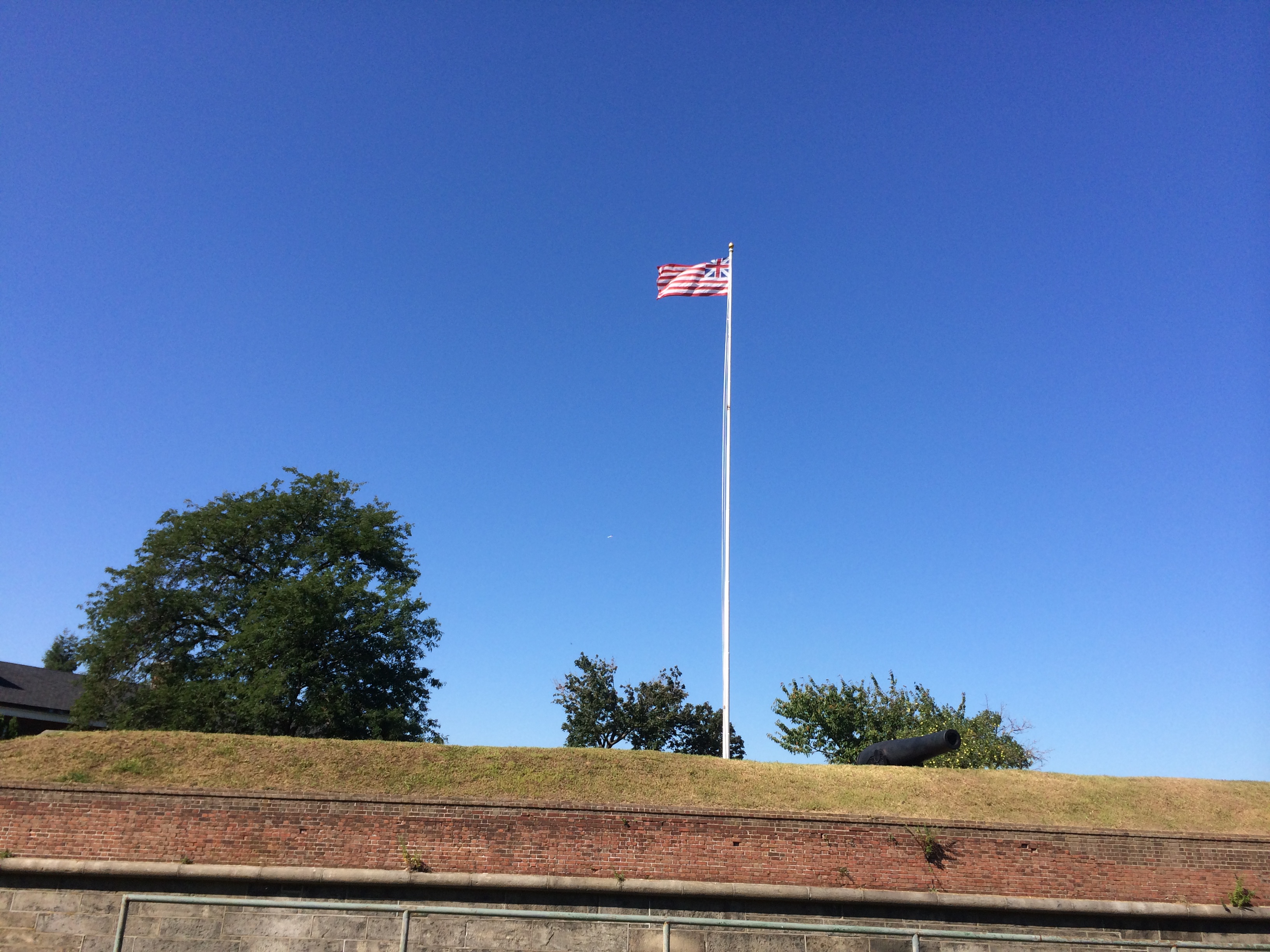
The Colonial Era Grand Union flying over Fort Jay today.  Look closely at the canton and you will see the Union Jack.

The Grand Union flying over Ft Jay today. Note the Union Jack in the canton.

It was a fun and exhausting day on Governors Island. There was a lot going on, which I will talk more about as the week progresses. You never know who or what you will see. Today there was an old Coast Guard member who had served on the island for twenty years. He was even there on 9/11 as part of the skeleton crew left over after the closing of the base in the late 90s. That would have put him just half a mile rom the Trade Center. One of my favorite things about the island is seeing which flag the Park Service has decided to fly over Fort Jay. It varies depending on the occasion and/or the mood of the personnel doing the hoisting. It is one of those neat little things I like to point out to visitors. Some thought has always gone into it. This week it is the Grand Union flag in recognition for the Battle of Brooklyn, the anniversary of which is in a few days.

I was in Boston earlier in the week visiting relatives and we went to Concord and Lexington. I had never been there before and feel I now have a sense of the Shot Heard Round the World that I did not have previously. As with Civil War sites, one must visit and walk the battle grounds of the Revolutionary War to get a sense of the action. I had a good talk with Park personnel about the hows and whys of the construction of the visitor center in the early Seventies in preparation for the Bicentennial. Over the past few day I have been reading the Cultural Landscape Report for Minute Man National Historic Park. The evolution of historic sites is fascinating in and of itself. I read an article a few years ago, for the life of me I cannot remember where, in which the author argued that New York State lags behind Massachusetts and Virginia in the Revolutionary War tourism industry because the Empire State was late to the game at the turn of the 20th century. It certainly sounds feasible and would explain why New York’s role in the Revolution is under-appreciated. That is why I was glad to see the Grand Union flying today.


Remembering Nixon’s resignation

09 Saturday Aug 2014

Posted by Keith Muchowski in Heritage tourism, Washington, D.C.

≈ Comments Off on Remembering Nixon’s resignation

Two years ago, on June 17, 2012 to be precise, I posted this small vignette about the 40th anniversary of the Watergate break-in. Now today is the 40th anniversary of Nixon’s resignation. August 9, 1974 was a momentous day in my family’s history. We moved from Connecticut to Florida that day. I was all of seven years old and even though I did not understand the specifics I understood that major changes for my parents, brother, sister, and me were underway. It was probably for the best that I didn’t all that was happening; my parents marital troubles were the reason for the relocation and they divorced the following year. In my mind the Nixon resignation and the relocation are forever linked.

Today is the 40th anniversary of the Watergate break-in. I have seen surprisingly little about this in the news. I suppose a reason is that it was never the break-in, but the cover-up, that was considered the big crime. It could be, too, that the Watergate scandal has reached that intermediary stage where it is no longer a current event and not quite yet history. Demographically, Washington has changed a great deal in the past several decades as well. Gentrification has brought many younger people–young twenty- and thirty-somethings–who are too busy building their careers to think about it. We know the least about the decade just before and the decade after we are born.

The area around the Watergate Building Complex is off the beaten path and visited by very few tourists taking in the sights. We ourselves go to DC fairly frequently and I must say we have never gone out of our way to see it. Cultural Tourism DC is planning to install signage in the neighborhood. I wonder if the 50th anniversary of this event will be a bigger deal. We’ll know just a short decade from now.

(image/Watergate Building Complex, Allen Lew)

Walking in the steps of Black History

07 Friday Feb 2014

Posted by Keith Muchowski in Heritage tourism, New York City

≈ Comments Off on Walking in the steps of Black History

Nicodemus, Kansas

Nicodemus, Kansas

Two years ago I contacted a particular cultural institution here in New York City about setting up a walking tour of Lower Manhattan related to African-American history, especially nineteenth century African-American history. After showing great initial excitement, the individual with whom I was corresponding lost interest; I know this because he stopped returning my messages. I found the whole thing curious, especially because it was pretty clear I would do all the work, including the tours themselves. For free. Basically, the institution would have provided its imprimatur and done a little publicity on its website. Who it was I will never say.

Over the weekend I am going to write an encyclopedia entry about Nicodemus, the all-black Kansas town founded in the 1870s by individuals from Kentucky and Tennessee. Nicodemus is now a national historic site. I have been to Kansas before, but alas never to Nicodemus. It will someday be part of the Great Driving Tour of the Midwest the Hayfoot and I take in a few years. There is no substitute for going to the places where history is made.

For Black History Month the Civil War Trust has published its top ten list of African-American places to visit. A few of them I have been to; others are on my to-do list.  One need not wait for spring. Put your parka on and go.

(image/Library of Congress)

Questions for Ranger Shelton Johnson

09 Monday Sep 2013

Posted by Keith Muchowski in Heritage tourism, Interviews, National Park Service

≈ Comments Off on Questions for Ranger Shelton Johnson

Gloryland_frontcover

Over the weekend I had a discussion with someone concerning the Times article about African American attendance at National Parks. This, in turn, led to the topic of Ranger Shelton Johnson and the work he has done at Yosemite. So, here again is the interview I did with Ranger Johnson this past March.

Shelton Johnson’s Gloryland is one of the most meaningful books I have read in recent years. The novel tells the story of Elijah Yancy, a Buffalo Soldier serving in the U.S. Army at the turn of the twentieth century. The book is many things: a meditation on the importance of family and place, a reminder of the role that nature plays, or should play, in all of our lives, a treatise on the ironies and injustices of race in America, a thoughtful work of literature. If you have not read Gloryland, I recommend adding it to your reading list. Regular readers of this site may remember Ranger Johnson from the poignant short film The Way Home. He was also prominent in Ken Burns’s The National Parks: America’s Best Idea. Ranger Johnson has had a long and successful career with the NPS and currently serves at Yosemite National Park. Recently, he took time from his busy schedule to answer some question about his debut novel, his thoughts on Interpretation, and more.

The Strawfoot: The protagonist of your novel, Gloryland, is Sergeant Elijah Yancy. Tell us something about him. Where was he born and what was his family history?

Ranger Johnson: Elijah is the son of sharecroppers.  His mother and father were enslaved before emancipation.  He was born in Spartanburg, SC and raised there until he left forever as a young man.

His grandmother was Seminole. Relations between African and Native Americans may surprise some readers. Is this something readers comment on?

The fact that he had 2 grandmothers who were Seminole and Cherokee would not surprise African American readers.  There was a census done around 1900 that determined that roughly 1 out of every 3 African Americans had an Indian branch to their family tree.  Certain Indian cultures took in runaway slaves such as the Seminole, but also the Cherokee and the Choctaw. Consequently, many African Americans are also part Indian as a result of this history.  It’s just that you never hear about it in popular culture such as novels and movies, but Black people have known about this heritage for years.  My maternal grandparents are Black Cherokees from Oklahoma.

Elijah was born on Emancipation Day, January 1, 1863, and had an older brother killed at Fort Wagner during the Civil War. What were the experiences of African American soldiers in the nineteenth and early twentieth centuries? Fighting Indians, Cubans, Filipinos, and other people of color must have have, to say the least, brought about mixed feelings in these men. Is this something they discussed privately amongst themselves, or shared in letters to friends and loved ones back home?

This fact and the soldiers feelings about this “activity” was shared in their correspondence.  There’s a book that collects some of these reminiscences entitled, “Smoked Yankees and the Struggle for Empire” by Willard Gatewood.  In these letters you can hear how the buffalo soldiers felt about their struggle with the Filipino Insurrectos, men that were fighting for their own freedom from the Spanish, and then the U.S.  They were definitely aware of the irony! Some of these soldiers just concentrated on doing their duty.  Period. But others were conflicted, most notably David Fagan who deserted from the American forces and joined with the Filipino people and their struggle for independence.  Some of the Buffalo Soldiers stayed on in the Philippines after the war, married, and became part of the culture.  There was even a call for African Americans to move to the Philippines because life there was so much better than life at the time in any part of the South…

You have spoken to many descendants of Buffalo Soldiers over the years. Yancy himself is telling his story thirty years after his military service ended. Were the stories these men had to tell passed on from one generation to the next, or is it something that has only come to light in recent decades?

I haven’t spoken to many descendants, but I have spoken to a few.  These stories/contributions were passed on from family member to family member, generation to generation.  They weren’t in the history books but they were shared in the homes of hundreds of families…

What was it like working as a Buffalo Soldier in Yosemite National Park in 1903? Why were they there and what duties did they perform?

It was hard work, but a soldier was used to hard work!  It was also a “dream” job so to speak.  One officer referred to service in Yosemite as “the Cavalryman’s Paradise!”  Their duties weren’t that different from today’s Wilderness Ranger, i.e. long patrols, enforcement of park rules and regulations, basically providing a presence of authority, that the park was being taken care of…

Shelton_JohnsonYou grew up in Detroit, but also spent time in Europe and elsewhere because your father was in the Army. What was it like living in these places?

I was very young at the time so my memories are vivid but limited!  I went to Kindergarten in Germany and first grade in England, but those memories became very important once I returned to Detroit because they provided an imaginative alternative to the inner city environment that was my home for many years.  Most of my friends in Detroit had never been overseas let alone lived overseas.  It made it easier for me to imagine life in a place that was different…

How did you eventually come to work for the National Park Service and what inspired you to do so?

I was a student in the University of Michigan’s Master of Fine Arts Program in Creative Writing.  My emphasis was poetry.  I decided to take a job as a dishwasher in Yellowstone National Park. I did this because I grew up in Detroit watching nature programs with my grandfather who used to fish on Mackinac Island.  I remember seeing many documentaries about Yellowstone and the other national parks but I had never visited a national park in this country.  I had been in the mountains before during the time my family lived in Germany.  We visited Berchtesgaden or Eagle’s Nest which was a former stronghold of Hitler during WWII.  It was also high in the Bavarian Alps and I never forgot the beauty of those snowy mountains…

Traditionally, African American attendance at National Parks, especially the nature parks, has been significantly lower than that of whites. One of your goals is to increase awareness of the National Parks within the African American community. What are some of the misconceptions Africans Americans, Latinos, and other minority groups have about Yellowstone, Yosemite, the Grand Canyon, and elsewhere?

I think it’s basically an unknown and with any unknown there’s a certain amount of fear.  Some African American are nervous about visiting ANY area where there are very few other African Americans.  You have to remember that there’s a history of violence against African Americans, and those cultural memories are alive and well.  There’s still fear of groups like the KKK and other supremacist organizations, and that results in fear and anxiety.  People don’t go on vacation to be fearful or anxious!  Consequently, some African Americans who briefly considered a trip to a national park, decide to go somewhere else because of this fear of the unknown.  But history can work in your favor too.  The knowledge that the Buffalo Soldiers once protected Yosemite and Sequoia can result in a feeling of ownership and pride rather than fear and that can lead to a trip back to the mountains.

Who, or what, would you say are your greatest intellectual influences?

Too many to list. I was a literature major!  John Keats, Langston Hughes, Shelley, Richard Wright, Shakespeare, Chaucer, St. John Perse, Cavafy, Anna Akmatova, Pablo Neruda, Gabriel Garcia Marquez, Aime Cesaire, and the list goes on!

You have a Literature background. What role, if any, has this played in your approach to Interpretation?

It has shaped everything in terms of structure and content with regard to my Interpretive programs, as well as my classical music background!

(images/top, Sierra Club; bottom, National Park Service)

The future of heritage tourism

15 Thursday Aug 2013

Posted by Keith Muchowski in Civil War sesquicentennial, Heritage tourism

≈ Comments Off on The future of heritage tourism

There has been a great deal of discussion in the blogosphere the last week or so about African American attendance at Civil War related sites. The hope leading into the Sesquicentennial was that the changes in scholarship and interpretation since the Centennial would lead to increased African American attendance at Civil War battlefields this time around. Now that we are two and a half years into the 150th anniversary it seems clear that this is not the case. It is something that my wife and I speak a lot about when at Gettysburg and elsewhere. Anecdotally I would say we have seen very few black folks at battlefields, and it is not something I see changing anytime soon for myriad reasons. One aspect of heritage tourism that has changed, though, is the increase in African American visitation at other historical sites and monuments. The increase is readily apparent on the National Mall and will increase exponentially when the African American Museum opens in 2015. It is not just there, though. Yesterday’s USA Today has more. It is important to acknowledge the progress that has been made.

Gettysburg notes

02 Saturday Mar 2013

Posted by Keith Muchowski in Gettysburg, Heritage tourism, National Park Service

≈ Comments Off on Gettysburg notes

Demolition of the Gettysburg cyclorama building, March 1, 2013

Demolition of the Gettysburg cyclorama building, March 1, 2013

As you can see, the demolition of the old Visitor Center and Cyclorama building has begun. I imagine all traces of the Mission 66 structure will be gone by the late June when the 150th anniversary gets underway. In other Gettysburg news, Superintendent Kirby announced that the sequestration will not impact the sesquicentennial events thanks to some advance planning and creative juggling. Other National Parks, Civil War and otherwise, have not been so fortunate, with many limiting hours and services during these difficult days.

(image by Matthew Amster, courtesy LA Mag)

Civil War New York

22 Friday Feb 2013

Posted by Keith Muchowski in Heritage tourism, New York City

≈ Comments Off on Civil War New York

Forts Tompkins and Wadsworth, Staten Island

Forts Tompkins and Wadsworth, Staten Island

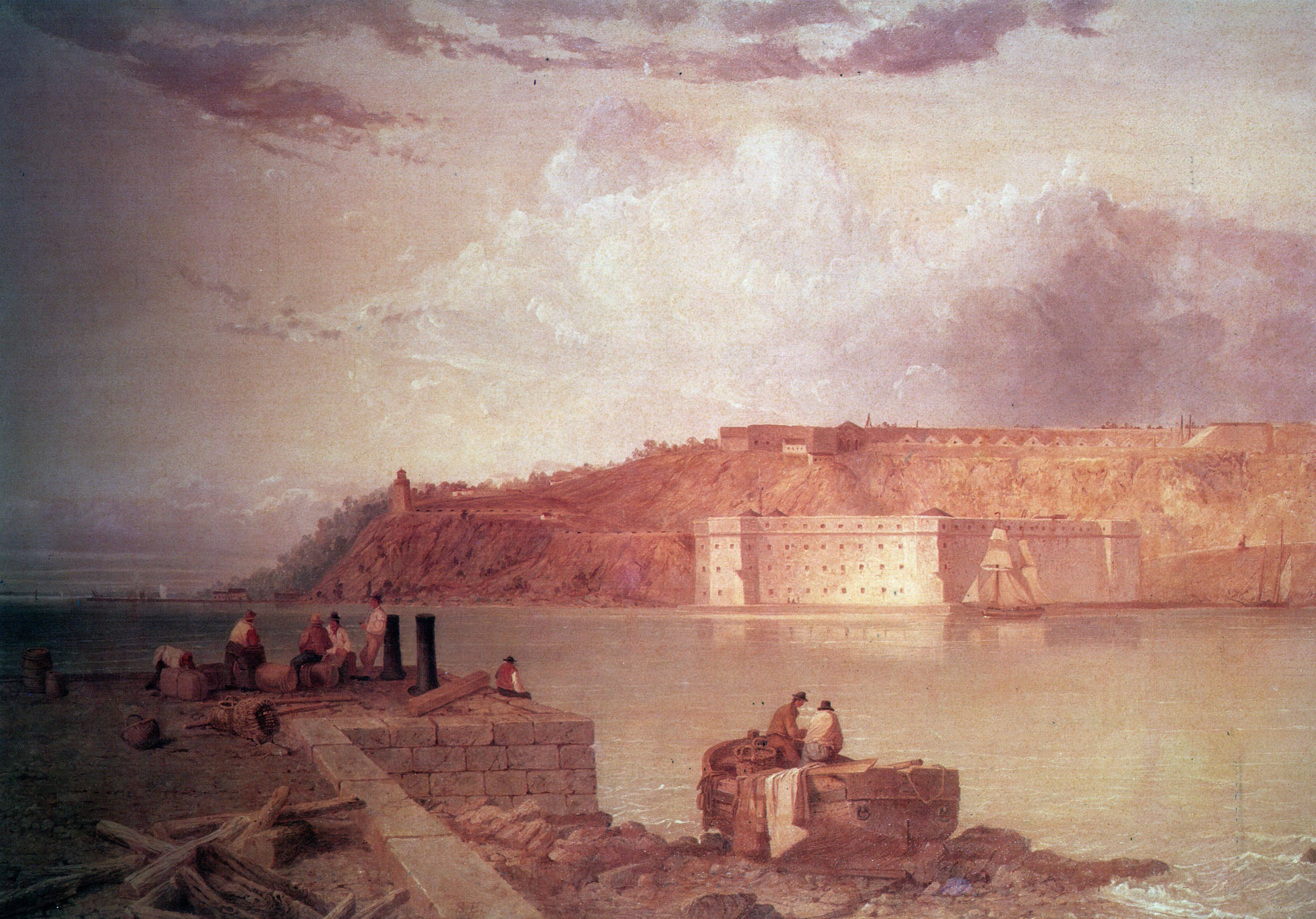
People are often surprised about how much Civil War history took place in New York City. Yes, with the major exception of the 1863 draft riots there was no fighting here, but the municipality was integral to the Union war effort on a number of political and economic levels. One should actually say municipalities, as Brooklyn was an independent city until 1898. If you look closely and know what you are looking at, you can see Brooklyn’s one-time independence reflected within the language of the many plaques and monuments sprinkled throughout our fine borough. Even militarily New York City was important, what with Governors Island, Fort Lafayette, the harbor defenses, and the Brooklyn Navy Yard right here. New York City was crucial to putting down the Rebellion. It was to Governors Island, for instance, that Major Anderson sailed after surrendering Fort Sumter. New York was important in the postwar period also. The Grants called New York City home after leaving the White House, and are buried there. The widowed Varina Davis moved to Manhattan, where she was active in political and social life until her death in 1906. And they are just a few names I am coming up with off the top of my head. One of my projects this winter is to create my own catalog of Civil War-related things to see and do in the five boroughs and beyond. Look for it soon. In the meantime here is a short list from NYCGO.

(painting by Seth Eastman, U.S. Army Center for Military History)

← Older posts
Newer posts →

Enter your email address to subscribe to this blog and receive notifications of new posts by email.

Join 258 other subscribers

Categories

Archives

  • November 2023 (1)
  • October 2023 (3)
  • September 2023 (3)
  • August 2023 (4)
  • July 2023 (7)
  • June 2023 (10)
  • May 2023 (8)
  • April 2023 (6)
  • March 2023 (5)
  • February 2023 (4)
  • January 2023 (4)
  • December 2022 (4)
  • November 2022 (8)
  • October 2022 (2)
  • September 2022 (4)
  • June 2022 (1)
  • May 2022 (1)
  • April 2022 (13)
  • January 2022 (1)
  • December 2021 (2)
  • November 2021 (1)
  • October 2021 (3)
  • September 2021 (3)
  • August 2021 (5)
  • July 2021 (1)
  • June 2021 (1)
  • May 2021 (4)
  • April 2021 (3)
  • March 2021 (4)
  • February 2021 (7)
  • January 2021 (4)
  • December 2020 (4)
  • November 2020 (3)
  • October 2020 (4)
  • September 2020 (7)
  • August 2020 (5)
  • July 2020 (7)
  • June 2020 (11)
  • May 2020 (7)
  • April 2020 (9)
  • March 2020 (9)
  • February 2020 (7)
  • January 2020 (6)
  • December 2019 (7)
  • November 2019 (9)
  • October 2019 (4)
  • September 2019 (6)
  • August 2019 (10)
  • July 2019 (8)
  • June 2019 (6)
  • May 2019 (9)
  • April 2019 (8)
  • March 2019 (6)
  • February 2019 (8)
  • January 2019 (5)
  • December 2018 (10)
  • November 2018 (6)
  • October 2018 (9)
  • September 2018 (11)
  • August 2018 (11)
  • July 2018 (17)
  • June 2018 (10)
  • May 2018 (8)
  • April 2018 (9)
  • March 2018 (8)
  • February 2018 (5)
  • January 2018 (7)
  • December 2017 (11)
  • November 2017 (8)
  • October 2017 (9)
  • September 2017 (11)
  • August 2017 (12)
  • July 2017 (14)
  • June 2017 (18)
  • May 2017 (11)
  • April 2017 (10)
  • March 2017 (9)
  • February 2017 (11)
  • January 2017 (14)
  • December 2016 (7)
  • November 2016 (8)
  • October 2016 (8)
  • September 2016 (9)
  • August 2016 (6)
  • July 2016 (12)
  • June 2016 (8)
  • May 2016 (9)
  • April 2016 (6)
  • March 2016 (12)
  • February 2016 (10)
  • January 2016 (9)
  • December 2015 (9)
  • November 2015 (11)
  • October 2015 (8)
  • September 2015 (9)
  • August 2015 (13)
  • July 2015 (14)
  • June 2015 (11)
  • May 2015 (11)
  • April 2015 (18)
  • March 2015 (10)
  • February 2015 (8)
  • January 2015 (8)
  • December 2014 (12)
  • November 2014 (13)
  • October 2014 (16)
  • September 2014 (11)
  • August 2014 (16)
  • July 2014 (12)
  • June 2014 (13)
  • May 2014 (10)
  • April 2014 (10)
  • March 2014 (11)
  • February 2014 (12)
  • January 2014 (10)
  • December 2013 (11)
  • November 2013 (14)
  • October 2013 (14)
  • September 2013 (14)
  • August 2013 (13)
  • July 2013 (17)
  • June 2013 (9)
  • May 2013 (13)
  • April 2013 (13)
  • March 2013 (16)
  • February 2013 (15)
  • January 2013 (15)
  • December 2012 (18)
  • November 2012 (18)
  • October 2012 (21)
  • September 2012 (14)
  • August 2012 (16)
  • July 2012 (21)
  • June 2012 (22)
  • May 2012 (24)
  • April 2012 (20)
  • March 2012 (23)
  • February 2012 (22)
  • January 2012 (15)
  • December 2011 (23)
  • November 2011 (22)
  • October 2011 (23)
  • September 2011 (18)
  • August 2011 (19)
  • July 2011 (20)
  • June 2011 (29)
  • May 2011 (25)
  • April 2011 (18)
  • March 2011 (21)
  • February 2011 (11)

Meta

  • Create account
  • Log in
  • Entries feed
  • Comments feed
  • WordPress.com
Creative Commons License
This work is licensed under a Creative Commons Attribution-NonCommercial-ShareAlike 4.0 International License.

Enter your email address to subscribe to this blog and receive notifications of new posts by email.

Join 258 other subscribers

Categories

Archives

  • November 2023 (1)
  • October 2023 (3)
  • September 2023 (3)
  • August 2023 (4)
  • July 2023 (7)
  • June 2023 (10)
  • May 2023 (8)
  • April 2023 (6)
  • March 2023 (5)
  • February 2023 (4)
  • January 2023 (4)
  • December 2022 (4)
  • November 2022 (8)
  • October 2022 (2)
  • September 2022 (4)
  • June 2022 (1)
  • May 2022 (1)
  • April 2022 (13)
  • January 2022 (1)
  • December 2021 (2)
  • November 2021 (1)
  • October 2021 (3)
  • September 2021 (3)
  • August 2021 (5)
  • July 2021 (1)
  • June 2021 (1)
  • May 2021 (4)
  • April 2021 (3)
  • March 2021 (4)
  • February 2021 (7)
  • January 2021 (4)
  • December 2020 (4)
  • November 2020 (3)
  • October 2020 (4)
  • September 2020 (7)
  • August 2020 (5)
  • July 2020 (7)
  • June 2020 (11)
  • May 2020 (7)
  • April 2020 (9)
  • March 2020 (9)
  • February 2020 (7)
  • January 2020 (6)
  • December 2019 (7)
  • November 2019 (9)
  • October 2019 (4)
  • September 2019 (6)
  • August 2019 (10)
  • July 2019 (8)
  • June 2019 (6)
  • May 2019 (9)
  • April 2019 (8)
  • March 2019 (6)
  • February 2019 (8)
  • January 2019 (5)
  • December 2018 (10)
  • November 2018 (6)
  • October 2018 (9)
  • September 2018 (11)
  • August 2018 (11)
  • July 2018 (17)
  • June 2018 (10)
  • May 2018 (8)
  • April 2018 (9)
  • March 2018 (8)
  • February 2018 (5)
  • January 2018 (7)
  • December 2017 (11)
  • November 2017 (8)
  • October 2017 (9)
  • September 2017 (11)
  • August 2017 (12)
  • July 2017 (14)
  • June 2017 (18)
  • May 2017 (11)
  • April 2017 (10)
  • March 2017 (9)
  • February 2017 (11)
  • January 2017 (14)
  • December 2016 (7)
  • November 2016 (8)
  • October 2016 (8)
  • September 2016 (9)
  • August 2016 (6)
  • July 2016 (12)
  • June 2016 (8)
  • May 2016 (9)
  • April 2016 (6)
  • March 2016 (12)
  • February 2016 (10)
  • January 2016 (9)
  • December 2015 (9)
  • November 2015 (11)
  • October 2015 (8)
  • September 2015 (9)
  • August 2015 (13)
  • July 2015 (14)
  • June 2015 (11)
  • May 2015 (11)
  • April 2015 (18)
  • March 2015 (10)
  • February 2015 (8)
  • January 2015 (8)
  • December 2014 (12)
  • November 2014 (13)
  • October 2014 (16)
  • September 2014 (11)
  • August 2014 (16)
  • July 2014 (12)
  • June 2014 (13)
  • May 2014 (10)
  • April 2014 (10)
  • March 2014 (11)
  • February 2014 (12)
  • January 2014 (10)
  • December 2013 (11)
  • November 2013 (14)
  • October 2013 (14)
  • September 2013 (14)
  • August 2013 (13)
  • July 2013 (17)
  • June 2013 (9)
  • May 2013 (13)
  • April 2013 (13)
  • March 2013 (16)
  • February 2013 (15)
  • January 2013 (15)
  • December 2012 (18)
  • November 2012 (18)
  • October 2012 (21)
  • September 2012 (14)
  • August 2012 (16)
  • July 2012 (21)
  • June 2012 (22)
  • May 2012 (24)
  • April 2012 (20)
  • March 2012 (23)
  • February 2012 (22)
  • January 2012 (15)
  • December 2011 (23)
  • November 2011 (22)
  • October 2011 (23)
  • September 2011 (18)
  • August 2011 (19)
  • July 2011 (20)
  • June 2011 (29)
  • May 2011 (25)
  • April 2011 (18)
  • March 2011 (21)
  • February 2011 (11)

Meta

  • Create account
  • Log in
  • Entries feed
  • Comments feed
  • WordPress.com
Creative Commons License
This work is licensed under a Creative Commons Attribution-NonCommercial-ShareAlike 4.0 International License.

Enter your email address to subscribe to this blog and receive notifications of new posts by email.

Join 258 other subscribers

Categories

Archives

  • November 2023 (1)
  • October 2023 (3)
  • September 2023 (3)
  • August 2023 (4)
  • July 2023 (7)
  • June 2023 (10)
  • May 2023 (8)
  • April 2023 (6)
  • March 2023 (5)
  • February 2023 (4)
  • January 2023 (4)
  • December 2022 (4)
  • November 2022 (8)
  • October 2022 (2)
  • September 2022 (4)
  • June 2022 (1)
  • May 2022 (1)
  • April 2022 (13)
  • January 2022 (1)
  • December 2021 (2)
  • November 2021 (1)
  • October 2021 (3)
  • September 2021 (3)
  • August 2021 (5)
  • July 2021 (1)
  • June 2021 (1)
  • May 2021 (4)
  • April 2021 (3)
  • March 2021 (4)
  • February 2021 (7)
  • January 2021 (4)
  • December 2020 (4)
  • November 2020 (3)
  • October 2020 (4)
  • September 2020 (7)
  • August 2020 (5)
  • July 2020 (7)
  • June 2020 (11)
  • May 2020 (7)
  • April 2020 (9)
  • March 2020 (9)
  • February 2020 (7)
  • January 2020 (6)
  • December 2019 (7)
  • November 2019 (9)
  • October 2019 (4)
  • September 2019 (6)
  • August 2019 (10)
  • July 2019 (8)
  • June 2019 (6)
  • May 2019 (9)
  • April 2019 (8)
  • March 2019 (6)
  • February 2019 (8)
  • January 2019 (5)
  • December 2018 (10)
  • November 2018 (6)
  • October 2018 (9)
  • September 2018 (11)
  • August 2018 (11)
  • July 2018 (17)
  • June 2018 (10)
  • May 2018 (8)
  • April 2018 (9)
  • March 2018 (8)
  • February 2018 (5)
  • January 2018 (7)
  • December 2017 (11)
  • November 2017 (8)
  • October 2017 (9)
  • September 2017 (11)
  • August 2017 (12)
  • July 2017 (14)
  • June 2017 (18)
  • May 2017 (11)
  • April 2017 (10)
  • March 2017 (9)
  • February 2017 (11)
  • January 2017 (14)
  • December 2016 (7)
  • November 2016 (8)
  • October 2016 (8)
  • September 2016 (9)
  • August 2016 (6)
  • July 2016 (12)
  • June 2016 (8)
  • May 2016 (9)
  • April 2016 (6)
  • March 2016 (12)
  • February 2016 (10)
  • January 2016 (9)
  • December 2015 (9)
  • November 2015 (11)
  • October 2015 (8)
  • September 2015 (9)
  • August 2015 (13)
  • July 2015 (14)
  • June 2015 (11)
  • May 2015 (11)
  • April 2015 (18)
  • March 2015 (10)
  • February 2015 (8)
  • January 2015 (8)
  • December 2014 (12)
  • November 2014 (13)
  • October 2014 (16)
  • September 2014 (11)
  • August 2014 (16)
  • July 2014 (12)
  • June 2014 (13)
  • May 2014 (10)
  • April 2014 (10)
  • March 2014 (11)
  • February 2014 (12)
  • January 2014 (10)
  • December 2013 (11)
  • November 2013 (14)
  • October 2013 (14)
  • September 2013 (14)
  • August 2013 (13)
  • July 2013 (17)
  • June 2013 (9)
  • May 2013 (13)
  • April 2013 (13)
  • March 2013 (16)
  • February 2013 (15)
  • January 2013 (15)
  • December 2012 (18)
  • November 2012 (18)
  • October 2012 (21)
  • September 2012 (14)
  • August 2012 (16)
  • July 2012 (21)
  • June 2012 (22)
  • May 2012 (24)
  • April 2012 (20)
  • March 2012 (23)
  • February 2012 (22)
  • January 2012 (15)
  • December 2011 (23)
  • November 2011 (22)
  • October 2011 (23)
  • September 2011 (18)
  • August 2011 (19)
  • July 2011 (20)
  • June 2011 (29)
  • May 2011 (25)
  • April 2011 (18)
  • March 2011 (21)
  • February 2011 (11)

Meta

  • Create account
  • Log in
  • Entries feed
  • Comments feed
  • WordPress.com
Creative Commons License
This work is licensed under a Creative Commons Attribution-NonCommercial-ShareAlike 4.0 International License.

Blog at WordPress.com.

  • Subscribe Subscribed
    • The Strawfoot
    • Join 229 other subscribers
    • Already have a WordPress.com account? Log in now.
    • The Strawfoot
    • Subscribe Subscribed
    • Sign up
    • Log in
    • Report this content
    • View site in Reader
    • Manage subscriptions
    • Collapse this bar
 

Loading Comments...