The was the John Quincy Adams Ward statue of Henry Ward Beecher as it was late this afternoon. With Super Bowl 48 now in the books we can look forward to pitchers and catchers reporting in a few weeks. Can spring be far behind?


03 Monday Feb 2014
Posted in Uncategorized
≈ Comments Off on Beecher standing sentinel
The was the John Quincy Adams Ward statue of Henry Ward Beecher as it was late this afternoon. With Super Bowl 48 now in the books we can look forward to pitchers and catchers reporting in a few weeks. Can spring be far behind?
02 Sunday Feb 2014
Posted in Uncategorized
≈ Comments Off on You never know what you’ll find at the library.
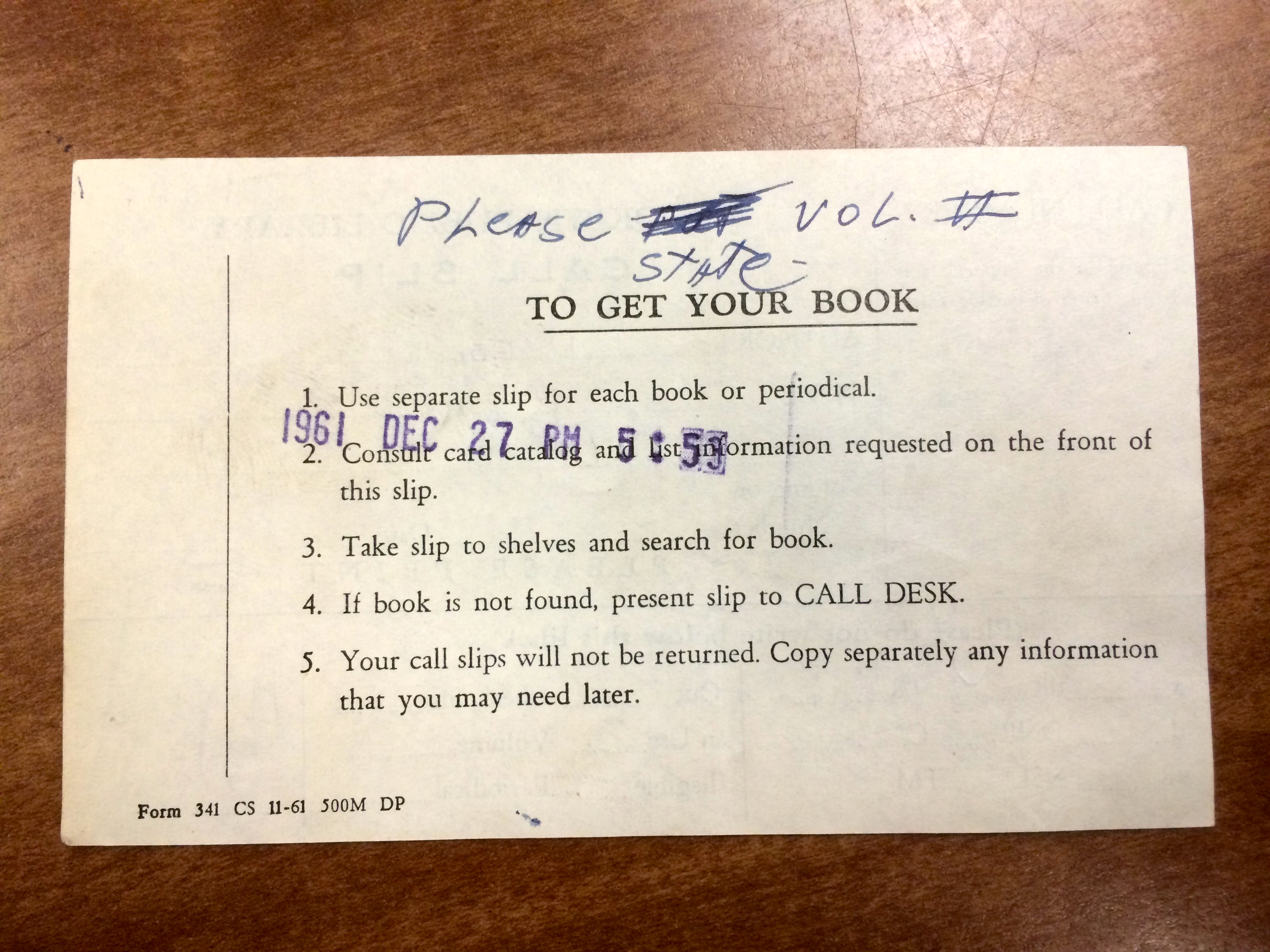
I was working at the public library today. One of the books I was using was an old tome published just after the Civil War. When I opened it, out fell this call slip from someone who had requested the book in December 1961.
15 Wednesday Jan 2014
Posted in Joseph Roswell Hawley, Theodore Roosevelt Birthplace (NPS), Uncategorized, Washington, D.C.
≈ Comments Off on DC doings
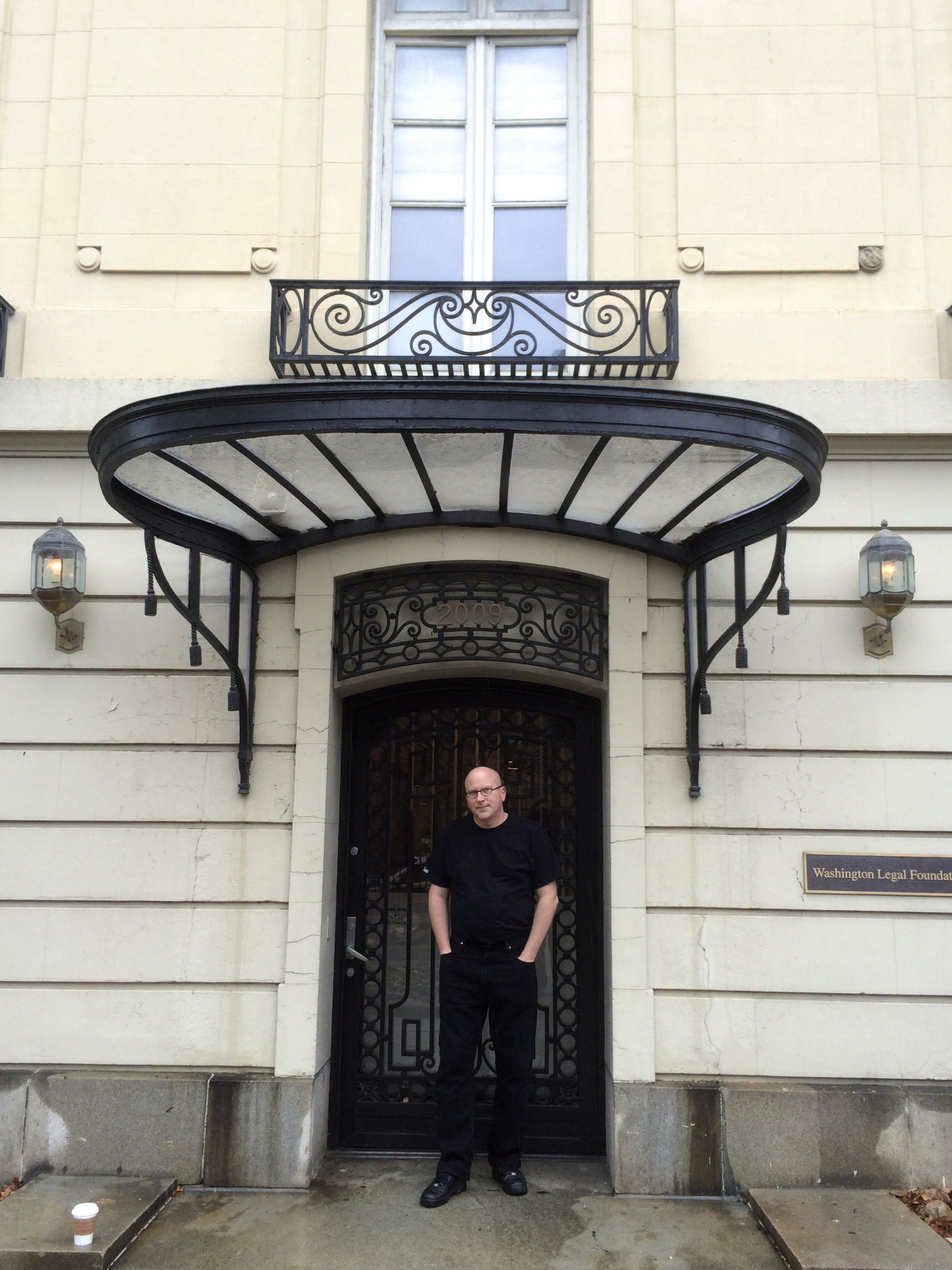
The entranceway of Alice Roosevelt Longworth’s Dupont Circle house
I am sorry for the lack of posts this week, but I have been busy. I am in Washington doing research at the Library of Congress for my Joseph Hawley book. The Hayfoot and I have also been hitting some Theodore Roosevelt-related sites. They have not been posted yet, but I am writing a series of posts for the Roosevelt Birthplace Facebook page about various Roosevelt-in-Washington places. Look for those later this week on the TRB Facebook page.
We intentionally chose three in the Dupont Circle area to make it easier logistically. When we visited Alice Roosevelt Longworth’s house (2009 Massachusetts Avenue, NW), a dour lady from the Washington Legal Foundation, the site’s current occupant, told us it is not a public space and shut the door in our faces. Oh well. We had a good laugh about it.

My table at the Library of Congress
The book is very much in the nascent stages but it is finally starting to gel. Looking at reels and reels of microfilm is exhausting but the hardest part was realizing the scope and tome of the book. I had that epiphany the other night and when I did the load got a lot lighter. I guess the whole thing from start to finish will be a process with forward and backward steps. It is amazing what can happen when you just start.
Working on this book project and writing content for the TRB website, along with my volunteering duties at the site, are going to be my intellectual pursuits for 2014. Despite a few crises of confidence it has been so far so good.
04 Saturday Jan 2014
Posted in Uncategorized
≈ Comments Off on Greetings from the Frozen Apple
 I got back from Florida late last night, about seven hours overdue. All told, I was one of the lucky ones. Yesterday I dealt with the avalanche of snow; today I am dealing with the avalanche of emails found in my in-box. One thing that caught my eye was this piece from the Washington Post about the new Senior Historian at the National Portrait Gallery, David Ward. The NPG is one our country’s great treasures. I love the part at the beginning where he talks about Theodore Roosevelt and the 1913 Armory Show. Roosevelt the Connoisseur is something I wrote about in late November. It is a prominent theme in my Interp at the Birthplace. When I am in Washington later this month I am going to see if they indeed changed the signage next to the sketch of the Colonel.
I am looking forward to getting back into the swing of things.
(image by Charles Dana Gibson/NPG)
25 Wednesday Dec 2013
Posted in Uncategorized
17 Sunday Nov 2013
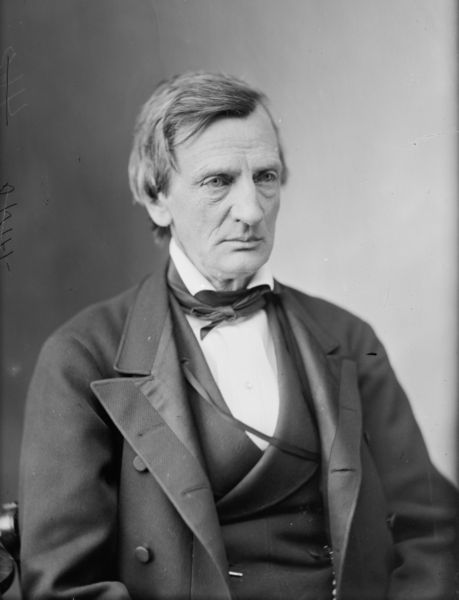
William M. Evarts, 1818-1901
Earlier in the week an obituary for a William M. Evarts Jr. caught my eye. For those who may not know–and it is entirely understandable why one would not–the “original” William M. Evarts was an attorney and political figure from the nineteenth century. Among other things, he was part of Andrew Johnson’s defense team during the president’s impeachment trial. Evarts also represented the United States in its lawsuit against Great Britain when the U.S. was seeking damages over the Alabama incident during the Civil War. Theodore Roosevelt’s uncle, James Bulloch, had been one of the Confederate agents conspiring with the British. Later, Evarts represented Rutherford B. Hayes during the electoral dispute that followed the 1876 presidential race. Hayes would later appoint him Secretary of State. So, you could imagine my surprise when I was that a William M. Evarts Jr. died this week.
A cursory search revealed that this was not the statesman’s son. Evarts died in 1901; Evarts Jr. was born in the 1920s. My curiosity piqued, I went to Ancestry to see what I might find. I do not know how the “Junior” thing works. Maybe you are not a junior if you share your father’s first, but not middle, name? It turns out the man who passed on this week was the great-grandson of the statesman mentioned above. There was the original William Evarts, whose son was Prescott. Next, in the 1880s, came the second William Evarts, who evevtually begat William Maxwell Evarts, Junior.
It seems Evarts led a full and productive life of fun and service. Here he is in the Harvard yearbook, standing next to a Julian K. Roosevelt no less.
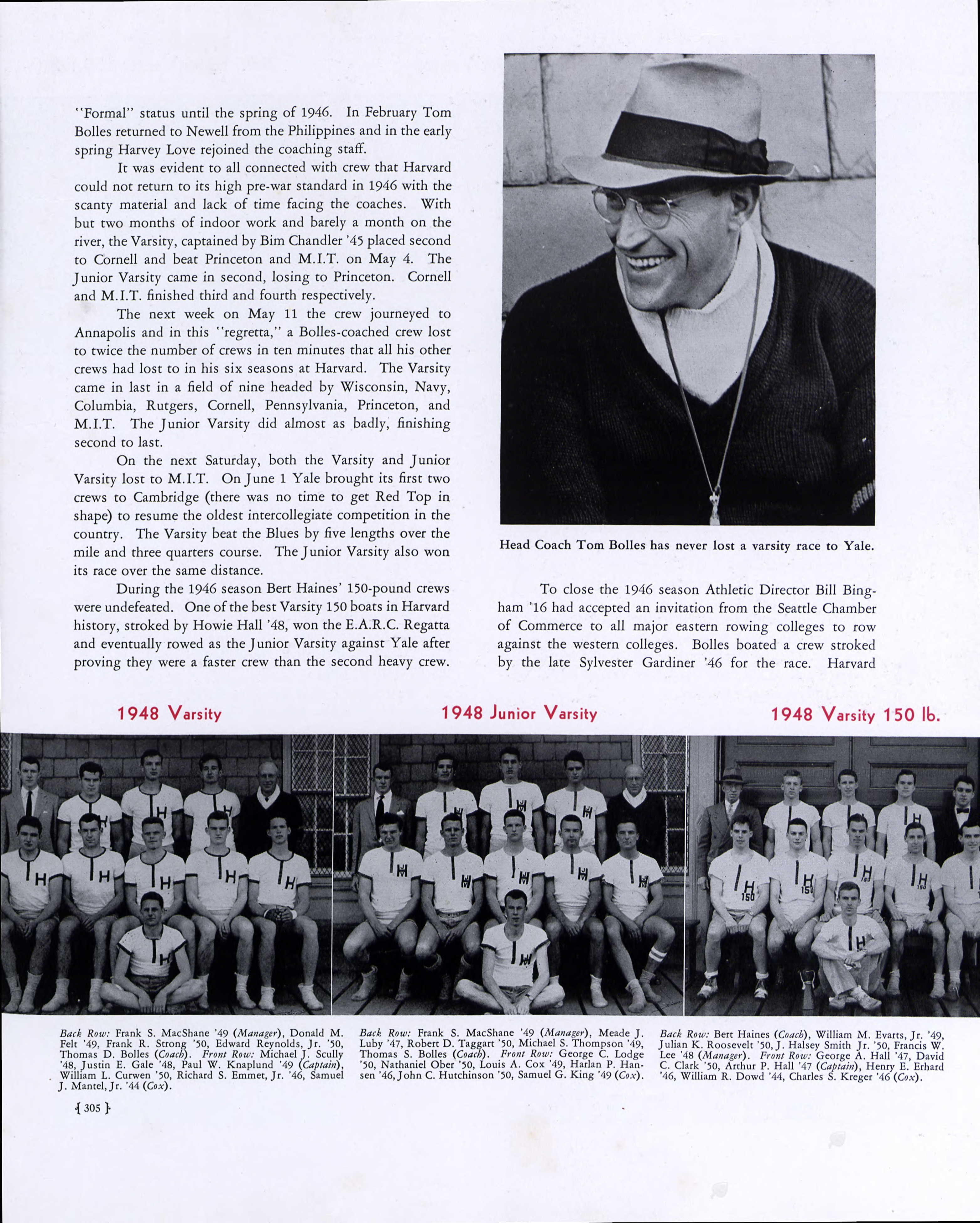
William M. Evarts Jr. and Julian K. Roosevelt: Harvard crew team, 1948 Varsity 150 pounds
Evarts played hockey as well.

Harvard hockey team, 1946-1947
Evarts Jr. was married to his wife for sixty-five years.
26 Saturday Oct 2013
Posted in Uncategorized
≈ Comments Off on Old soldiers never die
Longtime readers of The Strawfoot know that I have a special interest in aging veterans. As I have pointed out before, what is so fascinating about them is that, pretty much by definition, the last ones remaining were the ones most ordinary during the conflict. The last soldier of the Great War died a few years ago to great fanfare. Now, we are seeing the process play of again with WW2 vets, a phenomenon that will become even more pronounced in the next few years as their numbers dwindle into the single digits. Just recently we saw them being cynically used as symbols on the National Mall during the shutdown.
Last night I finished Richard A. Serrano’s just-released Last of the Blue and Gray. Serrano tells the tale of the last few dozen or so Civil War soldiers and how they became living monuments during the Cold War and Civil Rights Movement. Many of these aged men, just young boys between ’61-’65, had only the most tenuous of military careers. Typically, they had been drummer boys or, if a bit older, foragers for a few months during the Civil War. I don’t think I understood the level of fraud involved in many of these cases until reading the book. Many “soldiers” had never seen service at all but were now so old that they had come to believe the tall tales they had spun on courtyard squares and back porches for decades to eager audiences. Others intentionally faked it to receive a pension during the hardscrabble years of the Great Depression. Whatever the circumstances of each case, the American public was naturally eager for that human connection to the past. So much so, that many people chose not to believe the news when a case proved to be fraudulent.
In the 1940s and 50s each Civil War soldier’s death was bigger news than the one that came before until, finally, the last one remaining was Walter Williams of Texas. When he passed on in December 1959 the nation took note. His body lay in state in Houston for two days. The White House issued an official proclamation. The only problem was, Williams had never served in the Confederate Army as he had claimed. Serrano does a great job explaining the hows and why of this fascinating and quite human story that took place not that long ago.
18 Friday Oct 2013
Posted in Libraries, Uncategorized
≈ Comments Off on The restoration of Richard Theodore Greener, update
A year and a half ago I wrote the post below about the rediscovery of some of the effects of Richard T. Greener. There was great interest and speculation about where these things would end up. Appropriately, they have returned to the University of South Carolina. Find a half hour over the weekend to watch the ceremony that took place earlier this week.
Further update: This was a more complicated story than I first realized. Boston Magazine has more on the story, including a threat to burn the documents. Crazy.
(Hat tip David Jensen)
I have written before of my appreciation for the recovery of Long Lost Items. The stories are exciting precisely because of their unexpectedness. You are reading the newspaper one day and learn, for instance, that a WW2 German U-boat has been discovered off the coast of New Jersey, as actually happened about a decade ago. The other day a friend forwarded me this piece about the discovery of a cache of personal effects once belonging to Richard T. Greener. That many readers might not know who Greener was is unfortunate, because he was very much the equal of Frederick Douglass, Booker T. Washington, and even W.E.B DuBois. Greener was the first African American graduate of Harvard College, entering that institution in September 1865 as a member of the first class to enroll after the Civil War’s end that April. In the early 1870s Greener was the principal of the Male Department in the Philadelphia Institute for Colored Youth. He soon took a similar post at a school in Washington DC. Eventually Greener earned his law degree from the University of South Carolina. While studying there he traveled through the heart of the fire eating Palmetto State preaching the gospel of racial equality, often under considerable threat of violence. Wisely, Greener left South Carolina as Reconstruction was ending. He moved back to Washington where he served as Dean of Howard University’s Law School, but left after a few years to open his own highly successful practice on T Street. Greener was a Republican and a close friend of U.S. Grant’s. He was secretary of the Grant Monument Association and was thus largely responsible for the creation of Grant’s Tomb. He even procured funds from African nations such as Sierra Leone for this endeavor. Later he served in India, China, and Russia in the McKinley and Roosevelt Administrations. (It is always surprising to read/hear of Americans serving in such far flung regions in the nineteenth century.)
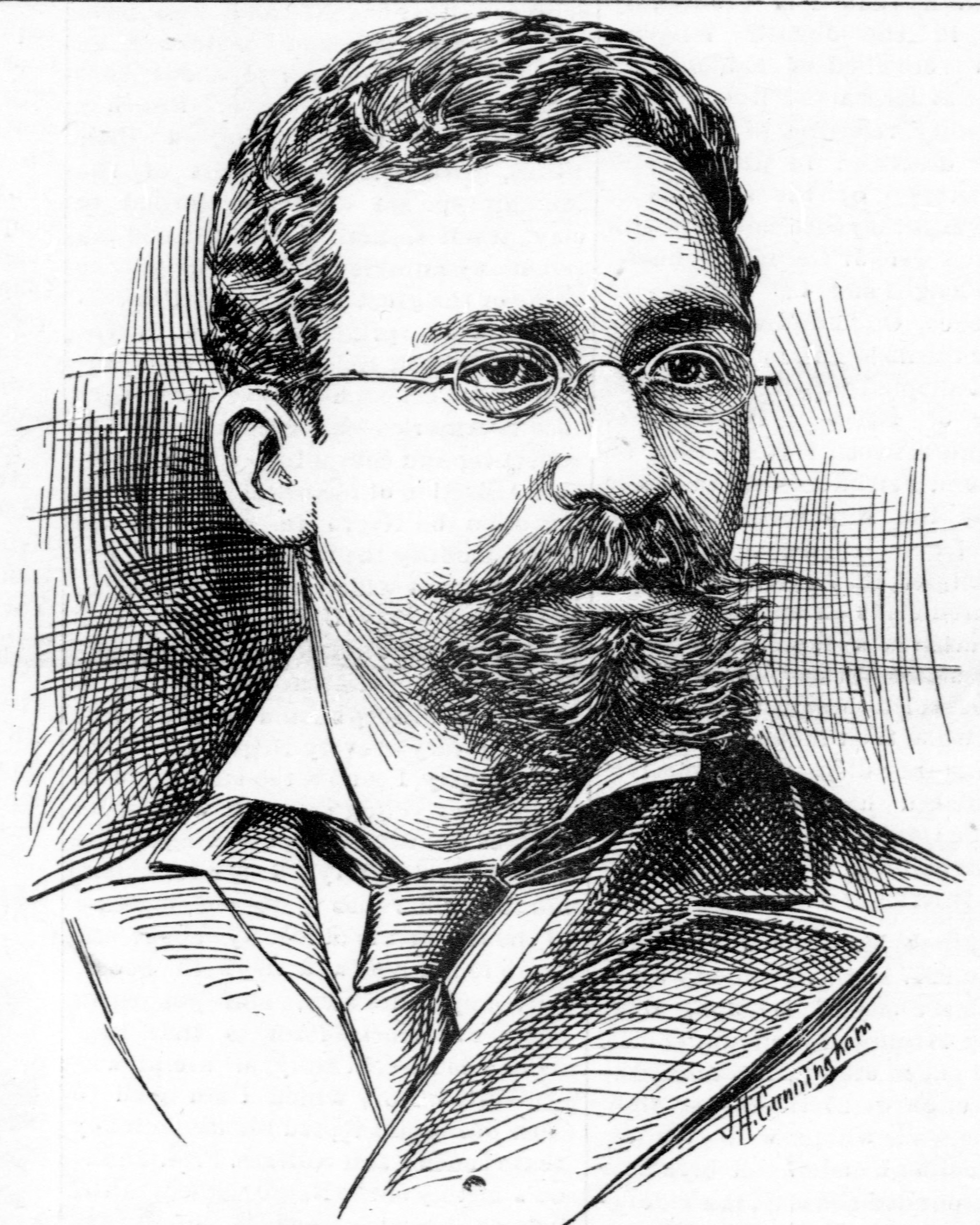 Richard T. Greener
In the earlier twenthieth century Greener had fallen into obscurity, eventually moving to Chicago. That so few know who Richard T. Greener is today is partly because his family was not there to protect his legacy. Many had changed their name to Greene and lived their lives passing in White America. Greener died in 1922.
The documents that came to light the other day were found in a derelict house in a rough neighborhood on Chicago’s South Side. A construction worker found them in a trunk in 2009 and saved them by stuffing them in a paper bag. Included are Greener’s Harvard diploma and his personal correspondence with President Grant. How these items came to be found in a derelict home open to drug addicts is one of the story’s great mysteries. Time will tell where these items will eventually settle. Wherever they do end up, we can only hope they restore Greener to his rightful place in the pantheon of Great Americans.
(image/J.H. Cunningham for The Colored American)
06 Sunday Oct 2013
Posted in Uncategorized
≈ Comments Off on Sunday morning coffee
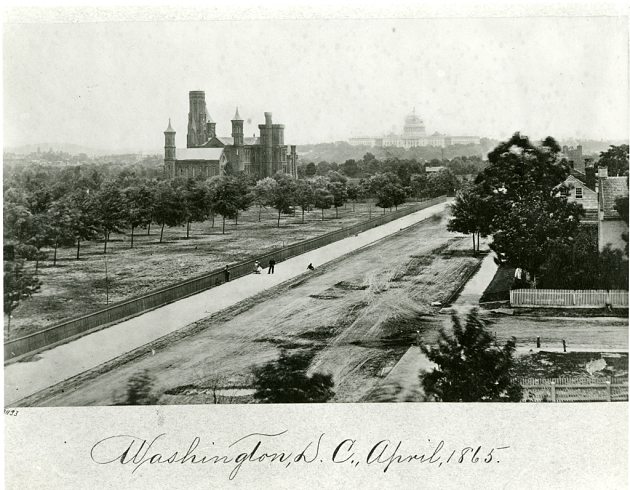
The Castle during the Civil War: This photograph is mislabeled April 1865 but probably dates to 1863, before the fire
I am sitting here listening to The Statesmen Quartet, the Memphis vocal group that exerted tremendous on the young and impressionable Elvis. It is great Sunday morning music.
Earlier in the week I received in the mail a publisher’s advanced copy of Smithsonian Civil War: Inside the National Collection and have been enjoying it very much. What I like the most about the Smithsonian Institution is its interdisciplinary approach to its collections and museums. It covers out national heritage from different perspectives—scientific, historic, artistic, cultural, and so on. Since the start of the Sesquicentennial I have visited numerous Civil War-related exhibits at different Smithsonian museums; each one had a different shift of emphasis and added to my understanding of the war. This book takes that approach, drawing on the resources of thirteen different Smithsonian archives and museums. Another thing I like is that the editors have kept Smithsonian itself as the central aspect of the book. Thus, we read how collecting the Civil War started as almost an afterthought and grew organically from there. Books like the recently published Lincoln’s Citadel describe the chaos, violence, and dirtiness of Washington City during the war. Like Lincoln, Smithsonian director Joseph Henry lost his son to typhoid during the war. What we now know as The Castle was partly lost to fire in January 1865. My favorite Smithsonian museum is the National Portrait Gallery, which is housed in the old Patent Office. I recognized many of the artifacts in the book from the NPG, as well as other places. Walking the halls, you half expects to encounter Walt Whitman or Clara Barton coming your way.
There is nothing like seeing the real deal, which is why we visit. In the photographs and concise essays of this new release, the Smithsonian has done a good capturing that excitement.
(image/Smithsonian Institution)
05 Saturday Oct 2013
Posted in Uncategorized
≈ Comments Off on Waiting out the shutdown

Franklin Delano Roosevelt funeral, Hyde Park , New York; April 1945
Had it not been for the Shutdown friends and I would be on Metro North right now on our way to Hyde Park. Weatherwise, it was a perfect day to visit but alas we will have to wait. I was shocked and horrified to see footage of congressmen/women blaming NPS personnel to their face for the closings on the National Mall this week. Blaming federal employees who are stuck in the middle and are trying to make the best of a difficult situation is the height of arrogance. I was glad to see these workers responding with grace and dignity.
(image/National Archives)
 The Strawfoot