“Food to match the scenery”

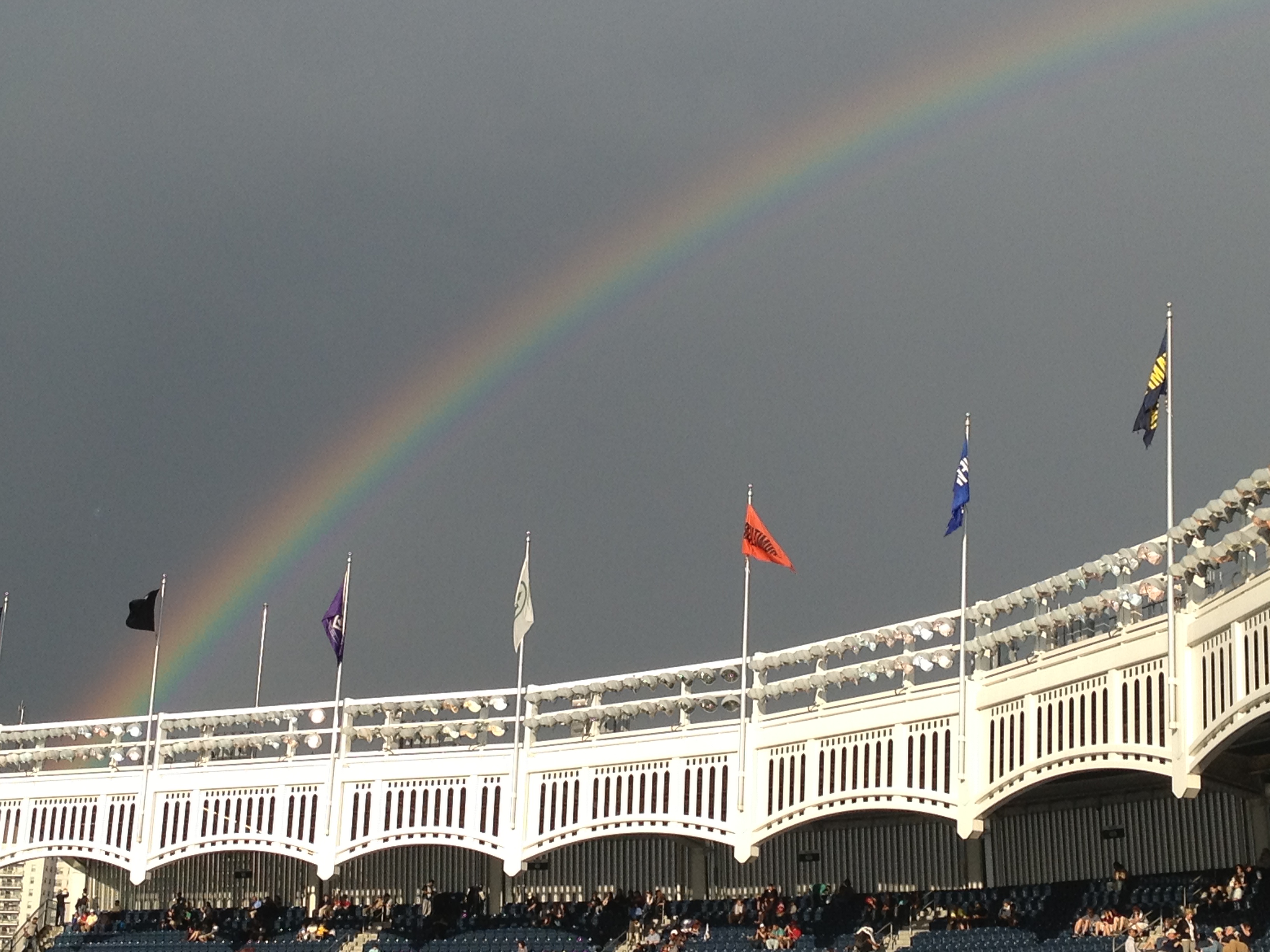
Some friends and I were at the ballgame last night and one thing I could not help noticing was the wide selection of foods available. The hot dogs, peanuts, and cracker jacks are still there at the Old Ball Game. In addition, however, are a wide range of healthier fare such as fruit, frozen yogurt, and even sushi for those looking to watch what they eat. One of the intriguing aspects of Horace Albright’s memoir The Birth of the National Park Service is his account of the Service’s relationships with the various private vendors and concessionaires. This is no small thing. Places like Yosemite, Yellowstone, and the Grand Canyon are remote; visitors, far from home, are vulnerable to the cost and quality of the fare offered. The NPS has been conscious of this from the outset and did its best to ensure quality, consistency, and fairness, for the most part succeeding. Hamburgers and fries were once enough to satisfy most of the general population. Today the organization is focusing on providing options expected by a more health conscious clientele.

June 6, 1944, redux

Today is the 68th anniversary of the Normandy Invasion. To mark the occasion I am re-posting this piece from last year:

I could not let the 67th anniversary of D-Day go unnoticed.  When I was younger this was a much bigger deal than it is today.  It is only a bit of a stretch to say that I have measured the events of my life according to the anniversaries of the Normandy invasion.  In June 1984 I was still in high school, getting ready to start my senior year at the end of the summer.  Ten years later I had graduated from college, but was unsettled and still trying to figure out what I wanted to do with my life.  By 2004 I had gone to graduate school and moved to New York City.  Now I am married and in full middle age.

The arc of D-Day presidential ceremonies, or lack thereof, paints a fascinating portrait of the postwar decades.  In 1954 President Eisenhower, the Supreme Allied Commander of the invasion a decade earlier, skipped France altogether and instead vacationed at Camp David.  His only public comment was a small proclamation about the Grand Alliance.  For the 20th anniversary Ike did record a television special with Walter Cronkite entitled D-Day Plus Twenty Years: Eisenhower Returns to Normandy.  The footage of the journalist and the retired president was filmed in August 1963 and is quite moving.  On June 6, 1964 Johnson, who had taken office only seven months earlier after the Kennedy assassination, was in New York City speaking to the Ladies Garment Workers Union.  In the waning days of Vietnam and the Nixon Administration in 1974 Americans were too tired and cynical to care about World War 2.  Reagan’s address in 1984 remains the most memorable of the anniversaries.  At Pointe du Hoc he addressed a sizable audience of veterans still young enough to travel but old enough to appreciate their own mortality.  President Clinton’s address on the beaches of Normandy during the 50th anniversary symbolized the passing of the baton from the Greatest Generation to the Baby Boomers.  In 2004 current events overshadowed the 60th anniversary and the ceremony painfully underscored tensions in the trans-Atlantic alliance.

Today only one person mentioned it to me.  Alas we have reached the tipping point where most of the veterans have either passed on or are too aged and infirm to participate in the observance.  In other words it has become part of history.  Makes me feel old and a little sad.

Creating America’s Best Idea

I am halfway through Horace Albright’s The Birth of the National Park Service: The Founding Years, 1913-1933. Albright was Assistant Director of the NPS at its founding and later served as the first superintendent of Yellowstone. In 1929 he replaced Stephen Mather as Park Service director. Each brought his own unique talents to the job and together they created the National Park Service as we know it. Albright published Birth in 1985, two years before he died at the age of 97. He seemed to have been aware since the 1910s that he and his colleagues were making history and he had copious resource material to fall back on when it came time to tell his story. Even better, because he outlived so many of the principals–we are going back here all the way to the Wilson Administration–he does not have to pull punches. He goes into detail of which congressman helped and which impeded the task of creating the various parks and monuments, and the various interests that lined up for and against the various NPS projects. Cattle grazing was a major bone of contention with ranchers whose spreads were adjacent to park lands. Mather and Albright were especially adept at marketing the new Park Service to public officials with political clout and wealthy potential donors such as John D. Rockefeller, Jr. Being early adopters, they were quick to use that new fangled machine the automobile to reach the faraway nooks and crannies of Yosemite, Yellowstone, and elsewhere. I have not gotten there yet, but Albright also into detail about how the Civil War battlefield, previously run by the War Department, came under the auspices of the Park Service through President Roosevelt’s Executive Order 6166 in 1933. Albright stepped down later that same year, but remained active inNPS-related work for the rest of his life, meeting, for instance, with President-elect Eisenhower at the Commodore Hotel in New York City in 1953. Jimmy Carter awarded him the Presidential Medal of Freedom in 1980. So many people think the National Parks, monuments, and other public spaces are “just there,” not realizing the time and forethought it has taken to preserve and protect them. Thankfully Albright took pen to paper near the end of his life to tell us his version of events.

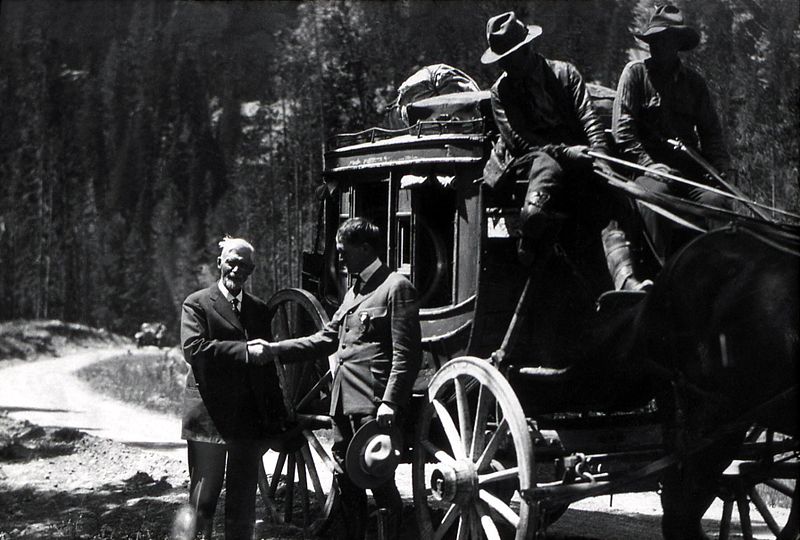
(image/Albright (hat in left hand) at the 50th anniversary of Yellowstone’s founding, 1922)

A picture perfect Saturday

It was a beautiful day at Governors Island today. Here are a few photos I took, all with my cellphone.

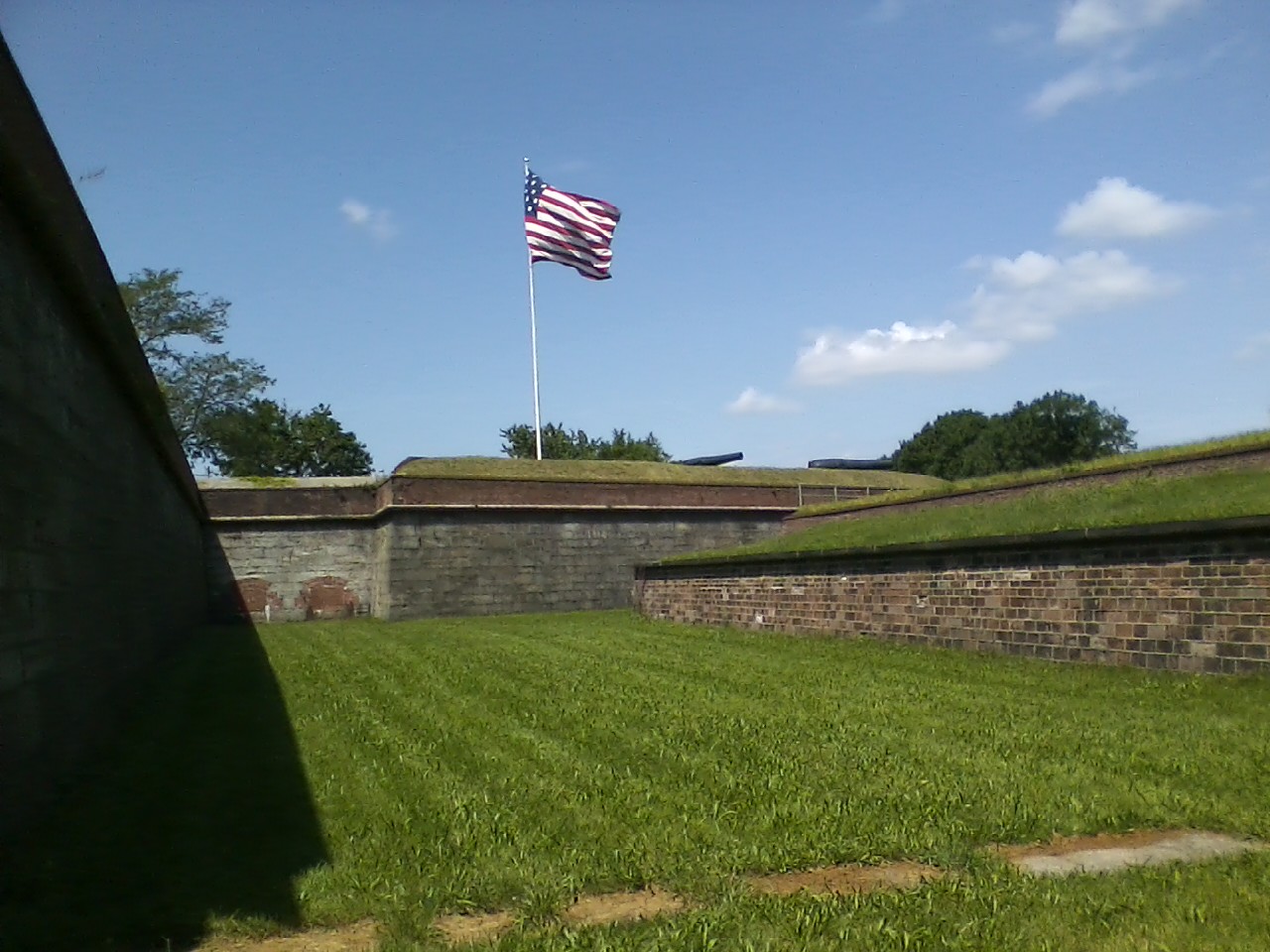
I took this from the dry moat in Fort Jay. It is classic Vauban-style fortification. I could not tell for certain, but I believe this a reproduction of the fifteen star flag in use during the War of 1812 . This would make sense given the history of the island.

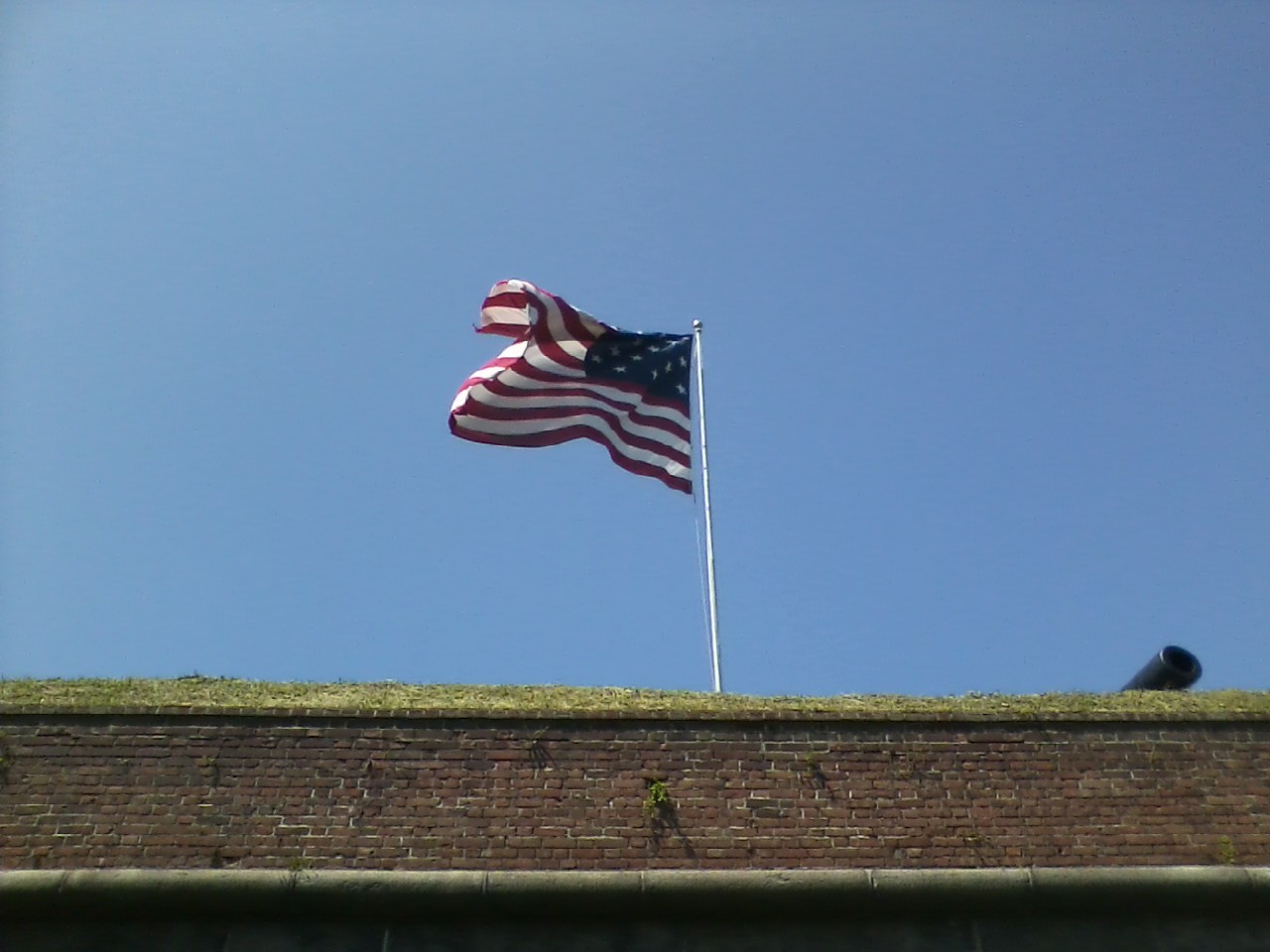
Here is a closer look. I am going to ask about this next week.

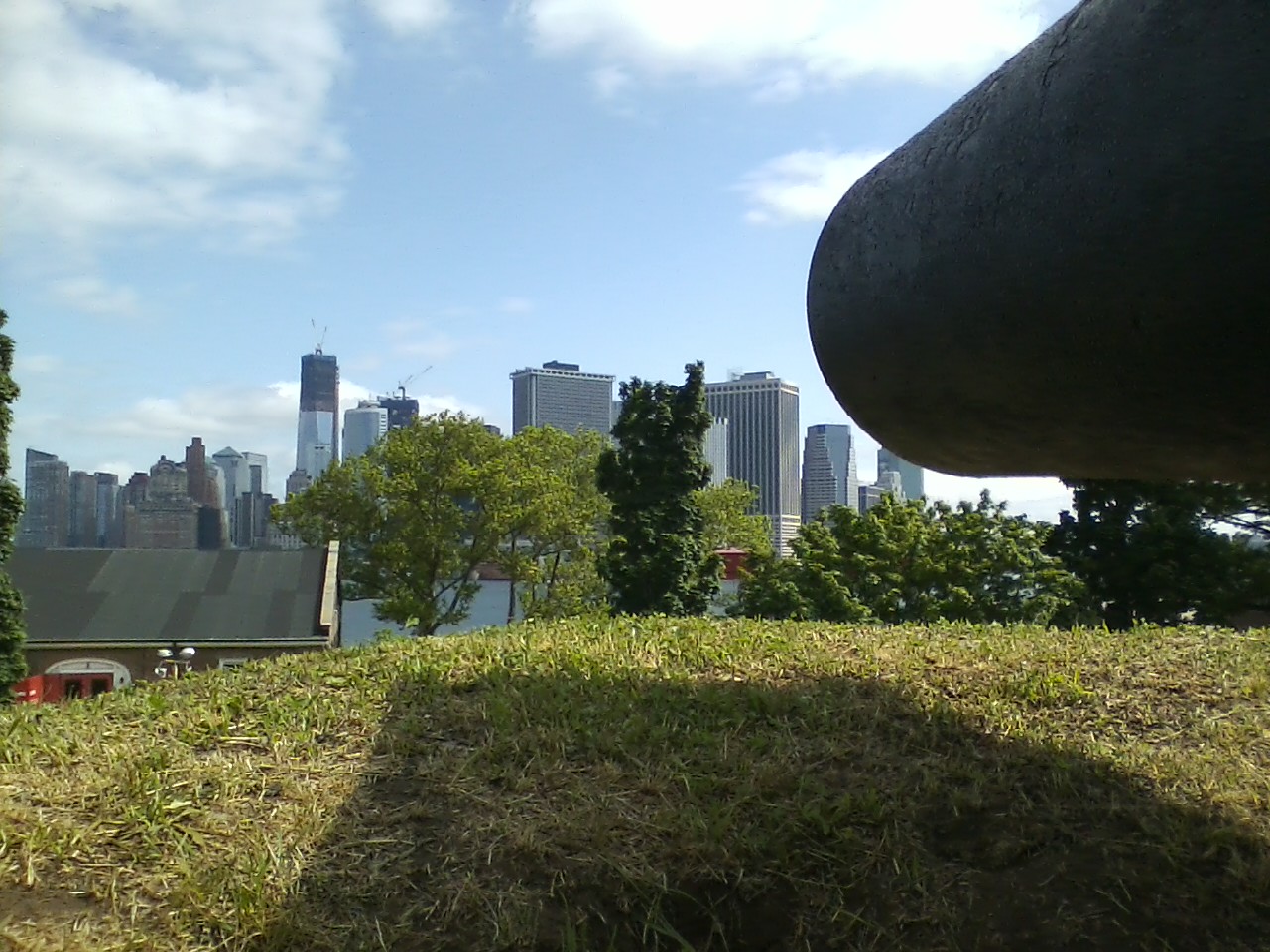
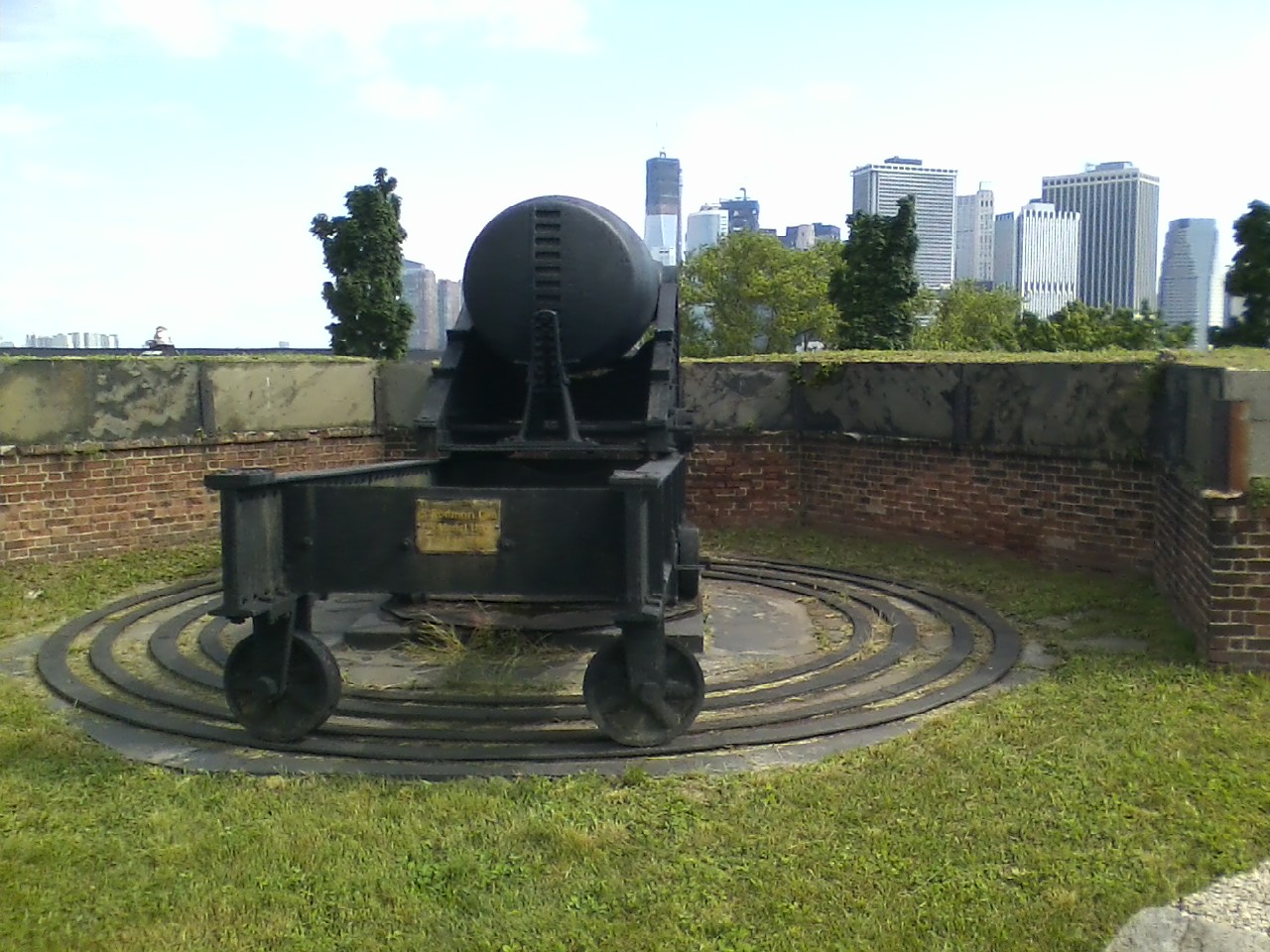
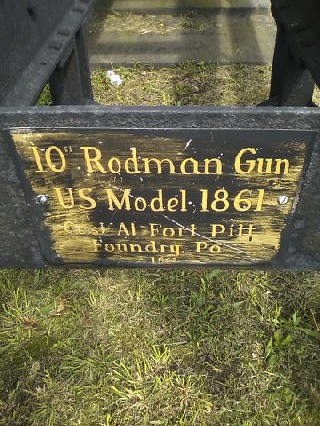
The shadow of a Rodman gun pointing at Lower Manhattan atop Fort Jay..

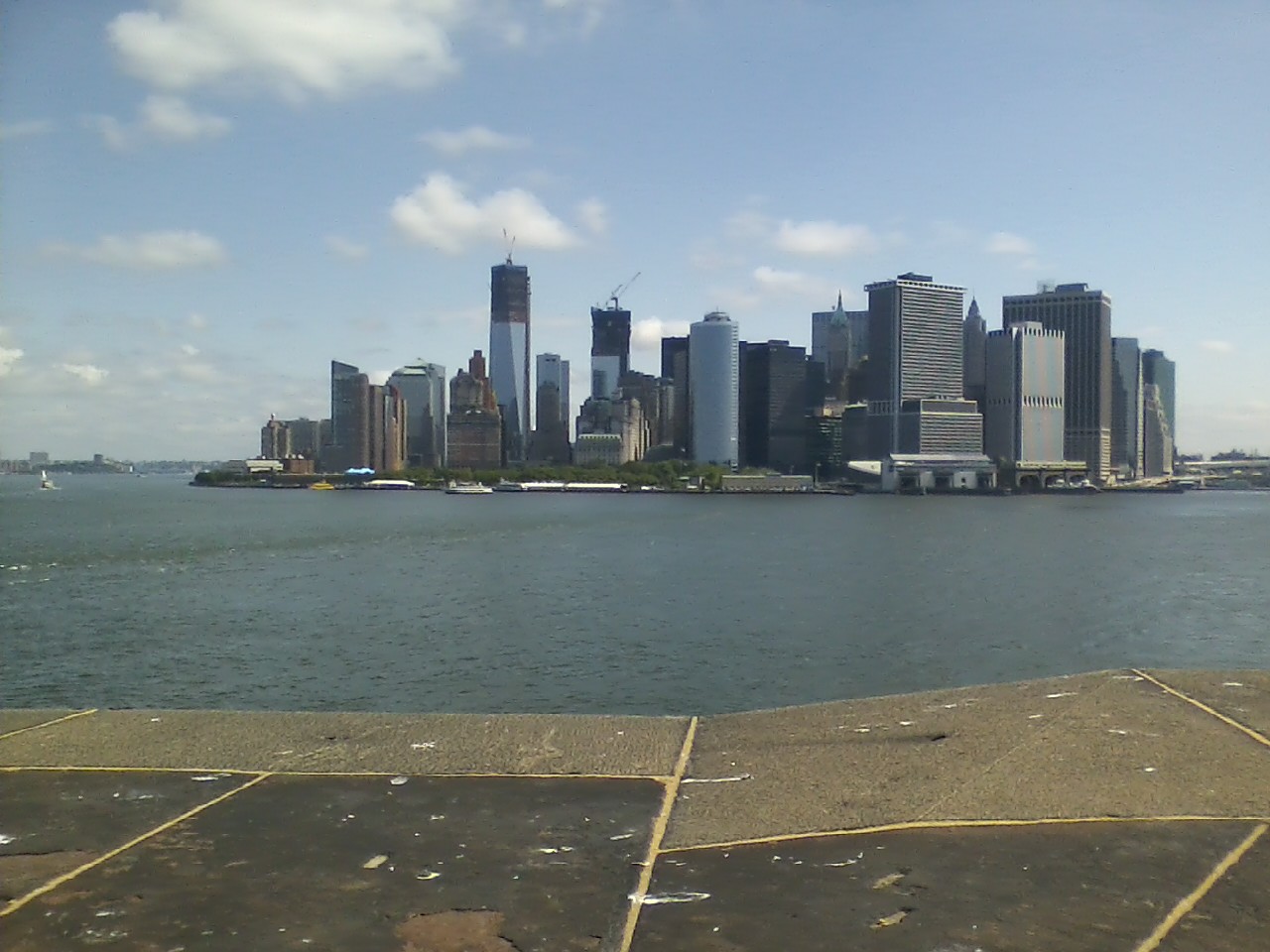
The only place better than Fort Jay to get a million dollar view of the New York City skyline is Castle Williams. The forts worked in unison with others in New York Harbor to protect the city. Note the new World Trade Center rising on the left.

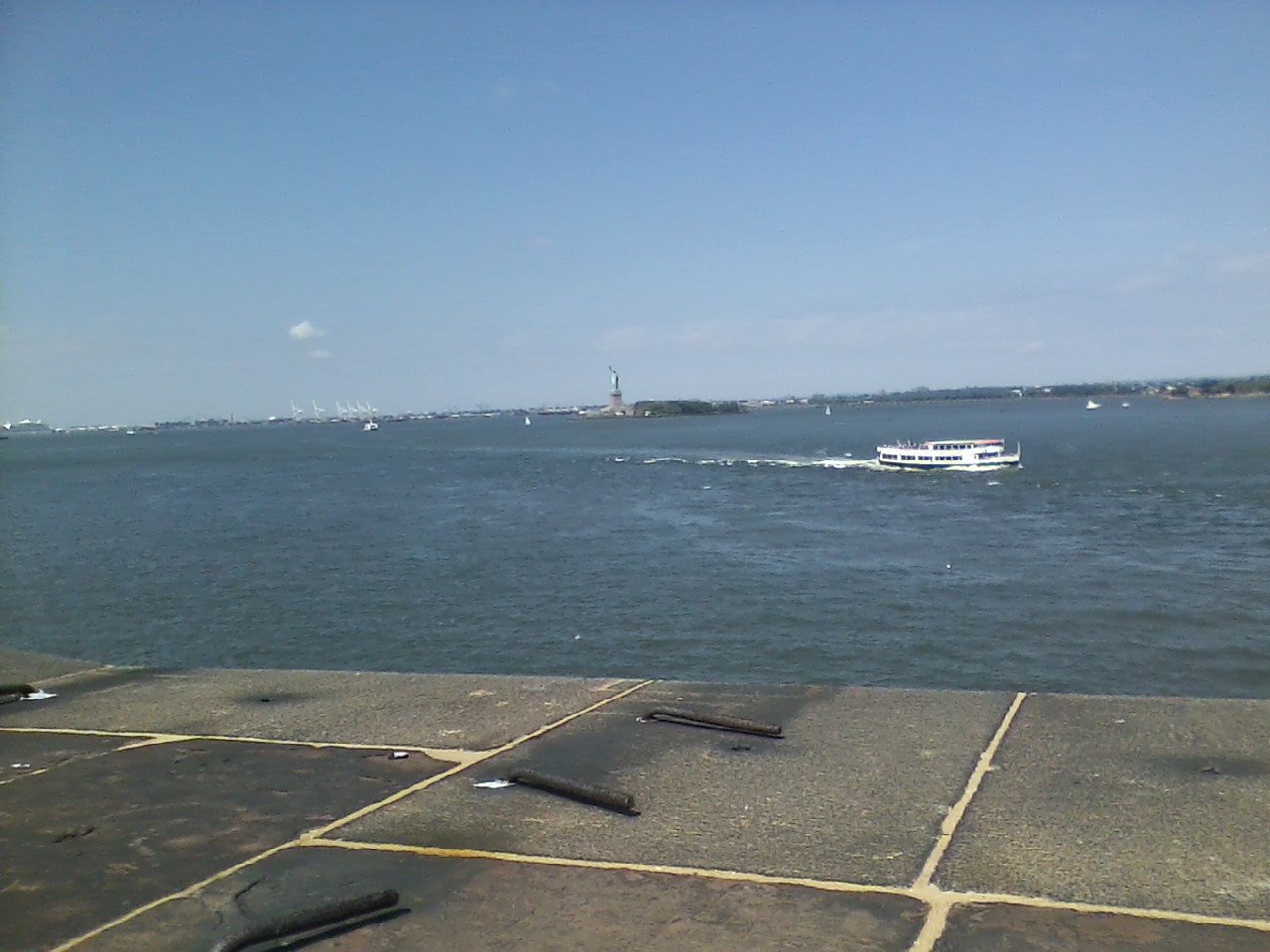
The Statue of Liberty, also from Castle Williams. Tours to the roof are free but ticketed due to space limitations. If you come to the island it is worth taking the time to do this. The views are breathtaking and the interpretive rangers do an amazing job explaining the history of the fortress and the island.

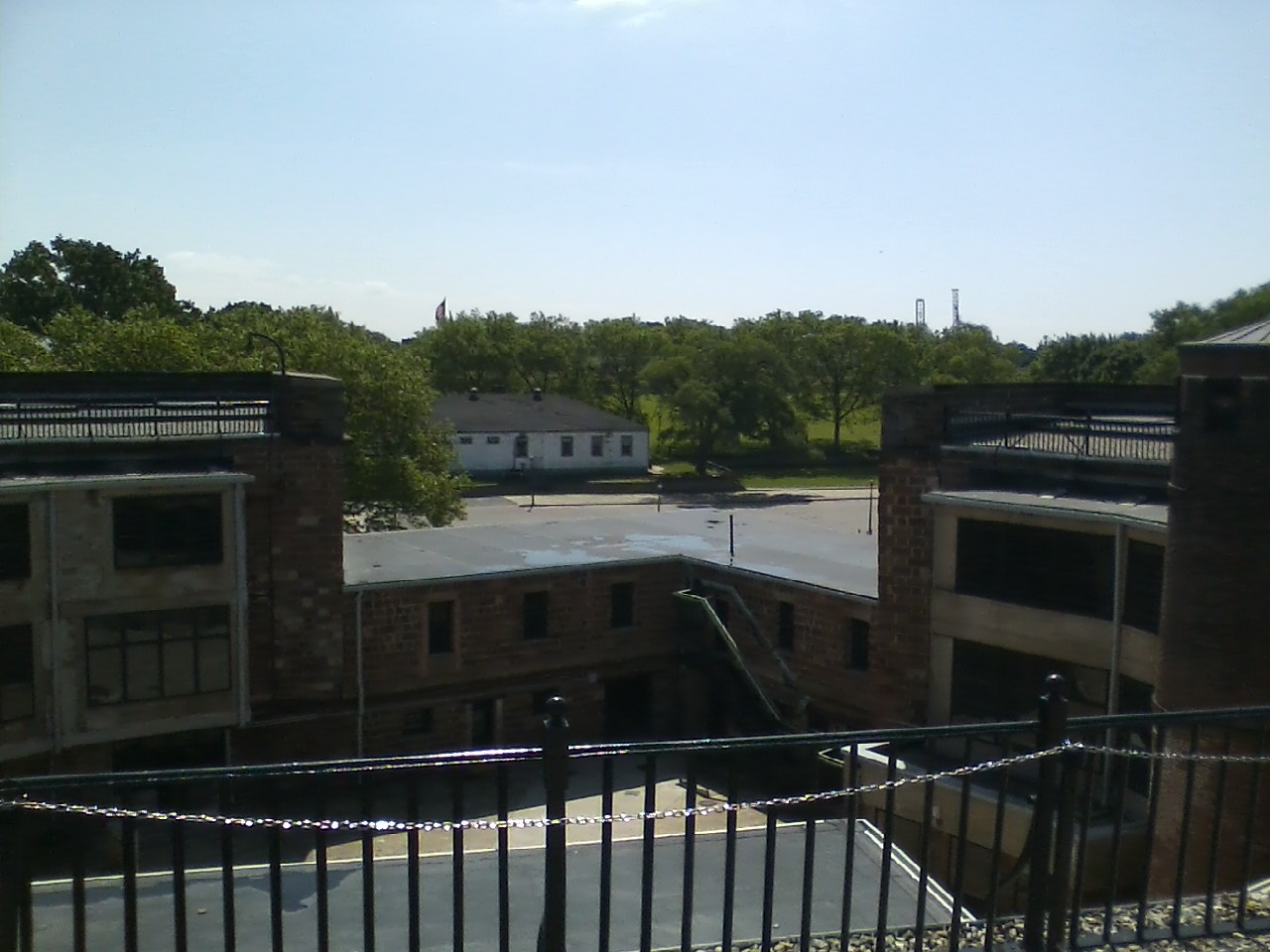
This is looking directly backward toward Fort Jay from the same spot as the photo above. You cannot see Fort Jay through the trees; if you look above the white building however, you will see the flag. The white building was the Coast Guard library. The CG left in 1996.

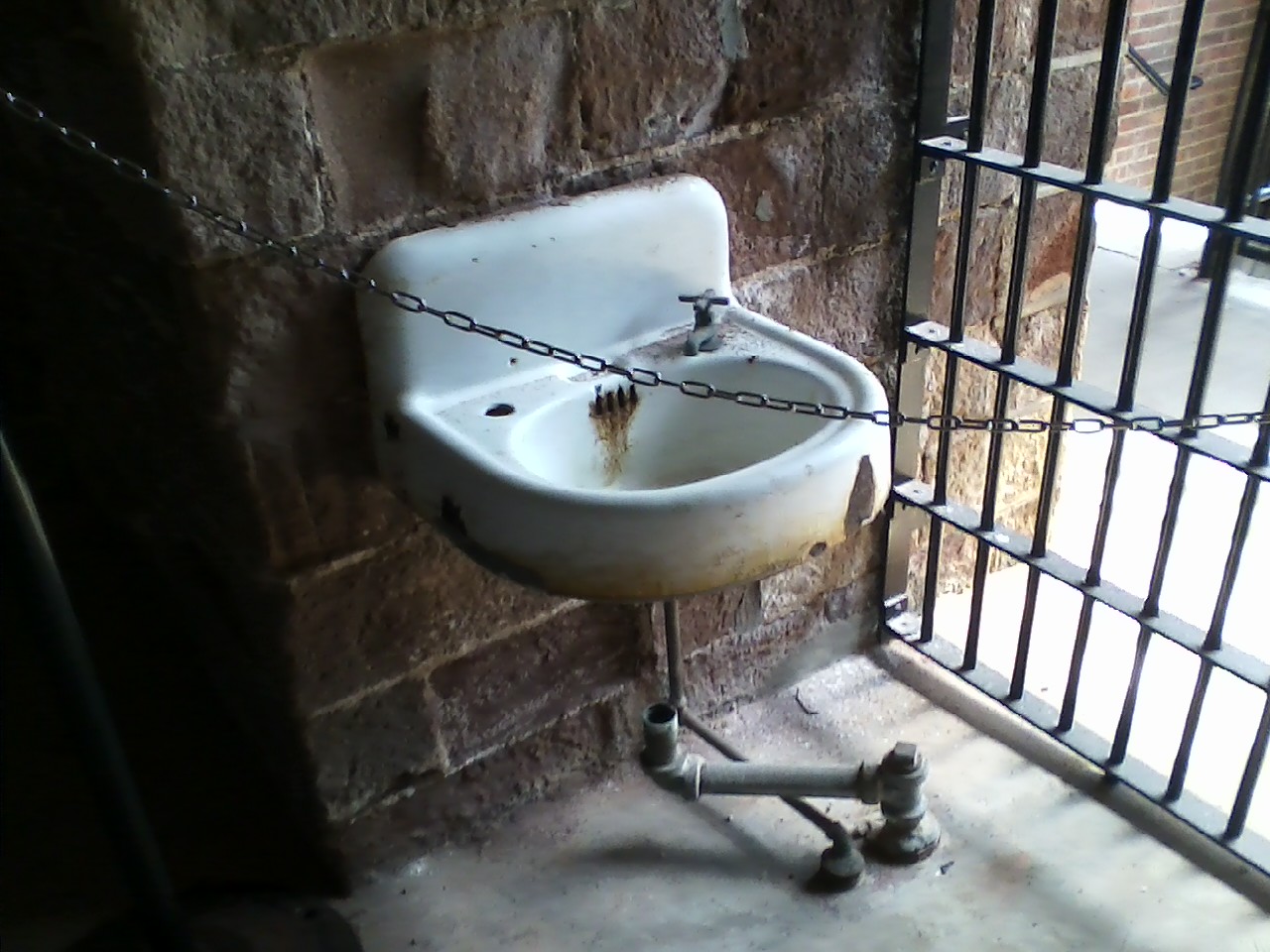
The sink is not from the Civil War period; when Confederate prisoners were housed at Castle Williams there was no running water. Yes, the bars indicate that this was indeed a jail.

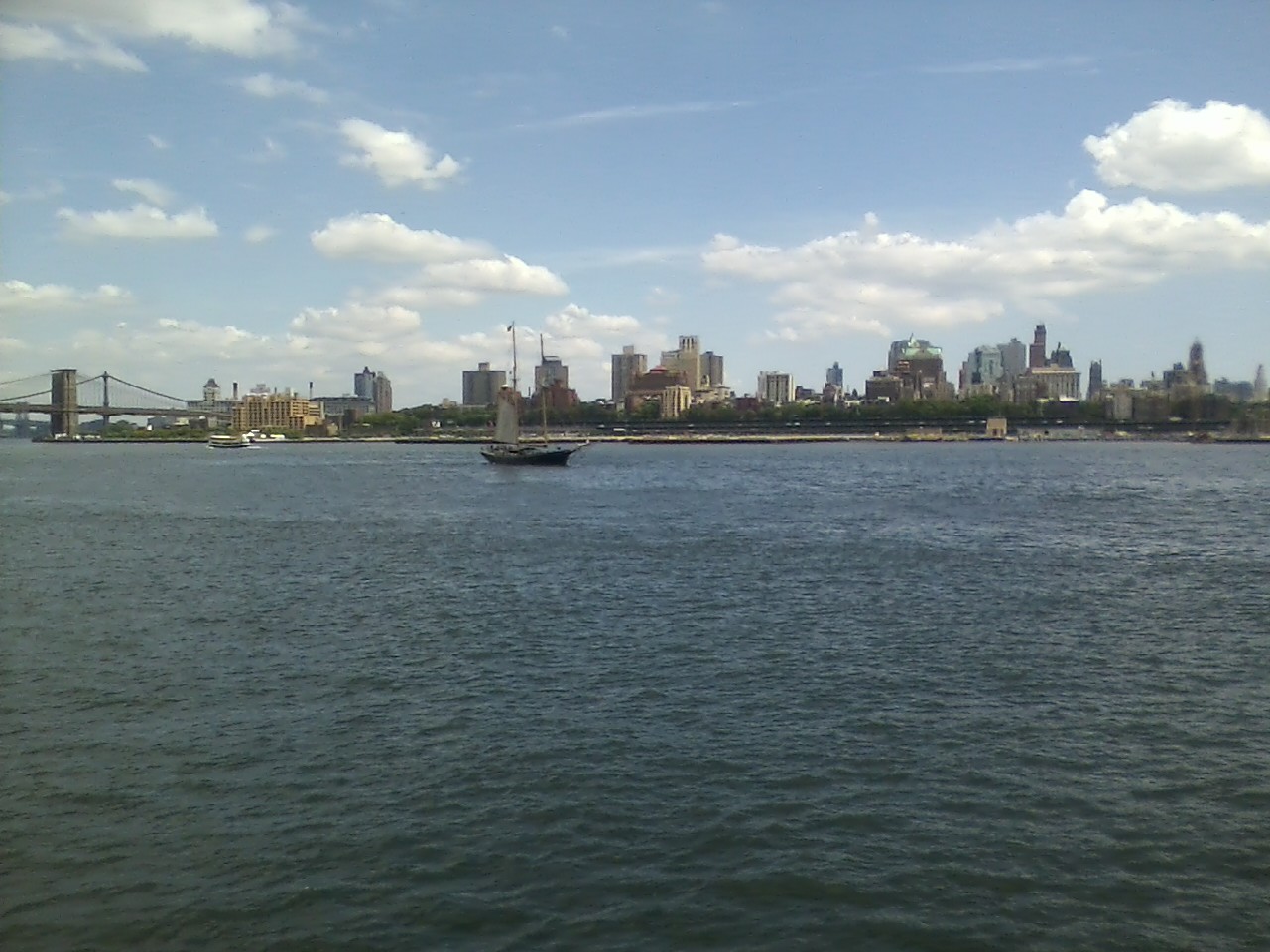
Brooklyn from the ferry heading back at the end of the day. You can see the east tower of the Brooklyn Bridge on the farthest left.

Summer is underway.

The Jazz Baroness

The Baroness Pannonica de Koenigswarter–French Resistance pilot, Rothschild, patron and muse to Thelonious Monk and other jazz greats–has been in the news a fair amount in the past 4-5 years. Now her great-grandniece has published a biography of the enigmatic great-aunt who was virtually disowned by her family after she moved to New York to better provide emotional and financial sustenance to Monk, Charlie Parker, and a great many musicians of the Bebop Generation. It is important to remember that jazz in postwar America had not yet reached the institutionalized stage it has today. There was no Jazz in July, let alone at Lincoln Center, in 1950s and early 1960s America. A jazz artist then was more likely to be an alcoholic or heroin addict than the college-educated vegetarian many are today. Many aspects of the life were indeed squalid and unseemly–Charlie Parker died on her living room sofa at the age of thirty-four. The only thing worse than what Parker and his acolytes did to themselves is the the realization that it was all self-inflicted, an incredible waste and squandering of human talent. Yet, at their best, the jazz musicians of the time had a wit and worldliness the the Beatniks who clung to them could never in their wildest dreams have penetrated. Many of the Beats mistakenly believed that improvisational jazz meant that the musicians simply stepped on stage, began jamming, and produced what they did. There was an ugly whiff of the myth of the Noble Savage in the whole thing. In reality, these men–and they were mostly men–worked hard on their art, meeting regularly in small, basement apartments across Manhattan, Brooklyn, and Queens and often playing for each other after hours to hone their skills. I intend to read Hannah Rothschild’s book this summer.

The day before Thanksgiving in 2008 I had a dentist appointment in the city and swung by the Hermes store on the Upper East Side afterward to catch Three Wishes: An Intimate Look at Jazz Greats at the boutique’s upstairs gallery. The wealthy baroness used Hermes leather notebooks to mount photographs she had taken of Monk and others. We’re not talking Francis Wolff here. These are not professional photographs but images captured in relaxed and informal moments by a person taking pictures of her friends. The video below that I found is wonderful but does not quite capture the immediacy of seeing the actual, original, photos, which look no different from photos you or I might have taken except for the fact that they depict Miles Davis, John Coltrane, and others. The exhibit was called Three Wishes because the baroness liked to ask people what they would ask for if they could have any three desires fulfilled. Of course I shamelessly ordered the companion volume for the library where I work.

We are looking forward to going to the Jazzmobile at Grant’s Tomb come July and August.

92 today

I just finished the draft of a encyclopedia article, which I am going to proofread tomorrow and email off to the editor. In the past year I have written a series of these, about eight altogether. Most, but not all, have had a Civil War-related aspect to them. This one is on the Union League and came out to about 1,250 words. I have been trying to build my resume and portfolio, and this has proved a useful way of doing so. Encyclopedia articles are a good way to build one’s writing chops because they teach a person how to write to spec, keeping to the rigid word count and focusing on the aspect of the subject the editor wants to highlight. They say if you want to write, write. This will probably be the last one I do. I am going to focus my attention on the summer at Governors Island, where I will hopefully give some tours and write some content for the website. Yesterday I pulled out my well-thumbed copy of Freeman Tilden’s Interpreting Our Heritage for a brush up. I do not read as much fiction as I used to, but decided to get back to it this summer. Yesterday I downloaded Shelton Johnson’s Gloryland to my Kindle and have been enjoying it a great deal. I intend to write more about the novel when I finish. You may remember Ranger Johnson from this video I posted awhile back.

Our temperature hit 92 today. Getting ready for summer here in the Big Apple.

Memorial Day

Come up from the fields father, here’s a letter from our Pete,
And come to the front door mother, here’s a letter from thy dear son.

Lo, ’tis autumn,
Lo, where the trees, deeper green, yellower and redder,
Cool and sweeten Ohio’s villages with leaves fluttering in the
moderate wind,
Where apples ripe in the orchards hang and grapes on the trellis’d vines,
(Smell you the smell of the grapes on the vines?
Smell you the buckwheat where the bees were lately buzzing?)

Above all, lo, the sky so calm, so transparent after the rain, and
with wondrous clouds,
Below too, all calm, all vital and beautiful, and the farm prospers well.

Down in the fields all prospers well,
But now from the fields come father, come at the daughter’s call.
And come to the entry mother, to the front door come right away.

Fast as she can she hurries, something ominous, her steps trembling,
She does not tarry to smooth her hair nor adjust her cap.

Open the envelope quickly,
O this is not our son’s writing, yet his name is sign’d,
O a strange hand writes for our dear son, O stricken mother’s soul!
All swims before her eyes, flashes with black, she catches the main
words only,
Sentences broken, gunshot wound in the breast, cavalry skirmish,
taken to hospital,
At present low, but will soon be better.

Ah now the single figure to me,
Amid all teeming and wealthy Ohio with all its cities and farms,
Sickly white in the face and dull in the head, very faint,
By the jamb of a door leans.

Grieve not so, dear mother, (the just-grown daughter speaks through
her sobs,
The little sisters huddle around speechless and dismay’d,)
See, dearest mother, the letter says Pete will soon be better.

Alas poor boy, he will never be better, (nor may-be needs to be
better, that brave and simple soul,)
While they stand at home at the door he is dead already,
The only son is dead.

But the mother needs to be better,
She with thin form presently drest in black,
By day her meals untouch’d, then at night fitfully sleeping, often waking,
In the midnight waking, weeping, longing with one deep longing,
O that she might withdraw unnoticed, silent from life escape and withdraw,
To follow, to seek, to be with her dear dead son.

–Walt Whitman

Whitman’s Patent Office

A year ago right now, the Saturday of Memorial Day weekend, I was on the Boltbus heading to DC. Needless to say, the National Portrait Gallery was on my list of place to see (again). I had never been to the NPG until about two years ago and become more intrigued every time I visit. Sometimes I will go in the morning, break for lunch and get a sandwich across the street, and visit again refreshed in the afternoon. What it fascinating is not just the art–though the NPG collection is one of the finest in the world–but the building, The Smithsonian’s National Portrait Gallery and AMerican Art Museum are in the U.S.Patent Office. Clara Barton worked there in the 1850s. During the war the Patent Office was, like so many structures, used as a hospital. It was where Walt Whitman nursed the wounded and dying. When you are in the building you become filled with what I can only describe as a sense of continuity.

Enjoy your weekend.