Check your C-SPAN 3 listings this weekend for this documentary about the defenses of Washington. We take it as a given that the Confederacy did not capture the capital during the war. It very much might have gone the other way. Tomorrow a friend and I are going to the Brooklyn Navy Yard, which I have never been to before. I will take pics. Sunday I will be writing an encyclopedia article. Enjoy your weekend.
Here is a reminder of why one shouldn’t believe everything one reads. What is most dismaying is the number of reputable outlets who picked up the story.
In 1956 Nathaniel Montague walked into a used bookstore and stumbled upon a Paul Lawrence Dunbar first edition. It was a moment that changed his life. It also led to the creation of perhaps the greatest personal collection of African Americana ever assembled. For half a century Montague travelled around the world scouring used book stores, garage sales, and wherever else in search of artifacts. He also hung out with Sam Cooke and Wilson Pickett. As the years went by, his methods became more organized and his searches more systematic. He was especially enthralled by the “museum libraries” he visited in Europe, where one could look at and touch the items. Montague is 84 now and recently declared bankruptcy. The collection is easily worth millions but it is not certain, perhaps even unlikely, that the collection will stay together in its entirety. The items are in an undisclosed location and await their fate.
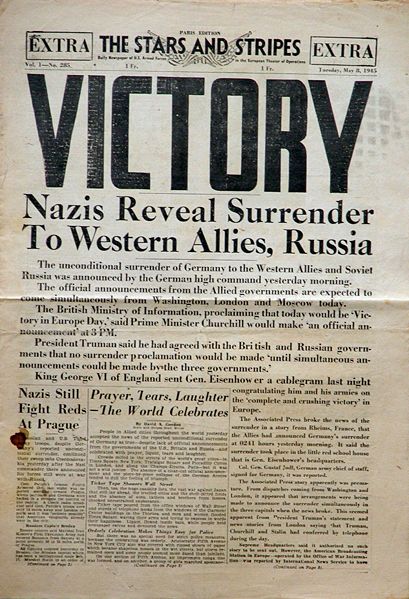
Tomorrow, May 8, is V-E Day. Or today is, depending on how you choose to do the math. I am old enough to remember when V-E Day was still a fairly big deal. Even in the early 1990s, long after I had reached full adulthood, the anniversary of the German surrender was duly noted. No one mentioned it to me today, and I am not betting on it for tomorrow either. What can you say? The world moves on. I mentioned last year on December 7th that Pearl Harbor Day 2011 was the last WW2 anniversary I would mark the way I once did.
The reason for confusion over the official ending of the war in Europe has its roots in the earliest stages of the Cold War. The Germans surrendered to the Americans on May 7th, but Stalin wanted to wait another day to make it official with his own ceremony. American and British reporters were sworn to silence, and so everyone waited. The plan was foiled when the Germans announced over the radio that they had indeed capitulated. After they did so, Ed Kennedy of the Associated Press realized the hoodwink for what it was and told the world what leaders in Washington, London, Berlin, and Moscow already knew. For his troubles he was unceremoniously fired.
I was having a conversation about this affair with someone the other day, trying to figure out why the Allies, especially the U.S., felt so beholden to Stalin. My theory is that Roosevelt never fully understood who and what Stalin was, and believed he could use his considerable personal skills to “handle” the Russian leader. Roosevelt was dead by May, however, and that does not explain all the kowtowing coming from his replacement. My speculation here is that the Truman Administration felt they owed the Soviets for their considerable contribution to victory, not to mention that they easily could have gotten back in their T-34s and rolled all the way through Western Europe if they had chosen. It all may or may not have been necessary but it was certainly a tragedy.
Kennedy’s posthumous memoir has just been released. It includes an introduction and apology from the current AP president and CEO.
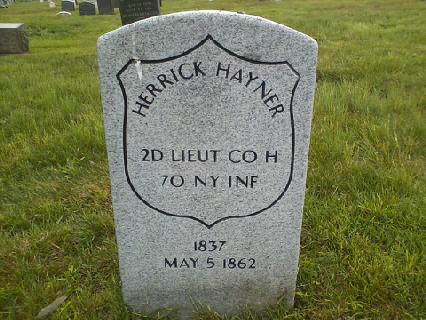
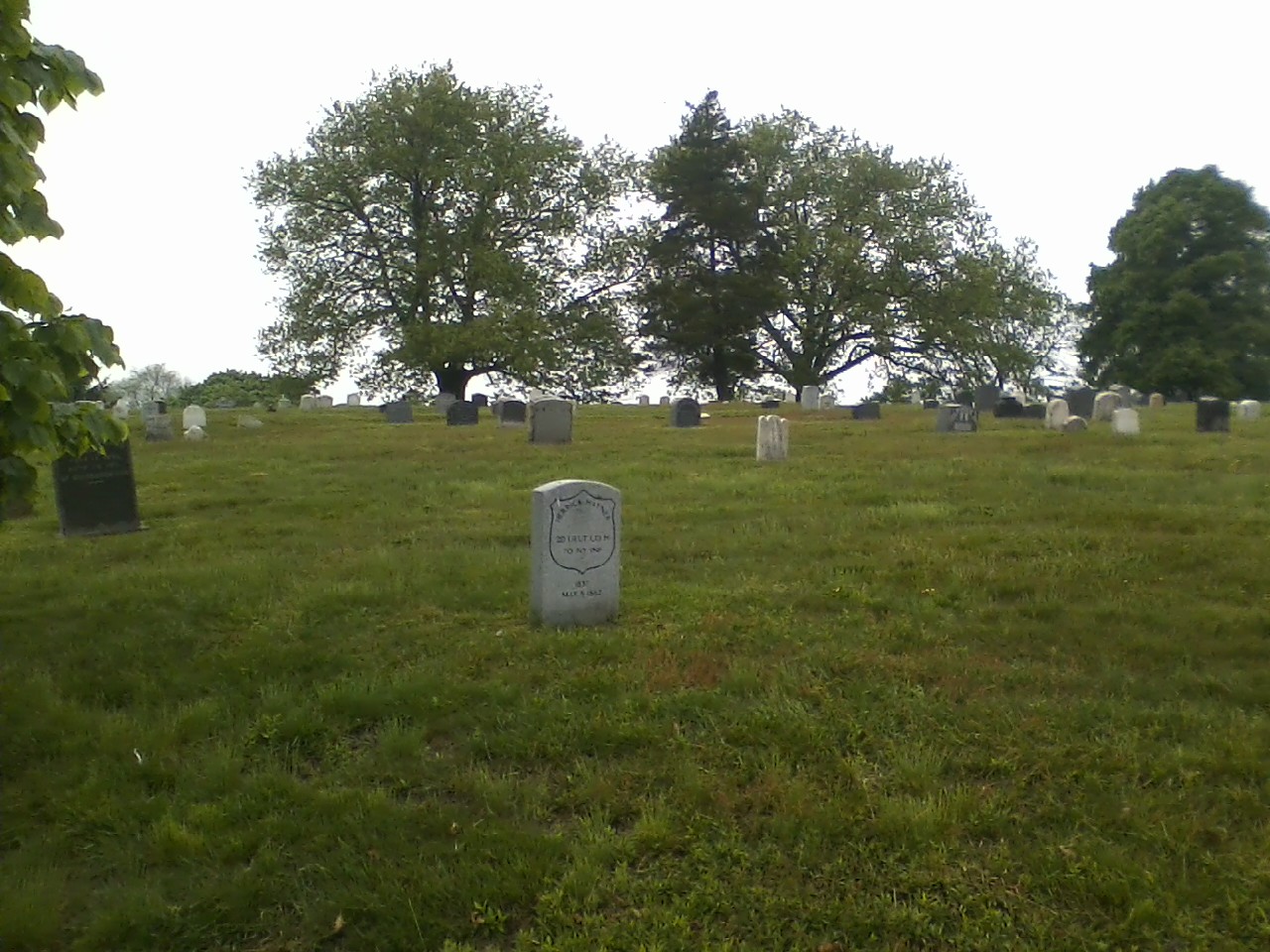
I was in Greenwood Cemetery earlier this afternoon. It was a cool, rainy day and there were few visitors even by normal standards. I had reached the part of the cemetery where a good number of Civil War soldiers happen to be buried and, walking up to one, was stunned to see that he had been killed in action on May 5, 1862–150 years ago today. What are the odds of such a thing happening?
Herrick Hayner, Brooklyn’s Greenwood Cemetery
I was not able to find a whole lot about Hayner. The reason, really, is because he died before having a chance to live. Herrick Hayner was born in Troy, New York in 1837. In New York City on New Year’s Day 1862 he was commissioned a second lieutenant in Company H of the 70th New York Volunteer Infantry. The 70th New York was part of the Third Corps at this time, and that May found itself part of General McClellan’s Peninsula Campaign.
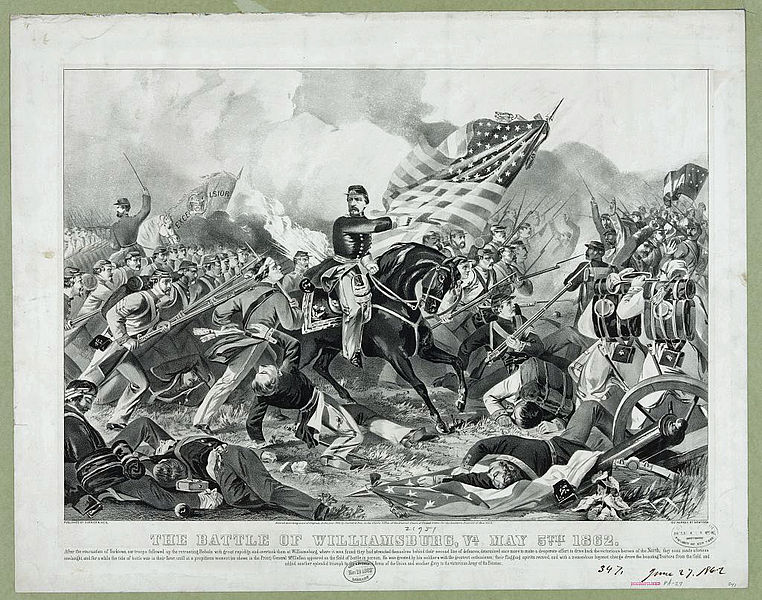
Hayner lost his life in Virginia at the Battle of Williamsburg…
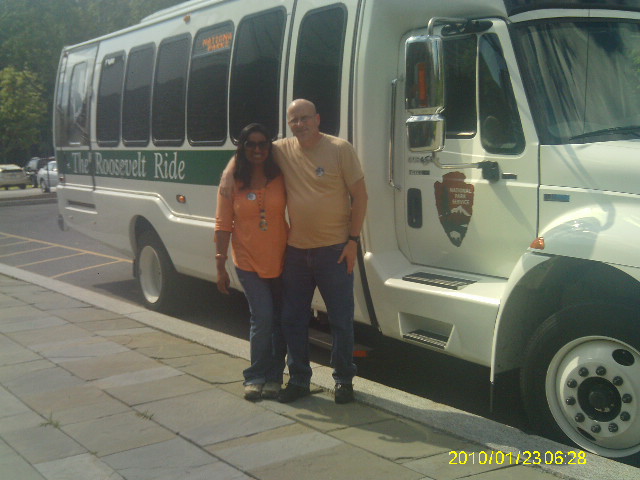
Last summer I posted about our day trip to Hyde Park. The best way to do this if you are going from the city is to take the 8:45 from Grand Central to Poughkeepsie and get the Roosevelt Ride to the Library and Presidential Museum. As of May 1 the free shuttle service is again up and running for the 2012 season. When we were there last year there was a fair amount of renovation taking place, which I assume is funded by the stimulus money funneled into the economy over the past few years. The Hayfoot and I will probably skip this year, having gone each of the last two. We will probably go back in 2013 when the changes are complete. Still, there is much to see and if you have never been we highly recommend. The site gets about 100,000 visitors a year, many of whom are “leaf chasers,” folks who visit the Hudson Valley each fall to witness the fall foliage. The Roosevelts and their generation have receded into history and every year there are fewer and fewer visitors who have that viseceral attachment to FDR that so many people had even into the 1970s and 80s . I spoke to one of the rangers about this very thing. This is one of the special places in 20th century American–world–history. Ed Rothstein of the New York Times filed this report from his trip earlier this week.
I had hoped to attend the conference of the National Council on Public History, of which I am a member, but unfortunately was not able to make it. The conference was held two weeks ago in Milwaukee in conjunction with the meeting of the Organization of American Historians. C-SPAN covered some of the goings on, including this interview with NPS chief historian Robert Sutton.
This past Monday I was coming up the stairs at the college where I work. When I got to my floor I stepped into the large hallway, where several people were setting up lights and cameras. It was the photographers who come each year to take graduation photos. Actual graduation is still about a month away, but I am always moved when I see this rite of passage every year. The ersatz waiting room was conveniently located next to the soda machine and so at least once a day I headed in that direction seeking refreshment. It was also a convenient excuse to b.s. with the students, dressed in their finest, waiting for their turn to be called. People were laughing and mostly in a good mood, though some seemed pensive, possibly wondering what their future brings. Some of them I have known throughout their student life through having helped them on the reference desk, teaching them in a workshop, or in the classroom. New York City has changed a great deal in the last few decades, and much of that is due to individuals who are new to the city and the country. I remember coming in to teach a library session on a Sunday morning and one of the students telling me that he had come here from Africa several years ago. He drove a cab 40 hours a week and was taking weekend classes at the same time. Another student was a single mother who had returned to school after a long–long–hiatus. These stories are not untypical. The strength and courage of many of them is moving. These were the things running through my mind every time I passed the hallway over the course of the week.
Frank’s not here anymore. We should be clapping just for that.
–Magic Johnson at today’s press conference announcing that his new ownership team has now officially taken over from the ethically-challenged Frank McCourt
≈ Comments Off on “One tank. 400 years of history.”
There are certain aspects of heritage tourism that make me queasy. Re-enacting, excuse me, living history, and the kitsch of such places as Colonial Williamsburg are two that come to mind off the top of my head. When done well, however, heritage tourism can be a boon to educators, families, and local communities who have much to gain socially and economically from the exploitation (in the good sense) of historic places. No one is doing this better than the people who have put together the Journey Through Hallowed Ground, which the Hayfoot and I have now been traveling for years. Jonathan Jarvis and Cate Magennis Wyatt explain.

 The Strawfoot