The Great Dismal Swamp

The oppressive heat, venomous serpents and boot-snatching muck that made the Great Dismal Swamp a barrier to European settlement ever since colonial times also made it a haven for thousands of people escaping slavery before the Civil War.

This fall, a permanent exhibition will open to provide some detail about those lives, part of an expanding effort by the National Park Service and other agencies to recast the experience of pre-war slaves. Scholars are using sites like the Great Dismal Swamp, straddling the line between North Carolina and Virginia, to highlight a little-known side of history, in which the freedom trail for slaves didn’t always run to the north.
Show me the money

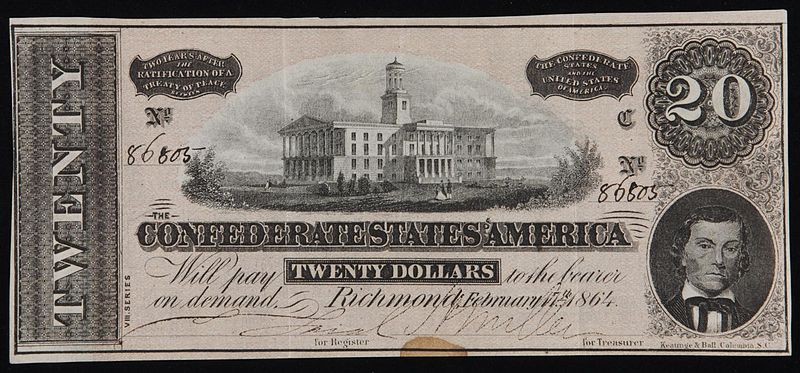
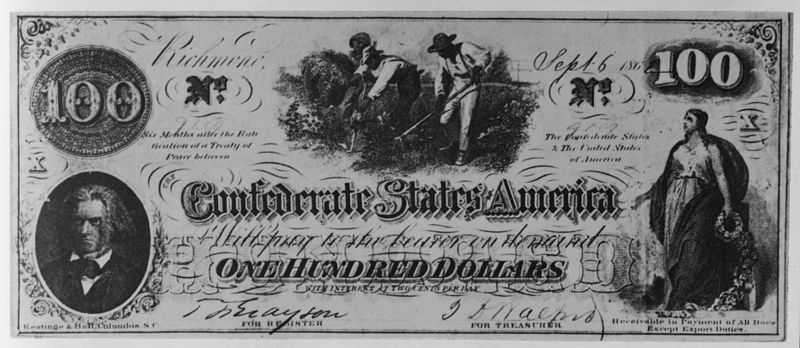
Yours truly has been collecting Civil War revenue stamps for a few years now.  Coins and stamps have always fascinated me because of their tangibility.  The people using them at the time had no way to know that these items would someday be part of history.  They were just the accoutrements of everyday life and commerce, used in the types of transactions we all conduct each day without thinking about them.  Thus a coin, stamp, or bill from an earlier era is a connection to the past in a genuine and understandable way, giving us a real connection to the people who once used them.  And why do we study history if not for that?

(Beinecke Rare Book & Manuscript Library, Yale University)

(Library of Congress Prints and Photographs division)

Songcatching

Ethnomusicology is a fascinating subject, and nowhere more so than when it comes to the music of African-Americans.  During the New Deal researchers recorded the oral histories and music of former slaves who were by then in their eighties and nineties.  Most famous, of course, was the work of Alan Lomax, who worked with Zora Neale Hurston among others to record and document this soon-to-be-gone-forever piece of American history and folklore.  Graduate student Bob Hester spent a year tracking down the roots of a half dozen slave songs.  The tale goes from South Carolina to Augusta, Georgia with the help of a soldier from Brooklyn.

The Handbook

(Courtesy: National Park Service)

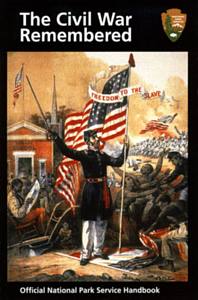
Last week in the Antietam bookstore I bought my copy of The Civil War Remembered, the National Park Service’s official handbook for the sesquicentennial.  This slim (176 page) tome punches above its weight, with an introduction by James McPherson and fifteen essays by some of the leading scholars of today.  Essayists include Edward Ayers on America in the 1850s and early 1860s, Drew Gilpin Faust on death and dying, Allen Guelzo on Emancipation, Carol Reardon on military strategy, and Jean Baker on the war’s civilian toll.  Though many readers will already be aware of the ideas expressed by at least some of the authors, the monograph covers much ground and will provide something new for everyone.  If a person were to read the fifteen essays offered here and nothing else, she would have a firm overview of current trends in Civil War historiography.  It is loaded with photographs and art work as well.  After each essay is a comprehensive list of Park sites related to the subject.  Yours truly has been stuffing it in his bag and reading an essay each morning during his daily commute.  (Reading while commuting is one of the fringe benefits of being a New Yorker.)  The book is not available through online booksellers, but can be found at battlefield parks or online from Eastern National.