Good Ol’ Freda trailer

I suppose it has become my destiny to flog the coming of the Good Ol’ Freda documentary, which is to hit screens and iTunes on September 6. The trailer was released yesterday and offers a hint of why the film should be so special. Watching it, one understands why it was she who was chosen to be their secretary; her wit, intelligence, and tact are so readily apparent. My favorite part of the trailer is when she passes when asked if she ever went out with any of them. Watch the snippet and your day will be that much better.

The Yankee in Brooklyn

SS Machigonne, later renamed the Yankee

SS Machigonne, later renamed the Yankee

About a year ago I posted an announcement describing an August 2013  tour of the Yankee, a ship built in 1907 that had a rich and colorful history before becoming an immigrant ferry boat at Ellis Island. The Yankee is in fact the last existing Ellis Island ferry boat, which is saying something if you stop and think about it. The ferry is owned by Victoria and Richard Mackenzie-Childs and, until recently, was docked in Hoboken, New Jersey. Well, the couple have moved across the harbor to Red Hook, Brooklyn and have begun a new chapter in the Yankee’s 106 year history by preparing to open it up as a sort of floating meeting place and cultural center. Red Hook is a better neighborhood to make a go of it; it is a former working class neighborhood in our fair borough that has been steadily and inexorably transforming into a hipster conclave in recent years.

This project is destined to be either a disaster or a stroke of genius. I would love to see the venture succeed provided the owners respect the rich tradition of the boat and its unique role in our history. Frivolity is an important part of life, but I get peeved when I visit an important place and find people engaging in some type of organized silliness. I must say they seem to be putting the love in. I may have to take a field trip this fall and investigate for myself.

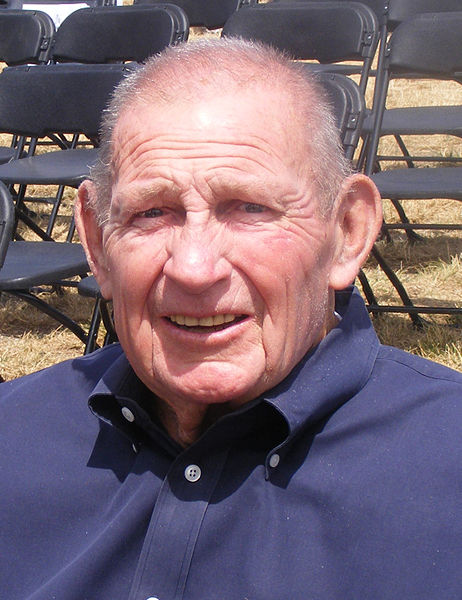
Art Donovan, 1924-2013

Art Donovan Jr. in his later years

Art Donovan Jr. in his later years

I noted with great sadness the passing of football great Art Donovan earlier this week. Among other things, Donovan played in the 1958 NFL championship game between the Baltimore Colts and New York Giants. Sometimes called The Greatest Game Ever Played, that contest signaled the arrival of professional football as a major sport. Until this time college football still predominated in the national consciousness. They played in Yankee Stadium and the  Colts won 23-17 in overtime. When journalist David Halberstam was killed in an automobile accident in April 2007, he was en route to interviewing Giants quarterback Y.A. Tittle for a book about that game to be published for the 50th anniversary in 2008. Frank Gifford finished Halberstam’s work, which included many great stories about the characters who played in that long ago game and era.

I was too young–okay, not yet born–to remember Donovan’s playing for those great Baltimore Colts teams of the late 1950s and early 1960s. I remember him for his appearances on David Letterman in the early 1980s. Even then Donovan looked like someone out of another time with his crew cut and uncalculated demeanor. Letterman’s style was still fresh and new at that time; his detached irony, not yet mimicked by others and coming late in the night at the 12:30 am time slot, contrasted well with the more cerebral Johnny Carson. Donovan was a always a great guest, self-effacing and funny, but obviously intelligent and aware at the same time. Memory is a tricky thing–this is more than three decades ago now–but I seem to remember Donovan recounting a tale of eating a case of spam as part of a bet with his Marine buddies during WW2 while stationed in the Pacific. He indeed ate the whole thing.

Mike Donovan's 1909 memoir

Mike Donovan’s 1909 memoir

What I did not know until reading his obituary in the London Guardian, was that Art Donovan Jr. was part of a prominent family in American sport and military history. His father, Art Sr., and grandfather, Mike, are both members of the Boxing Hall of Fame. It gets better. Mike Donovan was a Civil War veteran who fought in the Battle of Chattanooga. After the war he ended up in New York City and became a prominent boxer and trainer, going on to teach none other than Teddy Roosevelt the finer points of the Sweet Science. His son fought in the Great War and afterward became one of the greatest referees of the twentieth century, calling the Louis-Schmeling fight at Yankee Stadium–the place where his son, Art Jr., helped bring professional football into the modern era two decades later. It is an incredible story. The world seems a little emptier without Art Donovan.

(top image/Maryland Stater)

I read the news today, oh boy

Kennedy Airport, 1964

Kennedy Airport, 1964

I received the fab news that Magnolia Pictures has set the date of release for Good Ol’ Freda. The documentary about the former assistant to the Beatles will be released in New York City on September 6 and go wide shortly thereafter. I am pleasantly surprised because I somehow figured it would be later in the year. 2013 is shaping up to be a good year for Beatle historiography. Freda promises to be better than the pablum we usually get regarding the group from former “insiders.” It is no different with Elvis, Sinatra, or fill-in-the-blank with any other large and important musical figure. I guess that is the price we and they pay. Six weeks later, on October 29, is the release of volume one of Mark Lewisohn’s eventual three volume history of the group. I wish the significantly longer “author’s cut” was being released in the United States, but alas it is not. I am dying to see what happens when Tune In hits the stores.

(image/Library of Congress)

Quote of the day

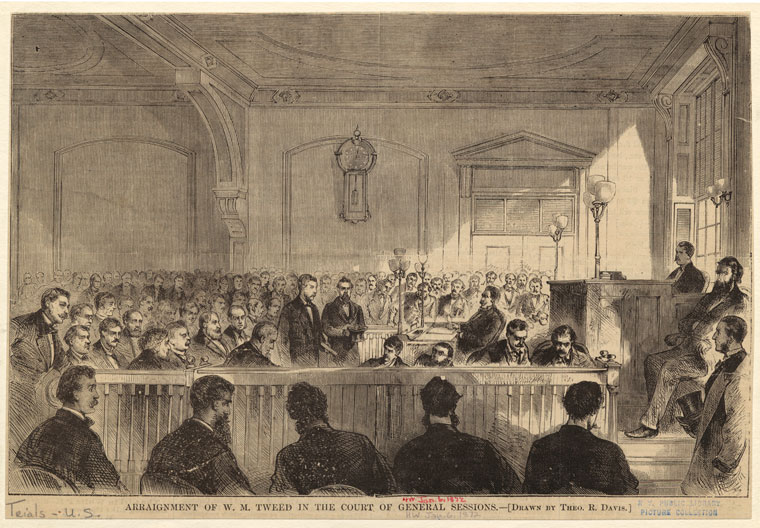
Harper's Weekly: A Journal of Civilization; 6 January 1872

Harper’s Weekly: A Journal of Civilization; 6 January 1872

Except for his stealing, Tweed would have been a great man; but had he been honest, he wouldn’t have been Tweed and would not have left nearly so great a mark.

–Kenneth D. Ackerman, Boss Tweed: The Rise and Fall of the Corrupt Pol who Conceived the Soul of Modern New York

(image/NYPL)

One day in August

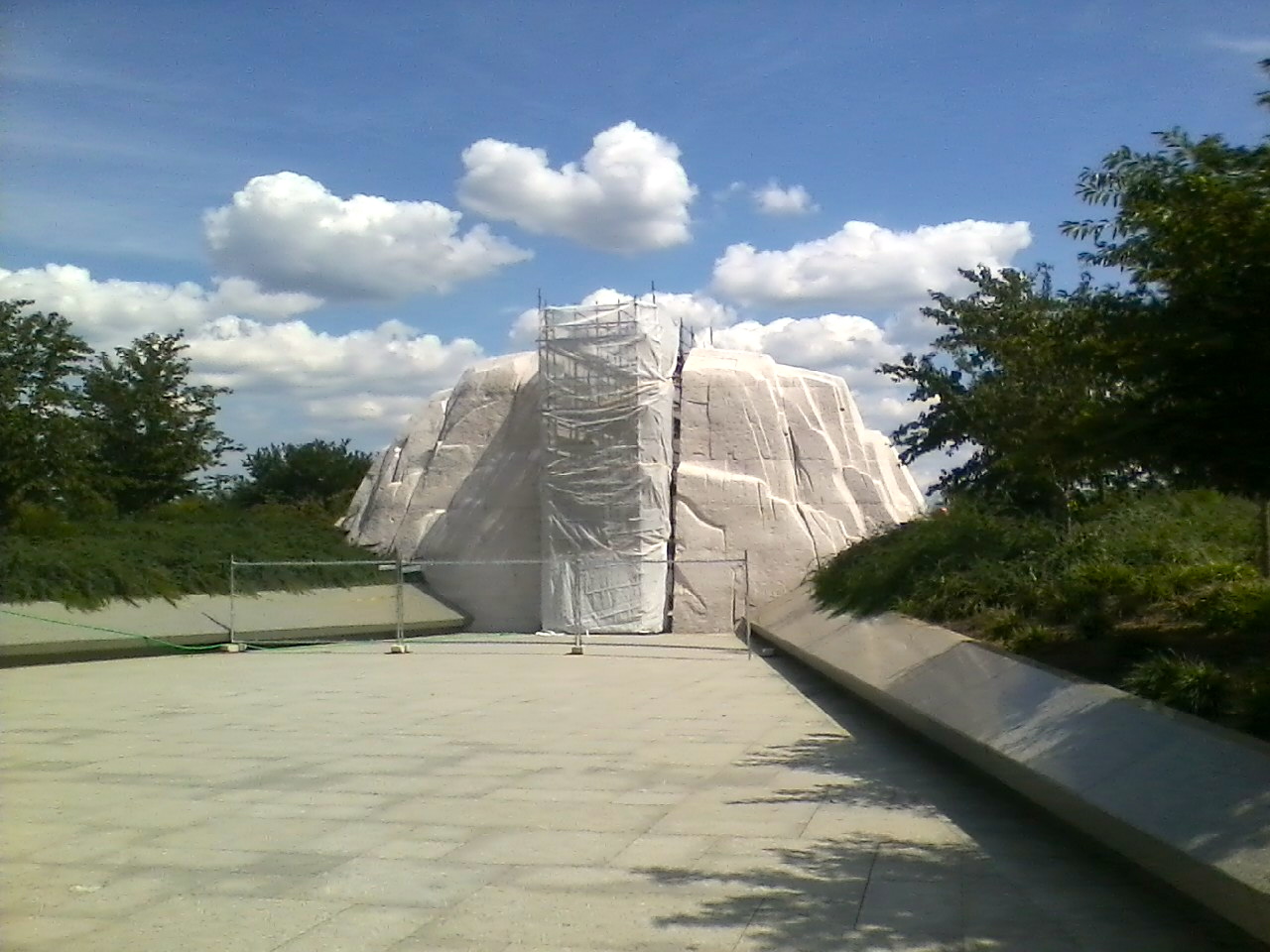
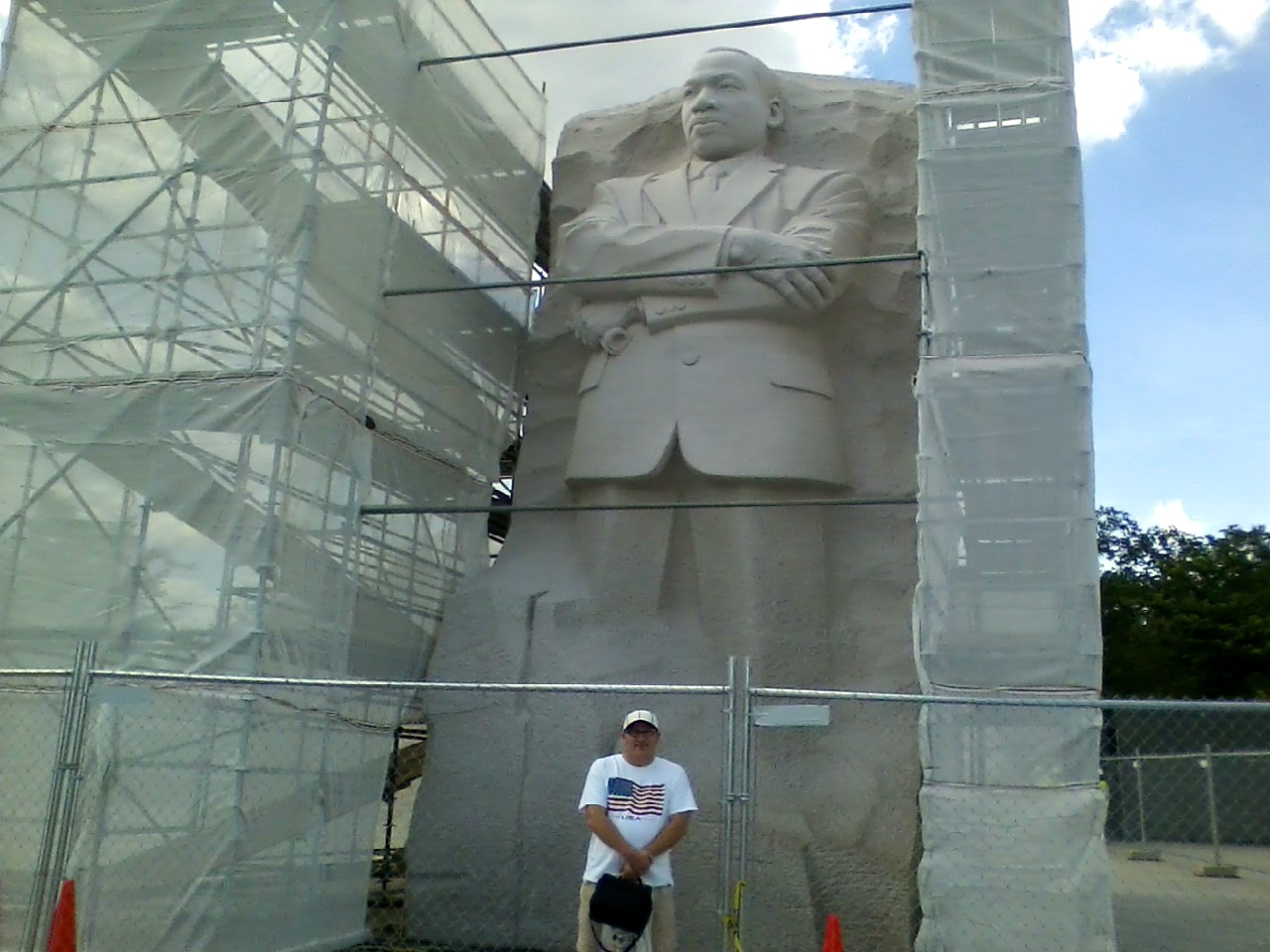
The Hayfoot and I were walking across the Mall from the National Museum of American History yesterday on our way to the FDR Memorial when, crossing Independence Avenue, we heard a tap-tap-tapping sound emanating from the direction of the Martin Luther King Jr Memorial. The MLK statue is one of those disasters so jarringly off in its size and scope, so inappropriate for the man it is meant to honor, so . . . wrong, that it is almost magnificent. Its inappropriateness was all the more obvious after having just left the museum, where we had just seen the Changing America: The Emancipation Proclamation, 1863 and the March on Washington, 1963″ exhibit.

The tapping we heard was somehow appropriate for the still new memorial: it was the engravers chipping away the original, paraphrased “drum major” inscription that angered so many. A ranger told us that the work is all but complete, and that the finishing touches will be in place in time for the fiftieth anniversary of the March on Washington in a few weeks.

MLK Jr Memorial from rear, with scaffolding and covering, 5 August 2013

MLK Jr Memorial from rear, with scaffolding and covering, 5 August 2013

. . . and from the front

. . . and from the front

99 summers ago . . .

This week marks the 99th anniversaries of the start of the Great War, the series of events that, one-by-one, led tragically and inevitably  to mobilization and the great catastrophe that was 1914-1918. By 4 August 1914 most of the primary players had issued their declarations of war and their armies were now moving across Europe. I mentioned to a friend last week that the WW1 Centennial Commission in Kansas City has just about put its entire advisory body into place. I shuddered, though, when noting that the few remaining positions are going to various “celebrities.” Is it just me, or is having, say, George Clooney giving advice on how we should remember WW1 a bad idea? Hopefully, they will re-think that.

Food will win the war - You came here seeking freedom, now you must help to preserve it - Wheat is needed for the allies - waste nothing

Food will win the war – You came here seeking freedom, now you must help to preserve it – Wheat is needed for the allies – waste nothing

I am currently half way through David Laskin’s The Long Way Home: An American Journey from Ellis Island to the Great War. WW1 was a frequent topic in my Interpretation at Ellis Island for obvious reasons. One of the lesser known stories of the war was the Black Tom affair of 30 July 1916, in which German saboteurs set of an explosion on a wharf in Jersey City that could be heard as far as Philadelphia. Beyond that serious event, there were a number of issues pertaining to race, nationality, and allegiance that made for discussion. It is a story that has special meaning for me.; members of my own family had just emigrated to the United States in the years before the war and soon found themselves in the trenches. It is a part of my family history I am just now learning about. Laskin’s book examines the war from the perspective of twelve men who had recently come to the United States from Europe and soon found themselves wearing an American uniform in the American Expeditionary Force. Laskin examines the myriad issues–cultural, linguistic, religious, political–these men had to face, often with mixed results. It is a complicated story and, ultimately, a fundamentally American one. I hope these are some of the conversations we have in the next few years.

(image/1917 poster by Charles Edward Chambers, in Yiddish; Library of Congress)

Cleaning Tecumseh

Manhattan's Grand Army Plaza, 7:15 am

Manhattan’s Grand Army Plaza, 7:15 am

I was in the city bright and early this morning running to a dentist appointment when, crossing 59th Street toward 5th Avenue, I noticed that the Sherman statue was covered for renovation. I blogged about the area back in 2011. I had not been in the neighborhood for a while and this was the first I had seen or heard of the project. My first thought when I saw the fencing and signage was, The Central Park Conservancy manages the plaza, along with its Saint-Gaudens masterwork? Then again, why should I be surprised? A quick internet search reveals this New York Times article with the full story from mid-June. The short version is that the pigeons were winning the battle of attrition versus General Sherman. Apparently previous restoration efforts did not go to well; guilding applied in 1989 was too bright, giving the artwork an unnatural hue which angered and upset many in the neighborhood. I have no fears for this current project and am sure the end result will be fine. Keeping the pigeons away permanently is another story.

I am not counting on it but I would love to see a more concerted effort to preserve Civil War New York and see it presented to the public in a more conscious way.

One artist’s war

One of the most powerful war documentaries I have seen is the 2000 PBS film They Drew Fire. Good luck trying to watch it. Inexplicably the film is unavailable on Netflix, via streaming Amazon, or in such databases as American History in Video. It seems to have gone out of print, though I do see that there are some dvd copies available via Amazon from second sellers. The film is about the artists commissioned by the U.S. Army to follow the fighting in both Europe and the Pacific. The War Department, and the Roosevelt White House, encouraged these artists to depict war as it really is, naked brutality and all. And that is what they did, drawing, painting, and photographing what they saw from an artist’s perspective. That the images were so horrific is probably why the artworks sat unwanted and unviewed in government warehouses before being found again during the years of the WW2 fiftieth anniversary commemorations in the 90s.

Victor Nels Solander was not one of these artists. He toiled in the 123rd U.S. Naval Construction Battalion on Midway Island through 1944-45. Still, he left us his own testimonials of the war. When off-duty he found the time to paint several large scale murals of what he saw around him. Until earlier this month these murals were still on Midway Atoll, seventy years after the fighting ended, displayed in the movie theater. Now, more people will have the opportunity to see them after they were moved to Honolulu. The U.S. Fish and Wildlife Service oversees the care of the murals and is loaning them longterm to the Pacific Aviation Museum at Pearl Harbor.

Pics of the day

I just got back from Governors Island. It was an enjoyable day. I just showered and am now relaxing with a cup of coffee and Miles Davis on the turntable as I squeeze out the last few hours of the weekend. Here are a few quick pics:

Manhattan skyline, 9:45 am

Manhattan skyline, 9:45 am

I took this south of Fort Jay looking north toward Manhattan. The Army and Coast Guard personnel who return talk about how they had the best of both worlds when stationed on the island; the island had the feel and security of small town America, but with the excitement and cultural benefits of New York City just a ten minute boat ride away.

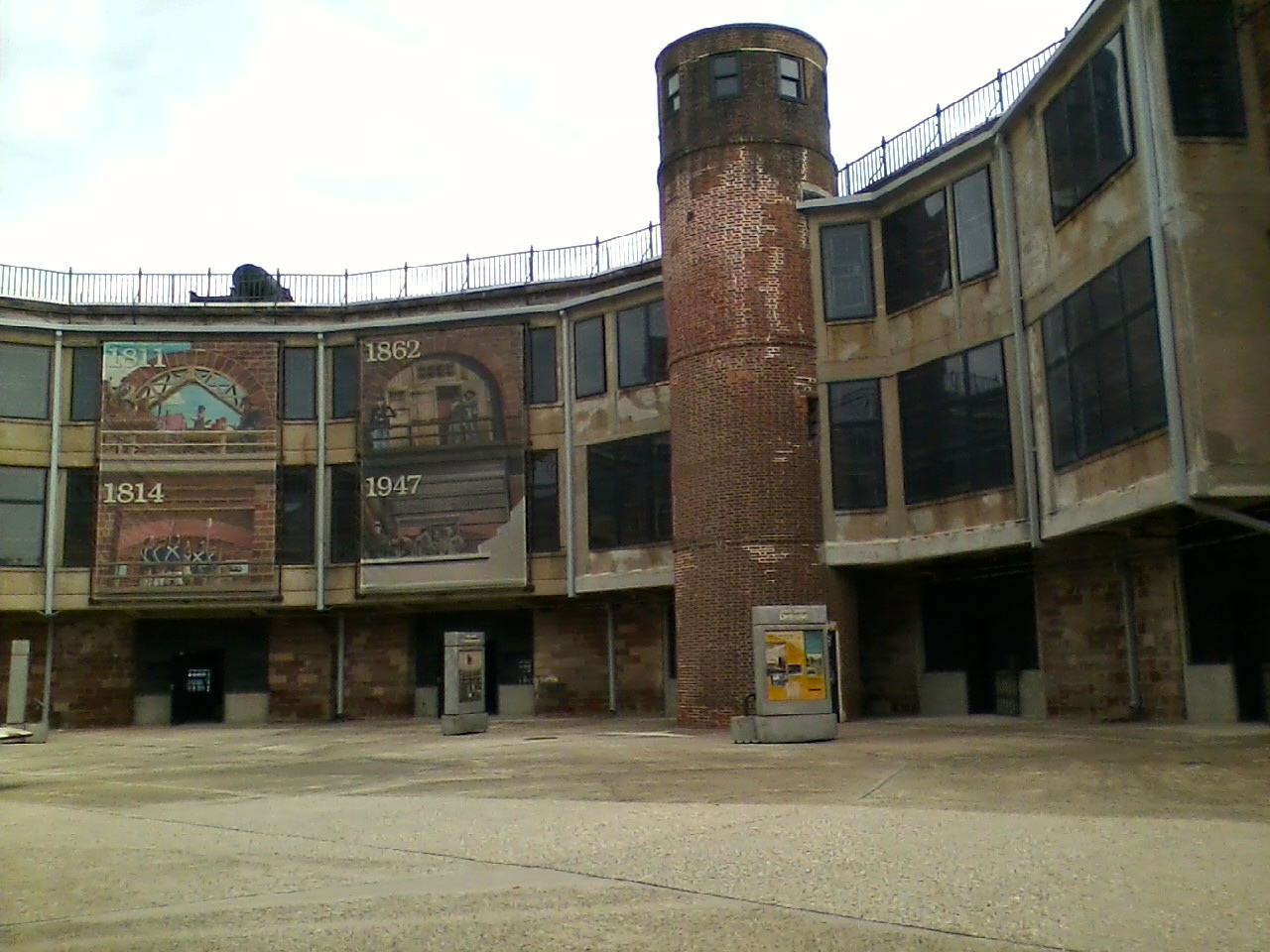
Castle Williams, 10:05 am

Castle Williams, 10:05 am

This was the view from the table where I was distributing the free tickets for the castle tour. The courtyard is open to all, but access to the roof is by guided tour only. The first boat of the day had not arrived yet, which is why there is no one here.

Governors Island is one of America’s special places. There is still two full months left in the season.

Enjoy the rest of your Sunday.