
. . . would turn down this offer of the new Yellow Submarine book. Yours truly just downloaded his to his iPad.
(image/F. Samuels)

12 Monday Dec 2011
Posted in Beatles, Media and Web 2.0
≈ Comments Off on Only a Blue Meanie…
. . . would turn down this offer of the new Yellow Submarine book. Yours truly just downloaded his to his iPad.
(image/F. Samuels)
12 Monday Dec 2011
Posted in Monuments and Statuary, Washington, D.C.
≈ Comments Off on MLK Memorial, cont’d
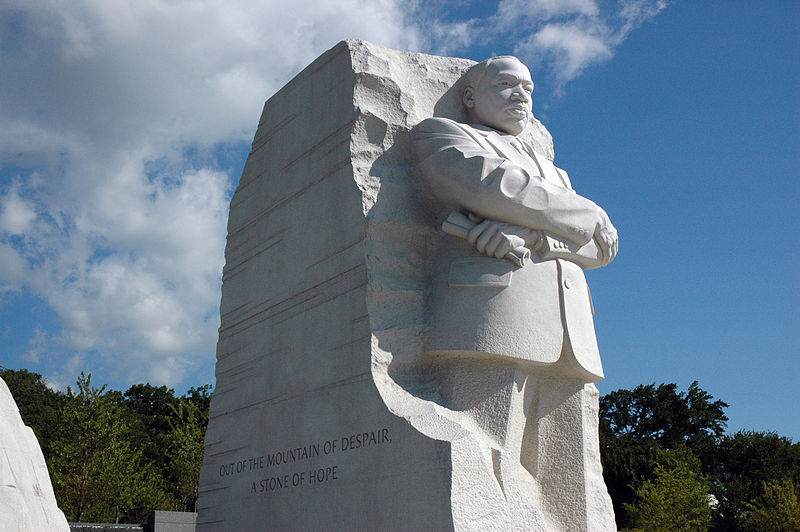 Early last month I posted about the recently dedicated monument to MLK Jr. now on the National Mall. I still have not seen the work created by the Roma Design Group and am still withholding judgment. Reviews, however, have been mixed. Michael J. Crosbie of The Atlantic believes it a failure. Charles Krauthammer of the Washington Post is more generous. I’m looking forward to seeing it for myself this winter.
(image/NPS)
12 Monday Dec 2011
Posted in Monuments and Statuary
≈ Comments Off on Prospect Park’s Lincoln
It is always a good start to the day when one can discuss Robert Moses, Frederick Law Olmsted, Abe Lincoln, and the G spot, preferably in reverse order. I am looking forward to seeing Prospect Park’s Lincoln in its new, old location. Pictures coming soon.
11 Sunday Dec 2011
Posted in New York City
≈ Comments Off on A tale of two Brooklyns
 Manhattan Bridge, 1974
In October 1997, just before I moved to New York, I was talking to a longtime friend’s mother on the telephone. I told her about my new job working for one on the public library systems in New York City and my new apartment in Brooklyn. To say she thought I was nuts would be putting it mildly; she thought I was Certifiable. It is easy to understand why. My friend and I grew up in South Florida, where we and virtually everyone–and I mean everyone, probably over 90%–our age was from somewhere else. “Where is your family from,” was a common question on the first day of school, and Brooklyn was by far the most common answer. (My family was from Connecticut.) My friend’s family was originally from Brooklyn and had moved to Florida in the early 1970s. Her Brooklyn was the Brooklyn of the 1950s and 60s, a place of increasing violence and seemingly permanent decline. I remember her words that night vividly: “Nobody moves to Brooklyn. Brooklyn is a place you get out of.” Indeed it was, and for good reason. This trend continued through the 1970s and 80s. Miraculously, for a variety of factors, Brooklyn and the rest of Gotham began turning around in the 1990s. Suddenly young, well educated types began moving to the outer boroughs, making the neighborhoods safer and more desirable. Go into any coffee shop in Park Slope, Carroll Gardens, or Fort Green and you will see what I mean. That was Brooklyn to which me and thousands of other twentysomethings moved during these years–and are still moving today desoite the economic crisis.
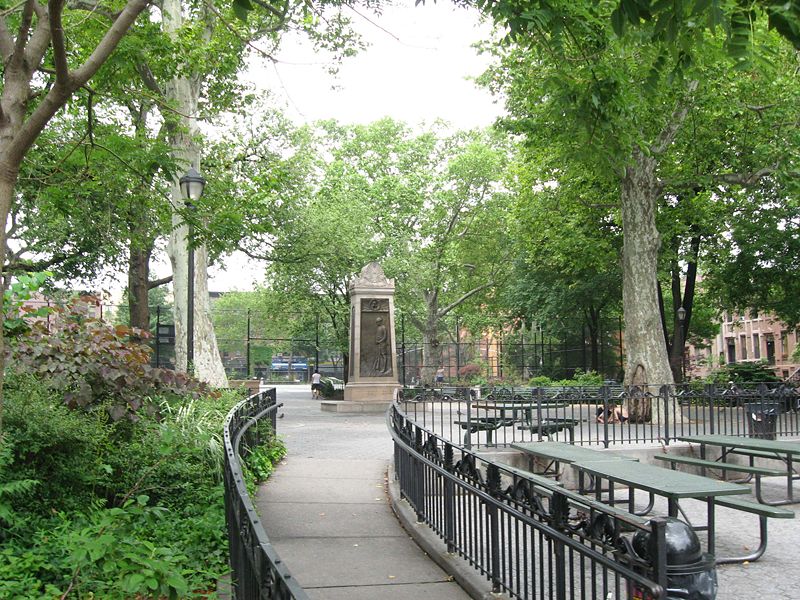 Carroll Gardens, 2008
For the most part the story of Brooklyn over the past two decades has been one of a vitality and rejuvenation that no one could have predicted during the crisis of the 60s, 70s, and 80s. The key words are “most part.” The worst of the worst is over, but there are still pockets of the city lagging behind. For every graphic artist who lives in East Williamsburg, shops at the Red Hook Fairway, and jams in an alternative band in DUMBO on the weekends, there is a Brooklyn family living in different circumstances. I saw this first hand in my time at the public library, where I worked in a corner of the borough so far out it wasn’t even served by the subway system. Kay S. Hymowitz of City Journal tells us how this happened.
(images/top, EPA; bottom, Jim Henderson)
10 Saturday Dec 2011
Posted in Toy Soldiers
≈ Comments Off on Saturday
Hey everybody, it is Saturday night. The Hayfoot went to the U.N. to do some work this morning which left yours truly on his own. I went to a smallish toy soldier in far out Queens. As you might imagine the city was loaded with crowds two weeks before Christmas Eve. Here are a few pics.


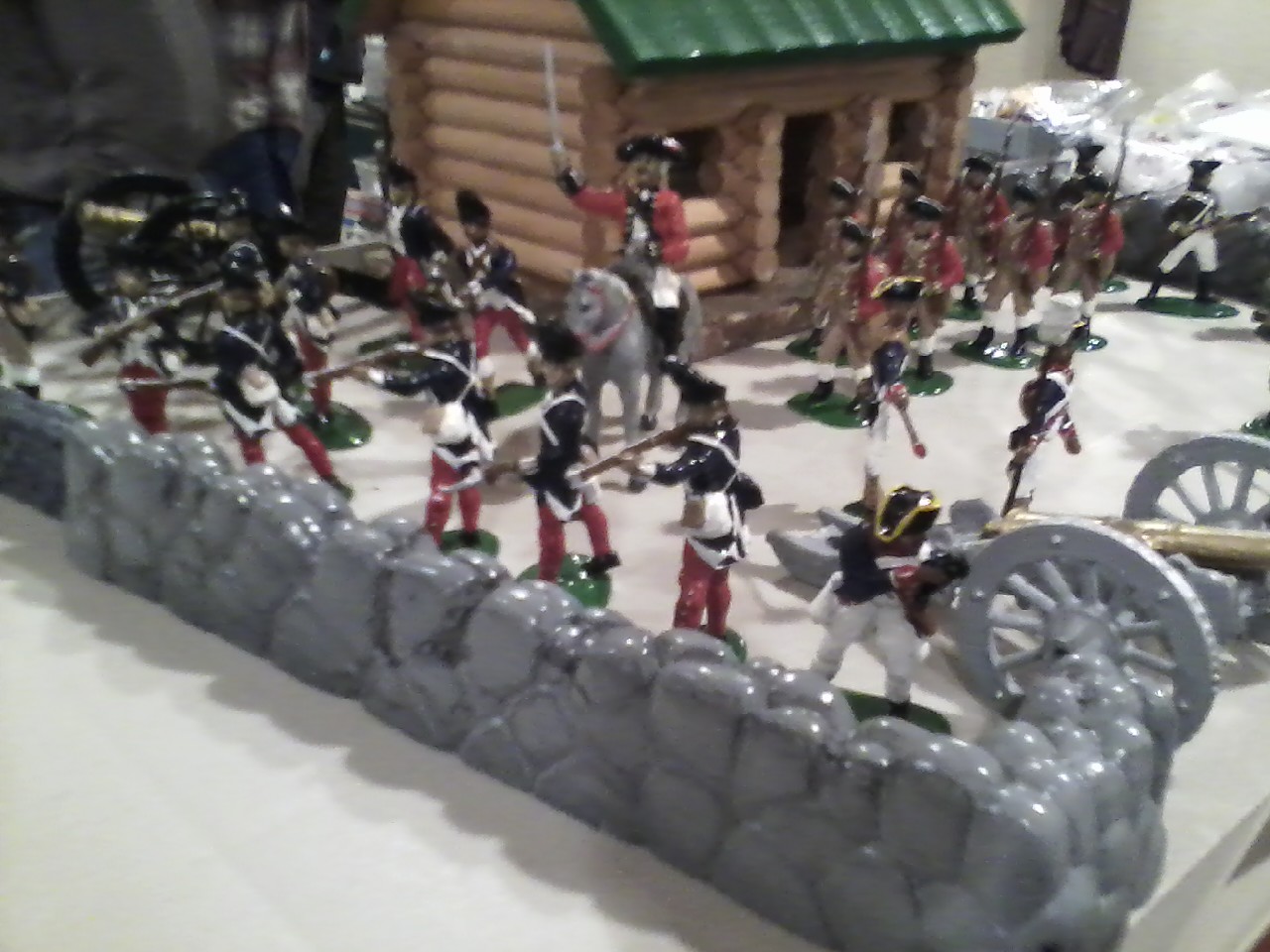
I love these old gloss sets. The story of these miniatures is as fascinating as the history they represent.

Santa was there in his red coupe.


Playsets from the 1950s and 1960s
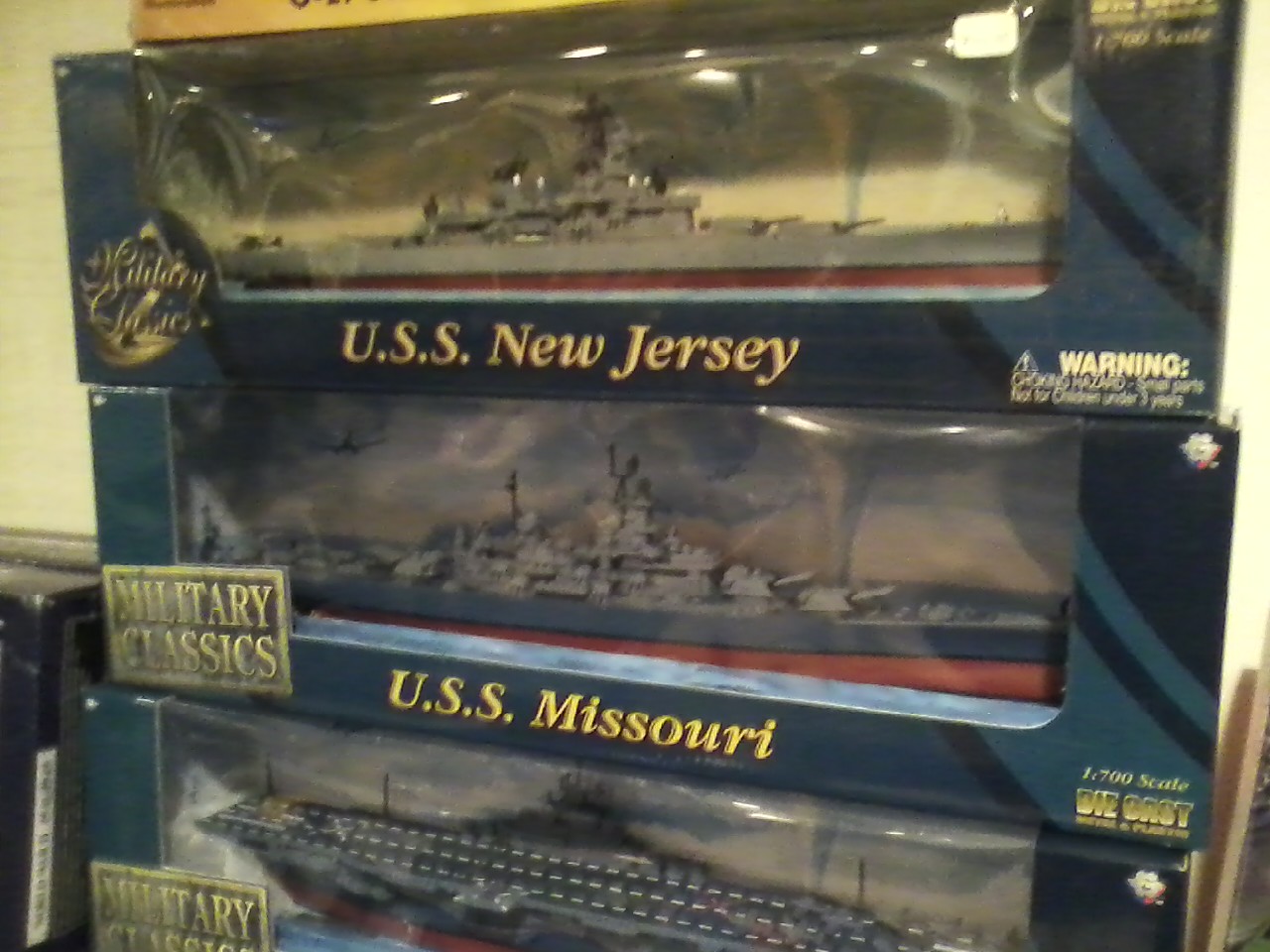
The battleship Missouri was built at the Brooklyn Navy Yard, where the ironclad U.S.S. Monitor had been constructed eighty years earlier. I have not yet had a chance to visit the Building 92 Museum, which opened on Veterans Day. We’ll probably visit this winter. Expect a full report.

It’s all a great excuse to go to my favorite, if out of the way, bakery.

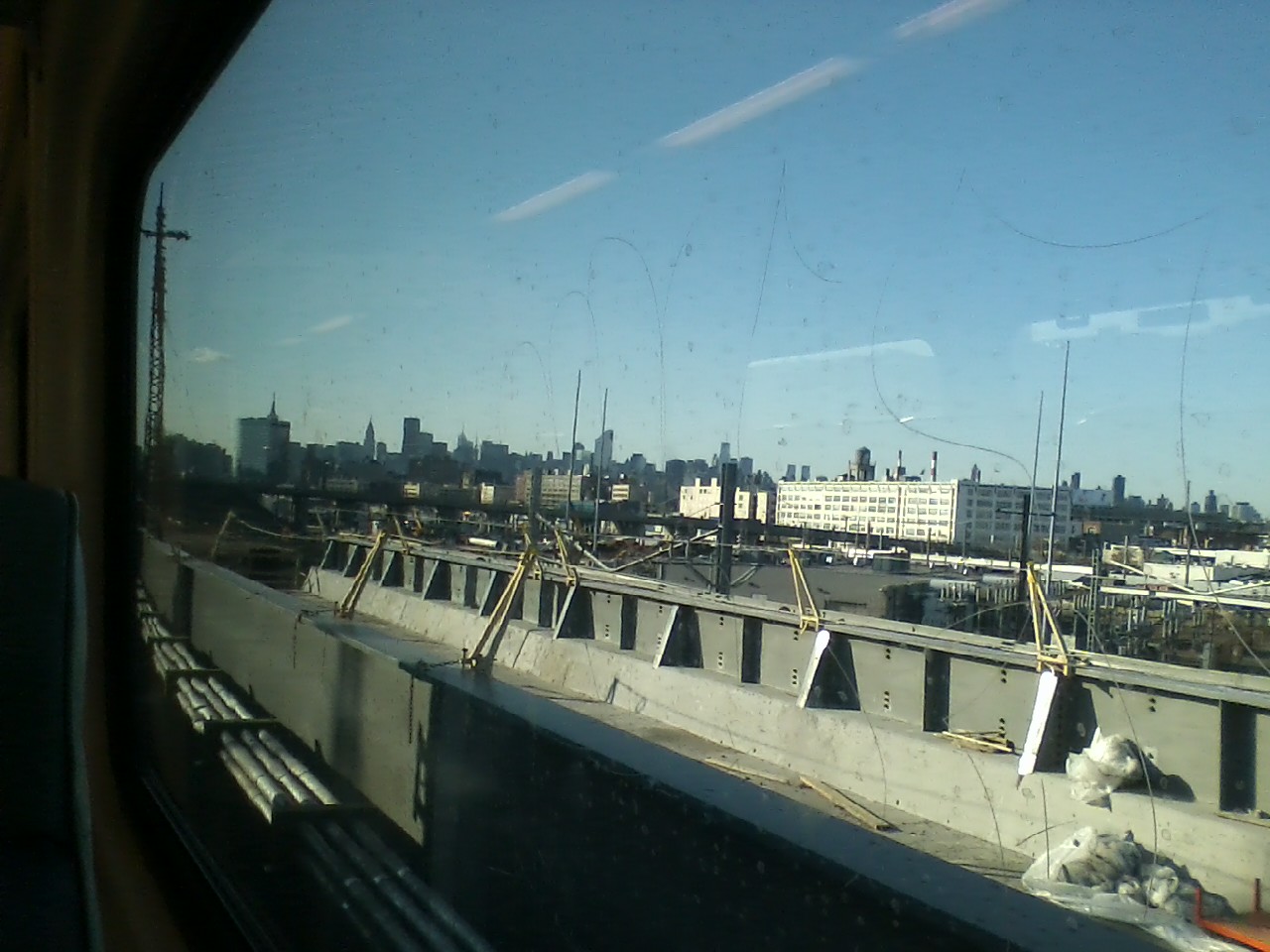
Finally it was back on the train and the city. Overall, not a bad way to spend a Saturday. Now if you’ll excuse us we’re going to cut into that apple crumb pie.
08 Thursday Dec 2011
Posted in Monuments and Statuary, Washington, D.C.
≈ Comments Off on Thank the Great Depression…
 Geddes’ Mothers’ Memorial
The one good thing that came out of the Crash of ’29 was that it put the kibosh on John Geddes’s Mothers’ Memorial, a proposed monument to moms everywhere that thankfully never reached completion. The Mothers’ Memorial is just one of the many monuments, bridges, and other structures that were under serious consideration but never built in the District of Columbia. It gets worse. Here is what John Russell Pope had in mind for the Lincoln Memorial
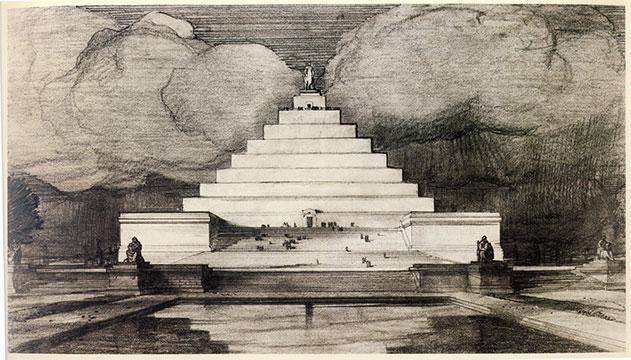 Pope’s Lincoln Memorial
Also on exhibit is a London Toweresque bridge honoring Ulysses S. Grant put to consideration two years after the general’s death. The National Building Museum has these and other monuments to bad taste on display through May 28, 2012.
(Images/top, Library of Congress; bottom, National Archives)
07 Wednesday Dec 2011
Posted in Media and Web 2.0
≈ Comments Off on A magazine of literature, art, and politics
In one hundred and fifty years we have gone from this
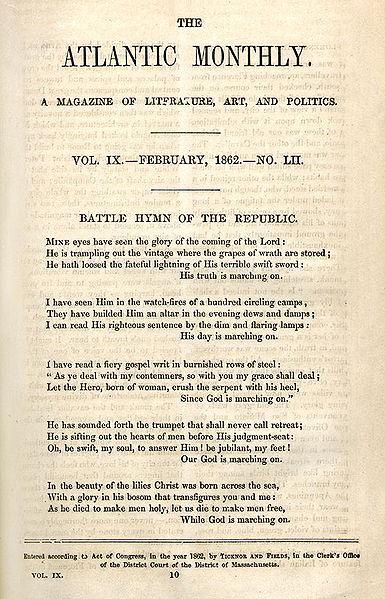
To this
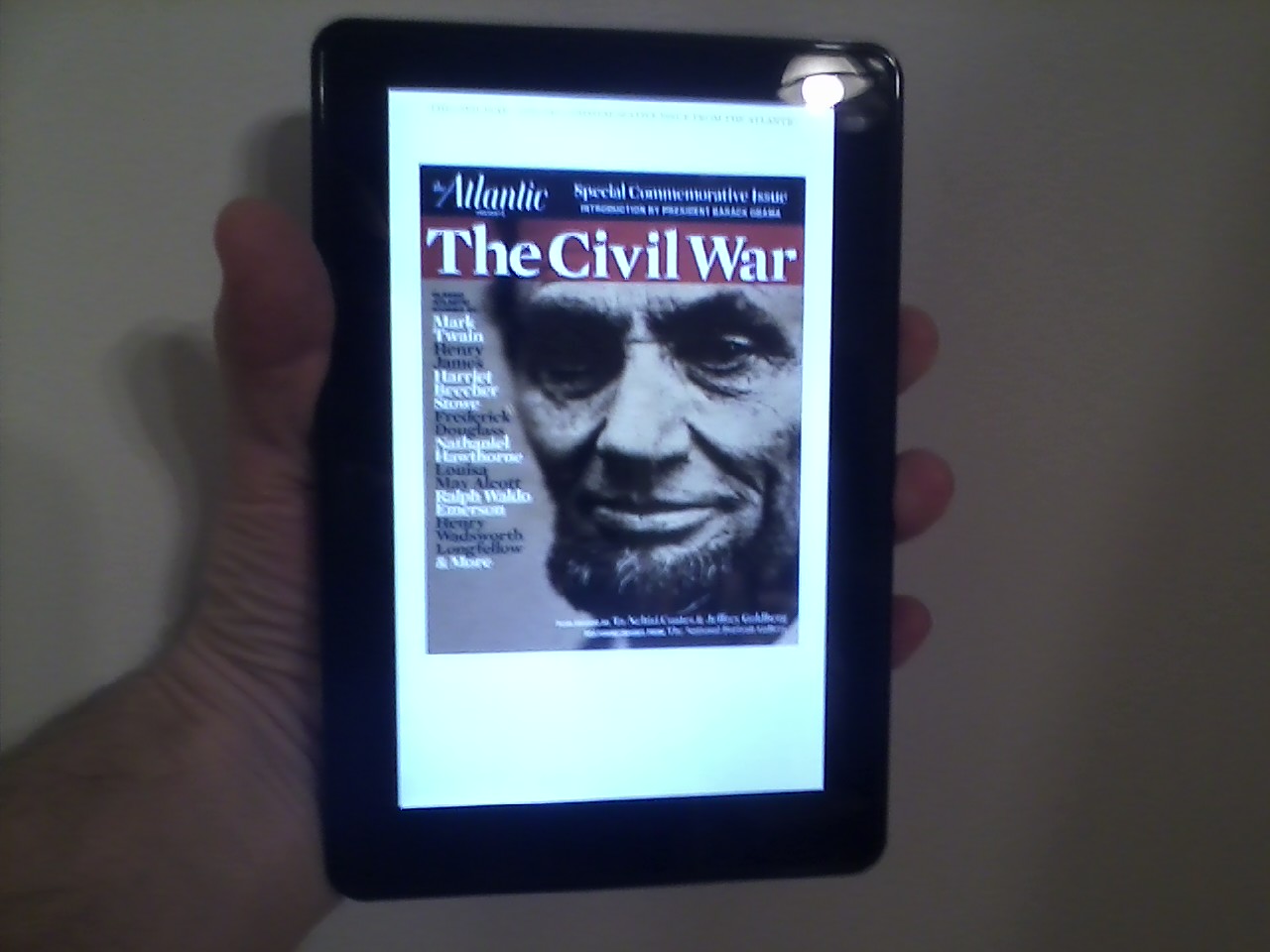
Here is something you would not have heard me say six months ago: I just downloaded a magazine to my mobile device. And it wasn’t just any magazine but the The Atlantic’s Civil War Commemorative Issue. I am looking forward to the essays by Ta-Nehisi Coates and Jeffrey Goldberg. Also included are pieces from The Atlantic’s vaults by Emerson, Thomas Wentworth Higginson, Frederick Douglass, and others. President Obama wrote the introduction.
Since August we have added two Kindle readers, a Kindle Fire, an iPad 1, and a Mac Air to our household. To say it has been a lifestyle change would be an understatement. For one thing, there are cords and plugs in a pile on the living room floor; something is always being recharged. I still have a steep learning curve and there have been some frustrations along the way, but I have enjoyed the process. What is interesting about the Civil War Sesquicentennial is that it has coincided with the mainstreaming of the blogosphere, social media, and mobile reading devices. Whether it was 1861 0r 2011 it is still about the content, though. A day hasn’t gone by since the sesquicentenial began where I haven’t learned something. Exciting times.
07 Wednesday Dec 2011
 Pearl Harbor 2011
A few years ago the father of a good friend of mine happened to be in the food court of a shopping mall on Memorial Day. This is a man, now in his eighties, who served in the Air Force and later played semi-professional football. He still has his leather cleats. Lou is the essence of Old School. Like shopping mall food courts throughout the country, this one was full of teenagers. Striking up a conversation with the 4-5 at the neighboring table he asked them if they knew what Memorial Day was. After the blank stares, one offered that it was a day off from school. My friend’s dad was not impressed.
When I was in school in the seventies and eighties a visit from a World War 2 vet was a HUGE deal, even in the most cynical of times just after Vietnam. (I graduated high school just a decade after the Fall of Saigon.) One vet recounted today that during a recent school visit a girl asked who Pearl Harbor was and why he was there to talk about her.
I offer these stories not to blame our country’s historical amnesia on young people, but to emphasize the educational crisis we face.
I have written about the significance to me of D-Day and aging veterans before. Personally, Pearl Harbor Day 2011 is the end of something tangible, akin to the 75th anniversary of Gettysburg in July 1938 when aged veterans turned out for one final gathering. President Roosevelt was in attendance; three years after dedicating the Eternal Peace Light Memorial in front of the 1,800 veterans and 150,000 citizens that summer day he would tell the country that December 7 would forever live in infamy. Today in Hawaii the Pearl Harbor Survivors Association held its final gathering. There are just too few Pearl Harbor survivors left seventy years later to justify a seventy-first. There will be more World War 2 anniversaries between today and the commemoration of V-J Day in 2015, but for me they will no longer seem the same. By 2015 there will be fewer WW2 veterans, and those remaining will likely be too infirm to participate in any meaningful fashion. Time moves on. It was ever thus.
(image/U.S. Navy)
06 Tuesday Dec 2011
Posted in National Park Service, New York City
A year and a half ago, on the anniversary of the Battle of Brooklyn, my wife, some friends, and I took an organized tour of the battlefield. There is little physical evidence left to tell even the most observant that George Washington once led his troops down Flatbhush Avenue; a cannon here and there, a few plaques, and some witness trees are about it. Still, we walked the sites following the chronology of the battle at least getting s sense of the topography. The talk was conducted by an anthropologist–not historian–from Hunter College. It was one of the best and most informative of the dozens of tours I have been on in my years of visiting historical sites. I had always known of course that much history still lies below our feet waiting to be rediscovered. Laborers, most of them immigrants who had passed through Ellis Island, discovered the centuries-old Tijger when digging the 7th Avenue subway line in 1916. Construction workers unearthed the detritus of everyday Dutch colonial life during the construction of the Word Trade Center in the late 1960s and early 1970s. Last year another ship was found at what is now Ground Zero, this one dating back “only” to the late eighteenth century. Most famous of course is the African Burial Ground, which is now a national monument run by the Park Service. The ABG is commemorating the 20th anniversary of the rediscovery of the 17th century grave. Intellectually I had always known about phenomena like the ones I mentioned above. It is just that it was not until standing there at the entrance to Prospect Park–the very place where we and thousands of other New Yorkers buy their fruits and vegetables every Saturday–hearing this anthropologist talk about the soldiers’ remains likely still present eight to ten feet below us, did it hit home emotionally. It was announced this week that Con Ed workers have unearthed 5,000 new artifacts while digging on Fulton Street this autumn.
Ironically when New York City builds for the future it discovers more of its past.
04 Sunday Dec 2011
Posted in Film, Sound, & Photography
≈ Comments Off on Brady’s camera
 March 1865 Brady letter to Lincoln asking for another sitting
Matthew Brady’s camera sold at auction for $65,725 on November 30th. Heritage Auctions of Dallas conducted the sale. Brady sold the camera when he filed for bankruptcy in April 1873 and photcopies of the insolvency papers are included in the lot. It is believed to be the camera Brady used to photograph Lincoln during his February 1860 trip to New York City. This camera was also part of the New-York Historical Society’s wonderful “Lincoln and New York” exhibit in 2009-10. I remember seeing it there with my father-in-law just before the N-YHS closed for renovation.
Also included is an original copy of the September 23, 1957 Life magazine, in which Ed Clark uses Brady’s camera–yes, the actual camera–to photograph President Eisenhower and others in period poses. Check it out starting on page 118. An added bonus in this edition of Life from the year of the Little Rock segregation episode is a look into the governor’s mansion of Arkansas’s Orville Faubus. You can’t make this stuff up.
(image courtesy Gwillhickers/Library of Congress)
 The Strawfoot