Civil War subway trip

Hey everybody, the Hayfoot and I took a trip earlier this month to Fort Wadsworth in Staten Island.  It is off the beaten path but worth a visit should you happen to be in New York City and have the time.

As always the first stop was the Visitors Center, where this statue of General James Wadsworth stands in the museum.  Wadsworth was mortally wounded at the Battle of the Wilderness in May 1864.

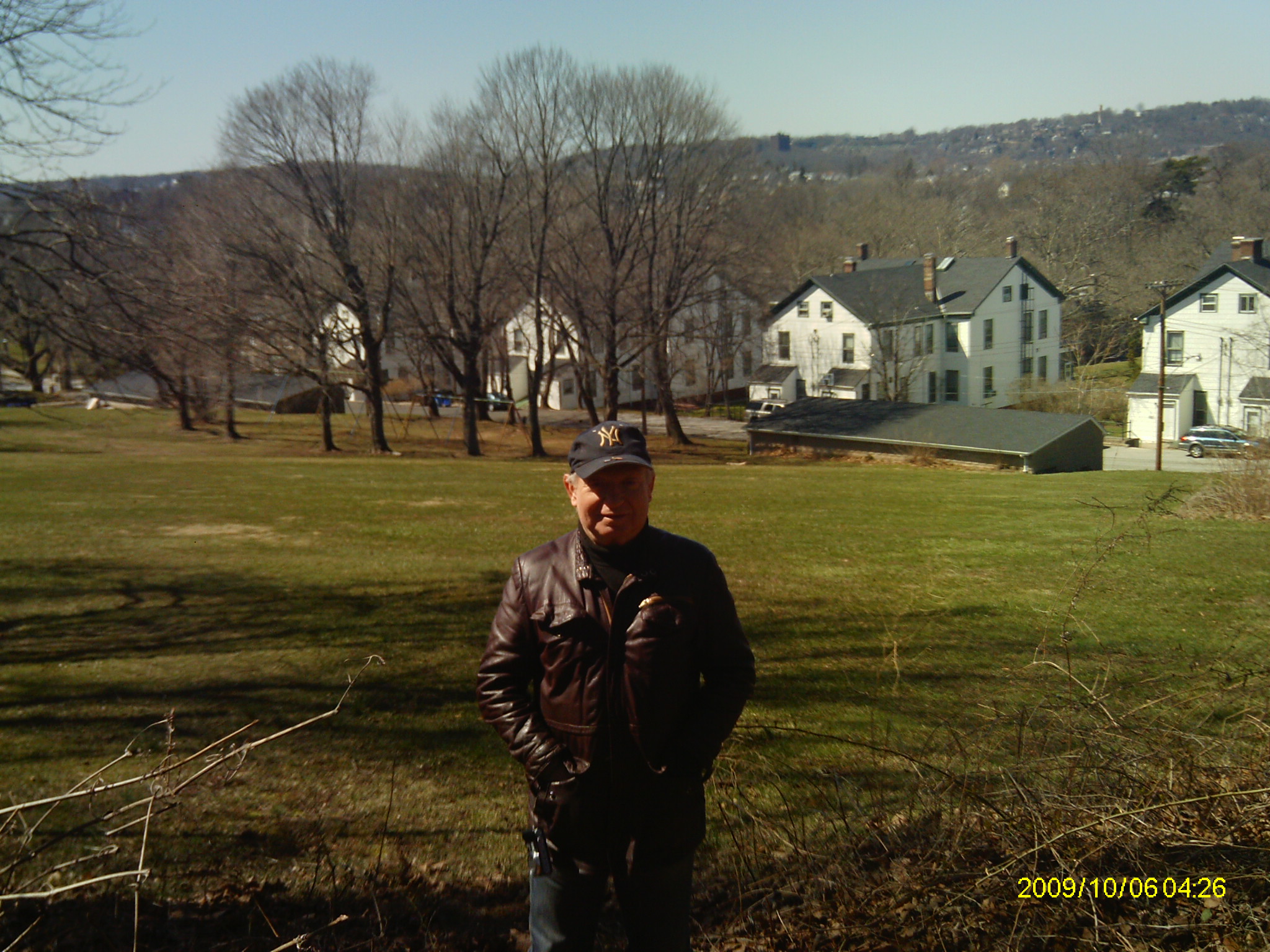
Our friend Sami came with us.  He is a volunteer with the National Park Service at Governors Island and knows a great deal about the city.

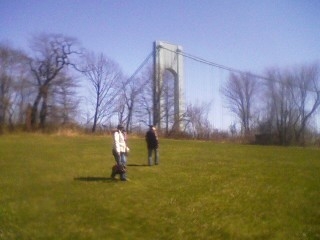
That is the western tower of the Verrazano Bridge.  Fort Tompkins is on the other side of the hill.  That one cannot see it when approaching is intentional.

This is Battery Weed seen from the top of the hill.  The photo was taken from Fort Tompkins.

It is somewhat confusing.  This particular structure was named Fort Wadsworth after General Wadsworth in 1865 and then renamed Battery Weed in honor of Brigadier General Stephen H. Weed in 1902.  Since then the fortifications have been known collectively as Fort Wadsworth.  Weed was another New Yorker and Union general, killed on Little Round Top on July 2, 1863.

It was cold.

Yes, that is Manhattan in the background.  Brooklyn is to the right.

We took a ranger tour of Fort Tompkins.  The knowledge these people have is astonishing.  I have taken dozens of such tours over the years and this was one of the best.
The ranger did a great job explaining the nuances of the fortification.

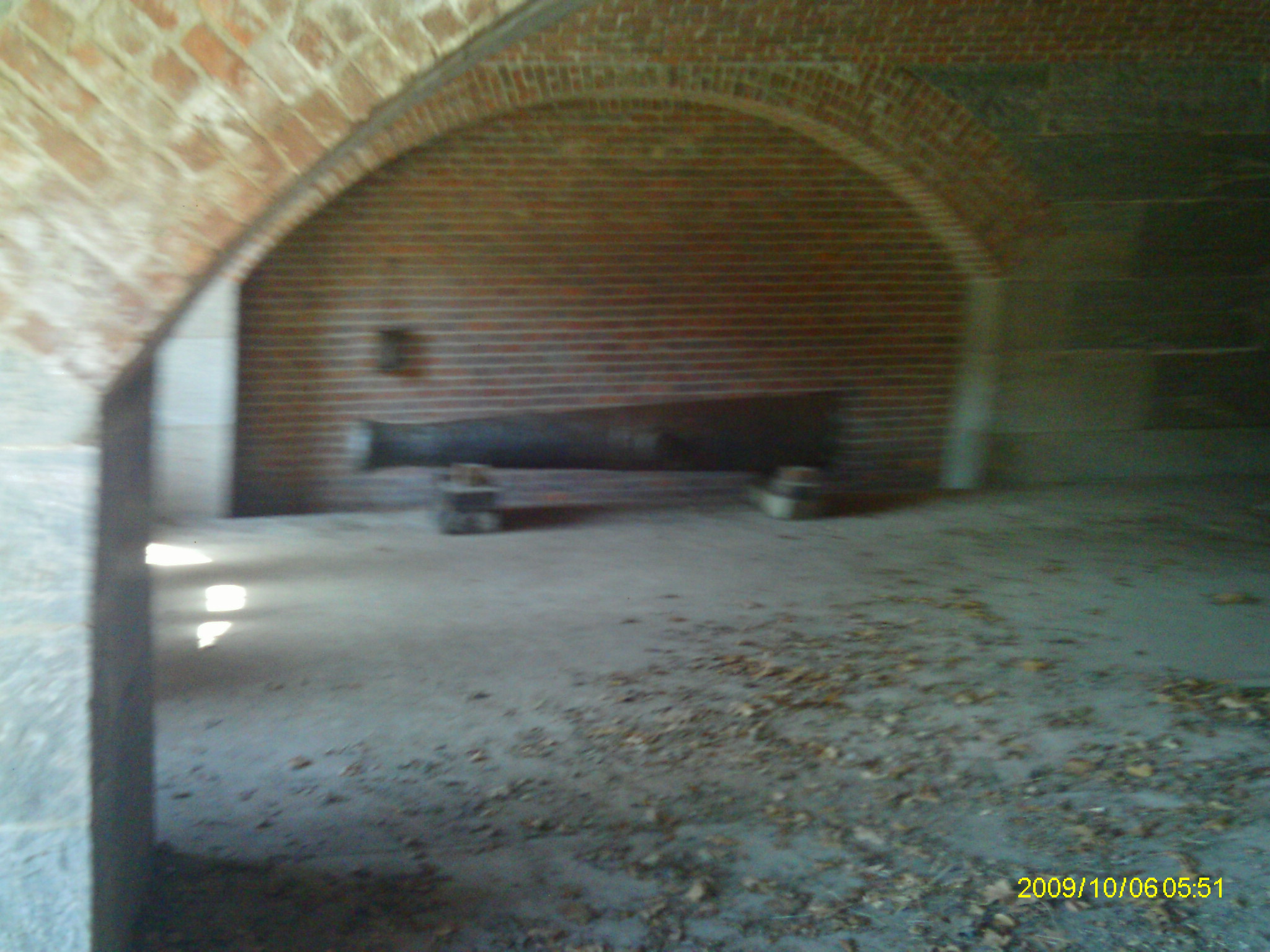
This cannon was unearthed during a construction project in Manhattan and donated to Fort Wadsworth.  The archaeology of New York City is fascinating.  There is so much history unseen below our feet.

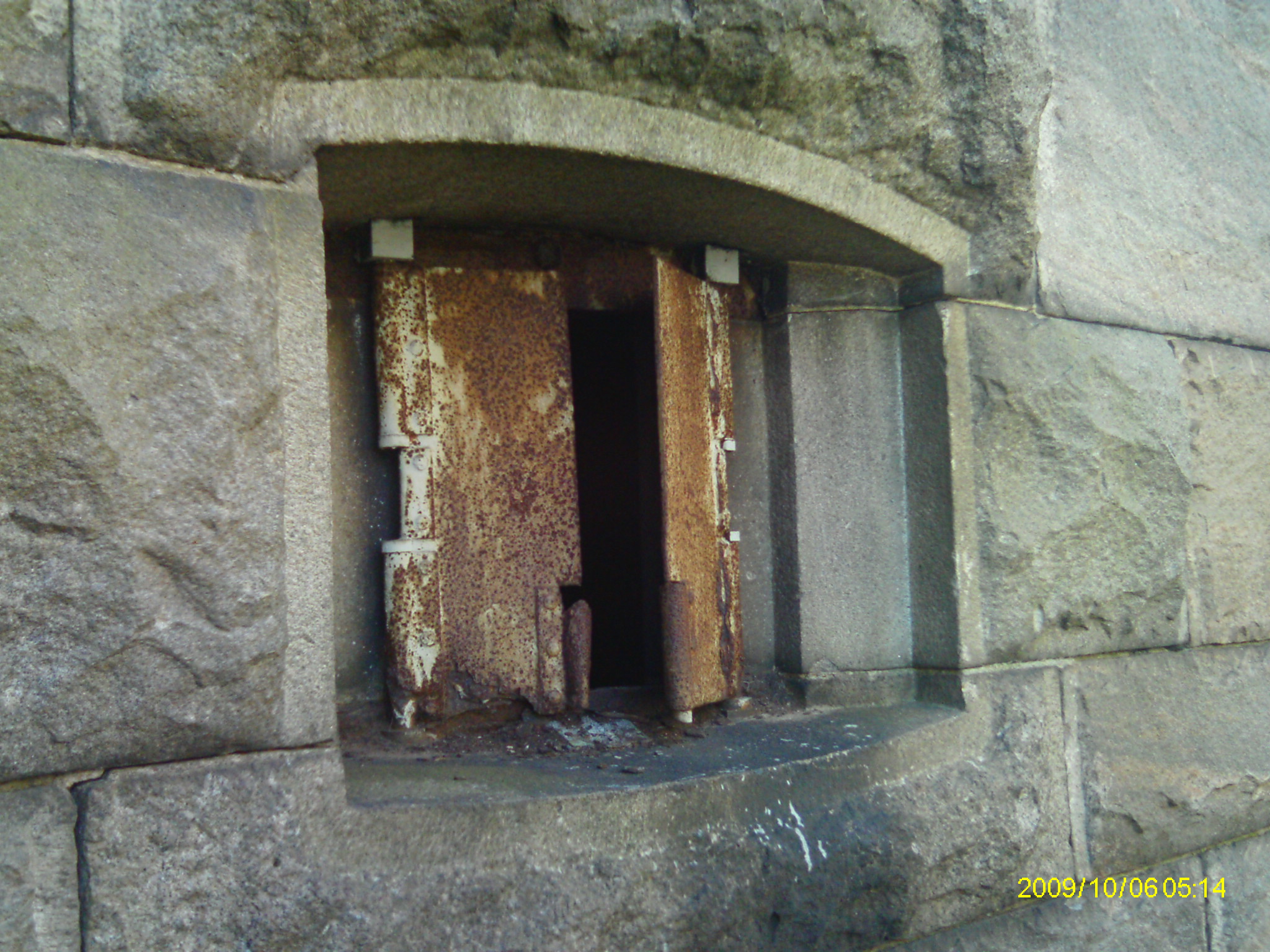
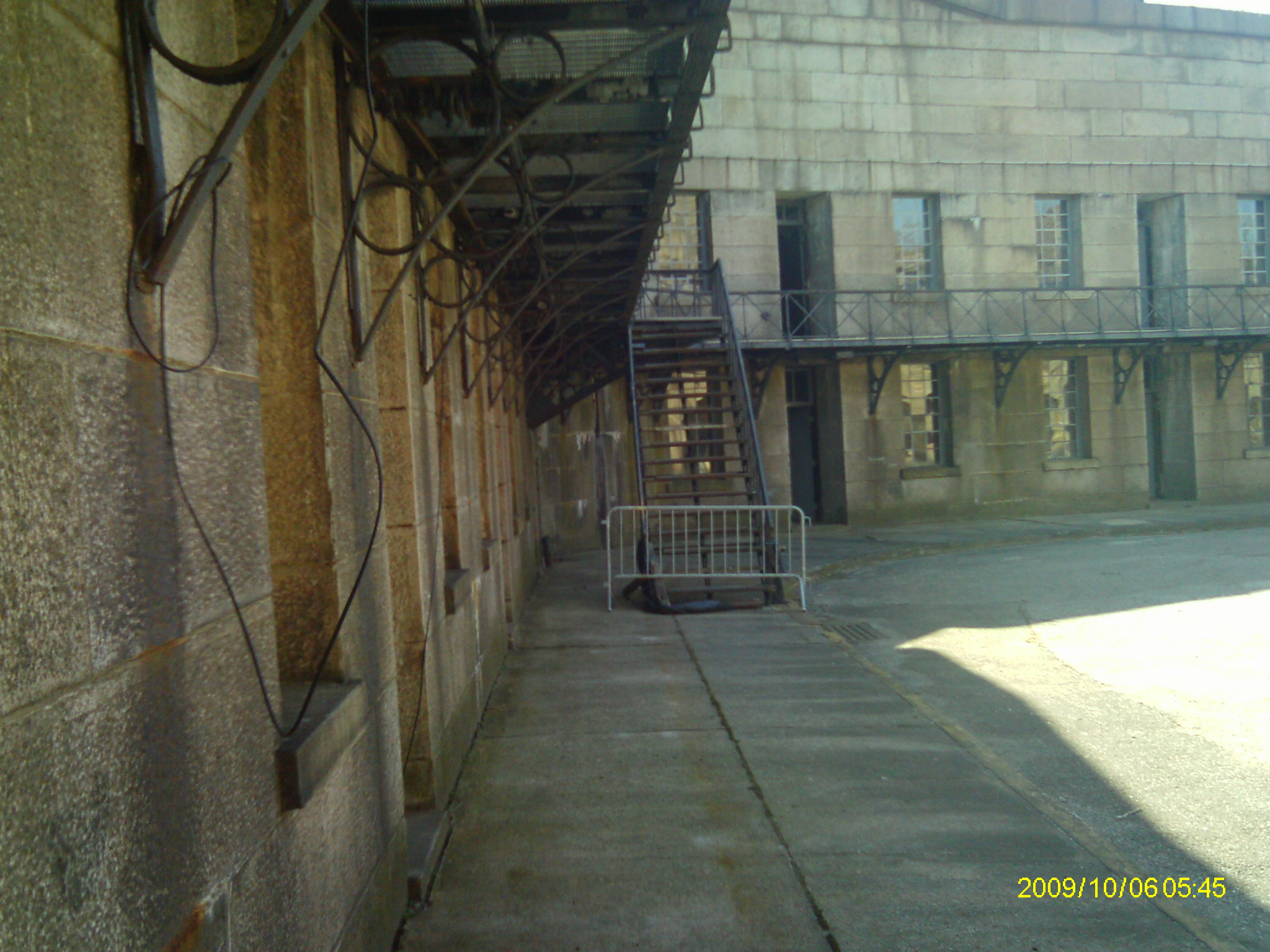
This is one of the entrances to Fort Tompkins.  The ranger explained how troops would have expelled potential invaders.  This is why one has to take a ranger tour, for the details.

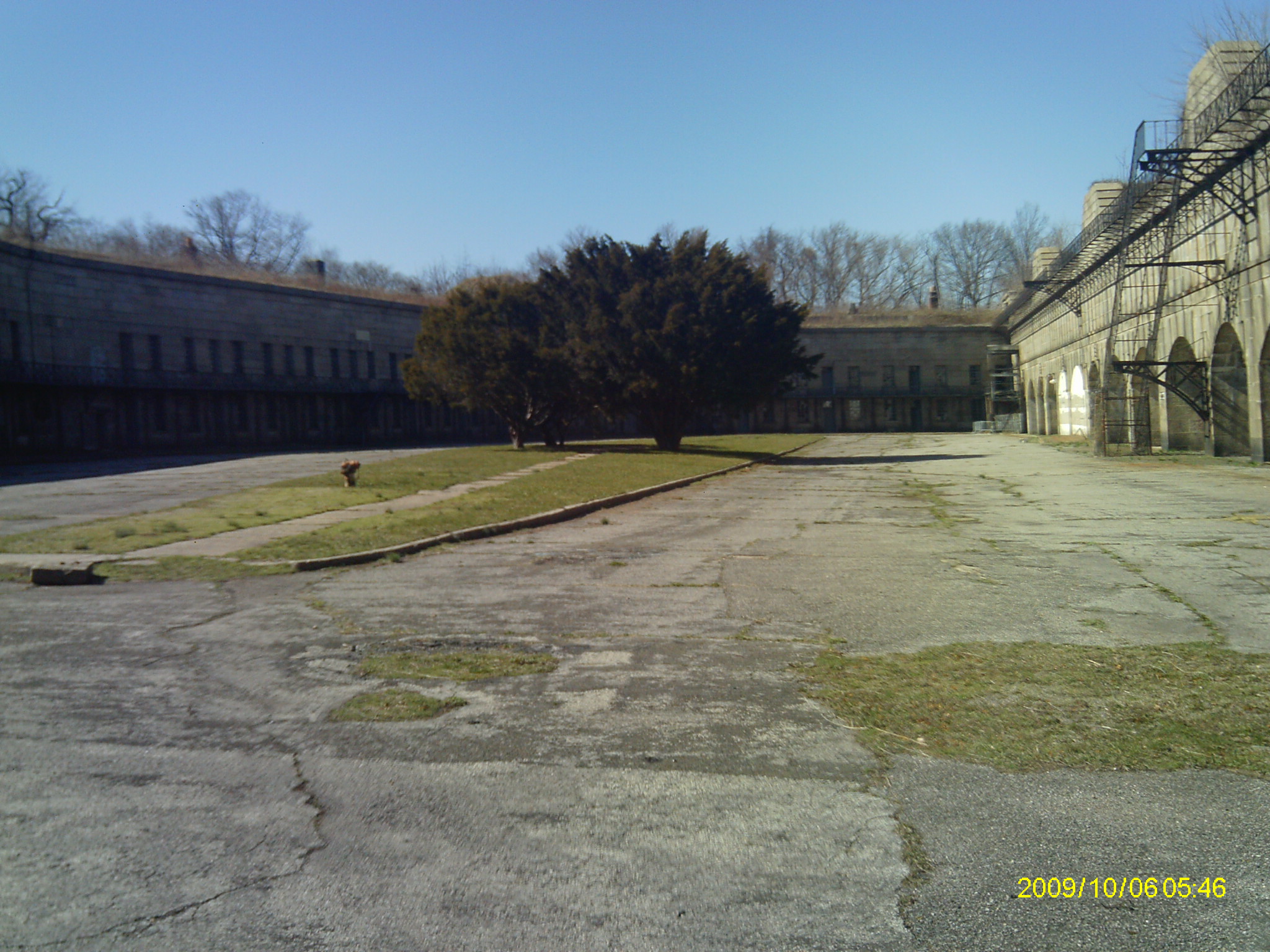
The parade ground

Always pack lunch.

Coming soon: Brooklyn’s Fort Hamilton

Thanks for checking in.


The stillness of William Zinsser

Over the past few weeks one of my weekly rituals has become checking the American Scholar blog every Friday to read the latest installment from William Zinsser.  Born in 1922, Zinsser is a lifelong New Yorker who began writing for the Herald Tribune after a stint in the Army during World War II.  He went on to freelance for most of the leading magazines of the mid-twentieth century, teach at Yale, edit the Book-of-the-Month Club, and publish eighteen books of his own.  Now, approaching his ninetieth year, he has thankfully taken to the blogosphere with “Zinsser on Friday.” And oh yes, he moonlights playing a little jazz piano in the local clubs as well.  For over half a century he has shared his mantra with students, fellow journalists, and the public-at-large: simplify your language and thereby find your humanity.  Recently he turned his attention to Appomattox, the 146th anniversary of which is today.

Tartan Week wind-up

Hey everybody, as I mentioned in a previous post the annual Tartan Week celebration came to Ellis Island this past weekend.  There was a sizable turnout to see the exhibit, performances, and the unveiling of the new tartan design.

As always, the bagpipers put on an excellent performance throughout the day.

This guy was spinning plates and entertaining everyone who walked past.

Photo op

There is something for everyone at Ellis Island, the Gateway to America.


Play ball!

Hey everybody, Opening Day was last Thursday but that seemed a little early for a baseball post so I waited until today.  I was in Green-Wood Cemetery this past weekend and came across a few very special figures from baseball history.

It is now recognized that Union General Abner Doubleday did not invent baseball.  This was total fabrication.  Indeed, he probably knew nothing about the game.  No one person invented baseball; it was inspired by cricket and rounders and evolved independently in different locations throughout the country in the decades before the Civil War.  Still, there is one person who probably did more to institutionalize the game than anyone else: Henry Chadwick.  Chadwick ironically enough was an Englishman, who came to the United States as a young man and settled in Brooklyn.  What is so interesting about Chadwick is that he encompassed both the rational and literary aspects of the game.  He was a numbers crunching statistician who also cared about the written word.  For starters he invented the box score and wrote the first hard cover monograph ever written about the National Pastime, The Game of Baseball, in 1868.  Base hit, left on base, and chin music are just a few of the terms this Englishman added to the American lexicon.

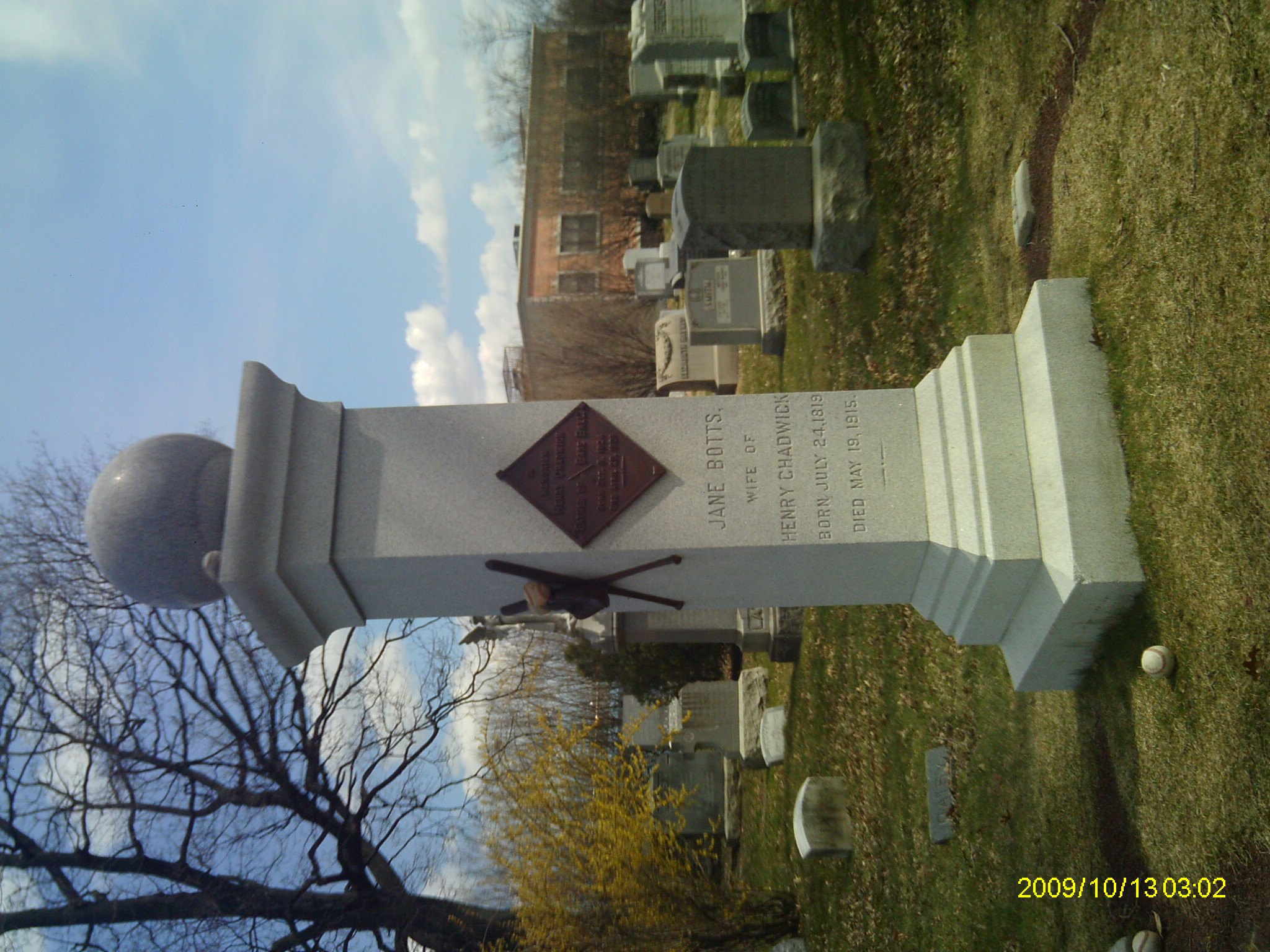
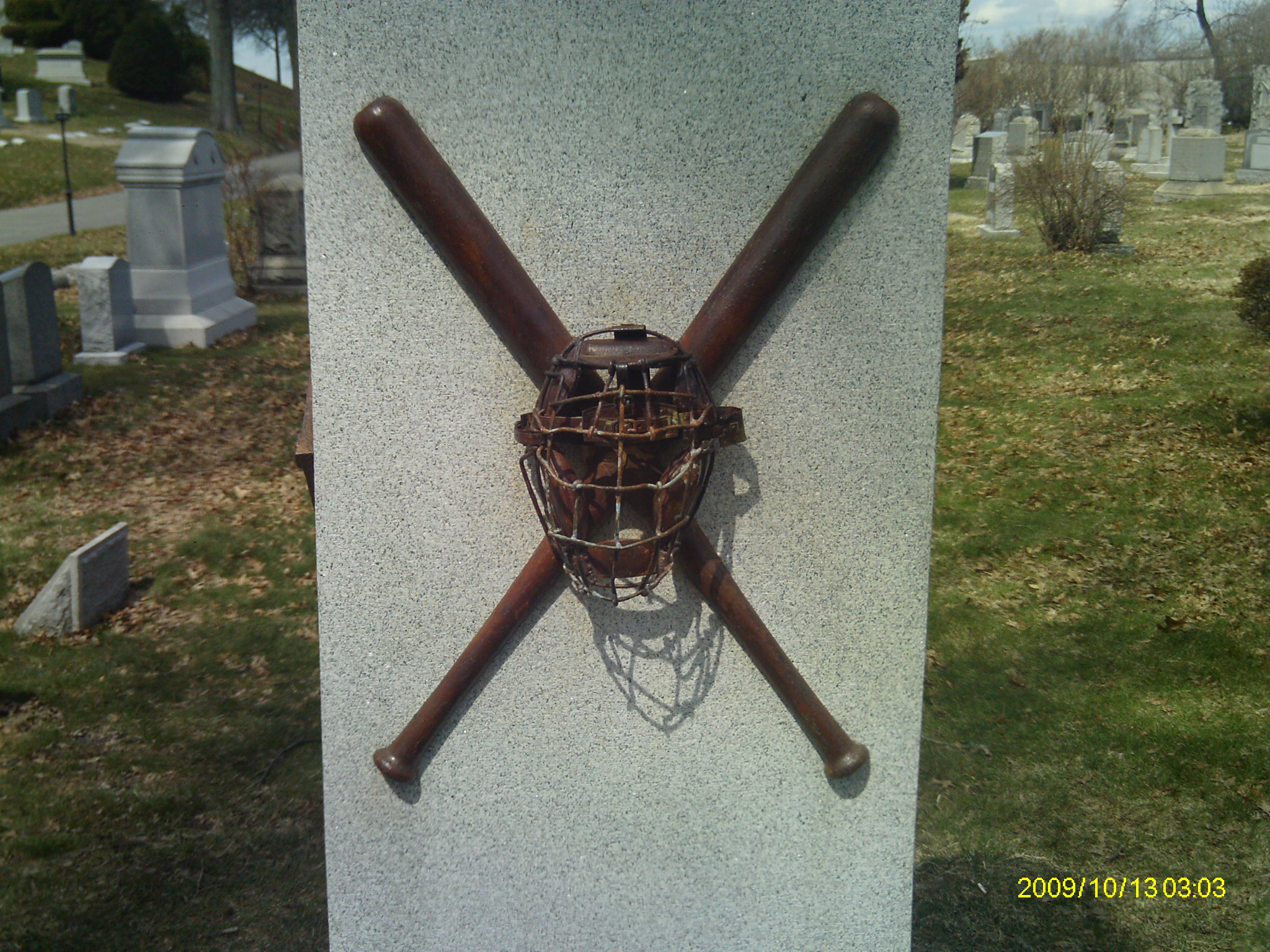
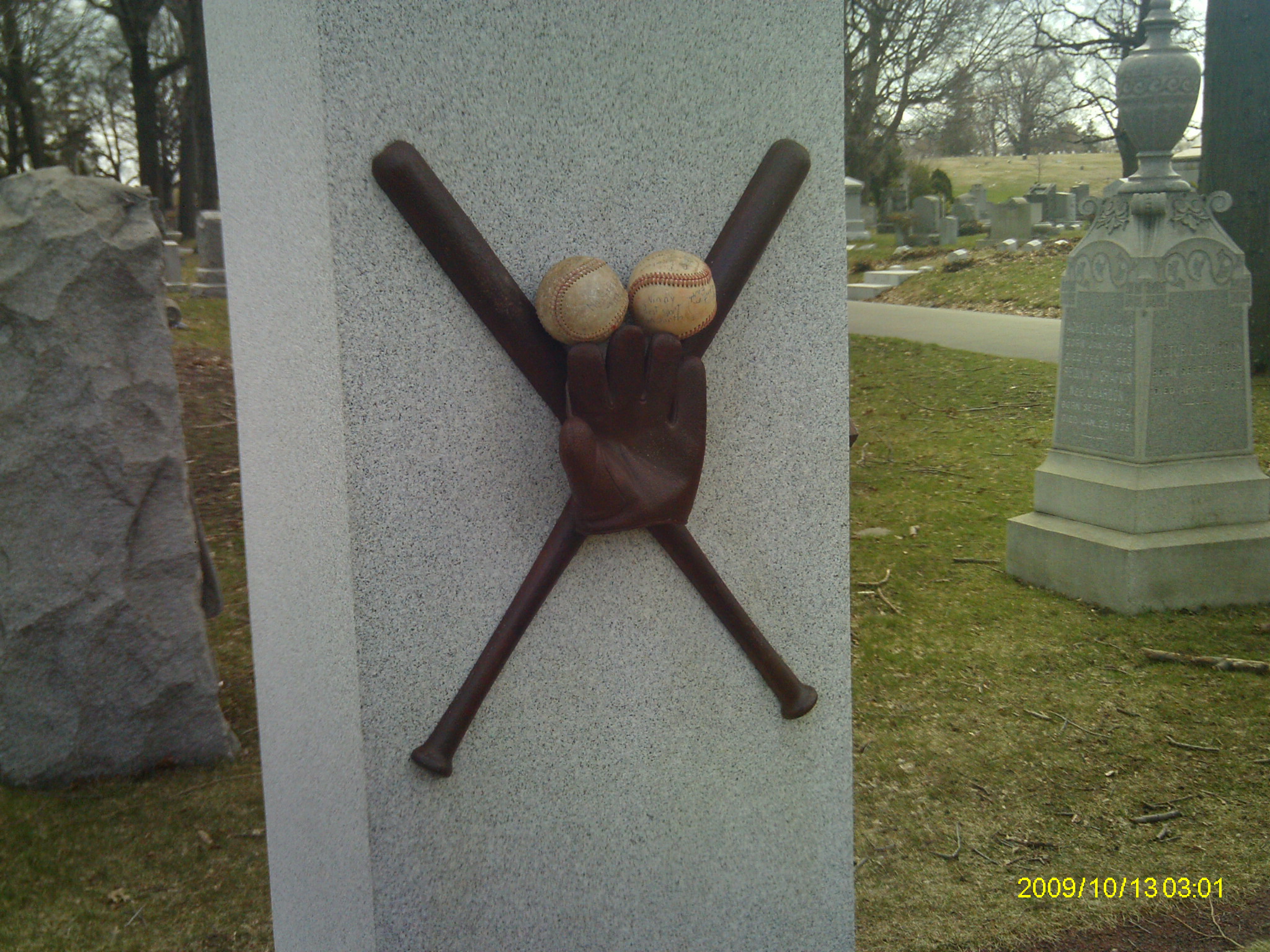
Chadwick and his wife rest here.

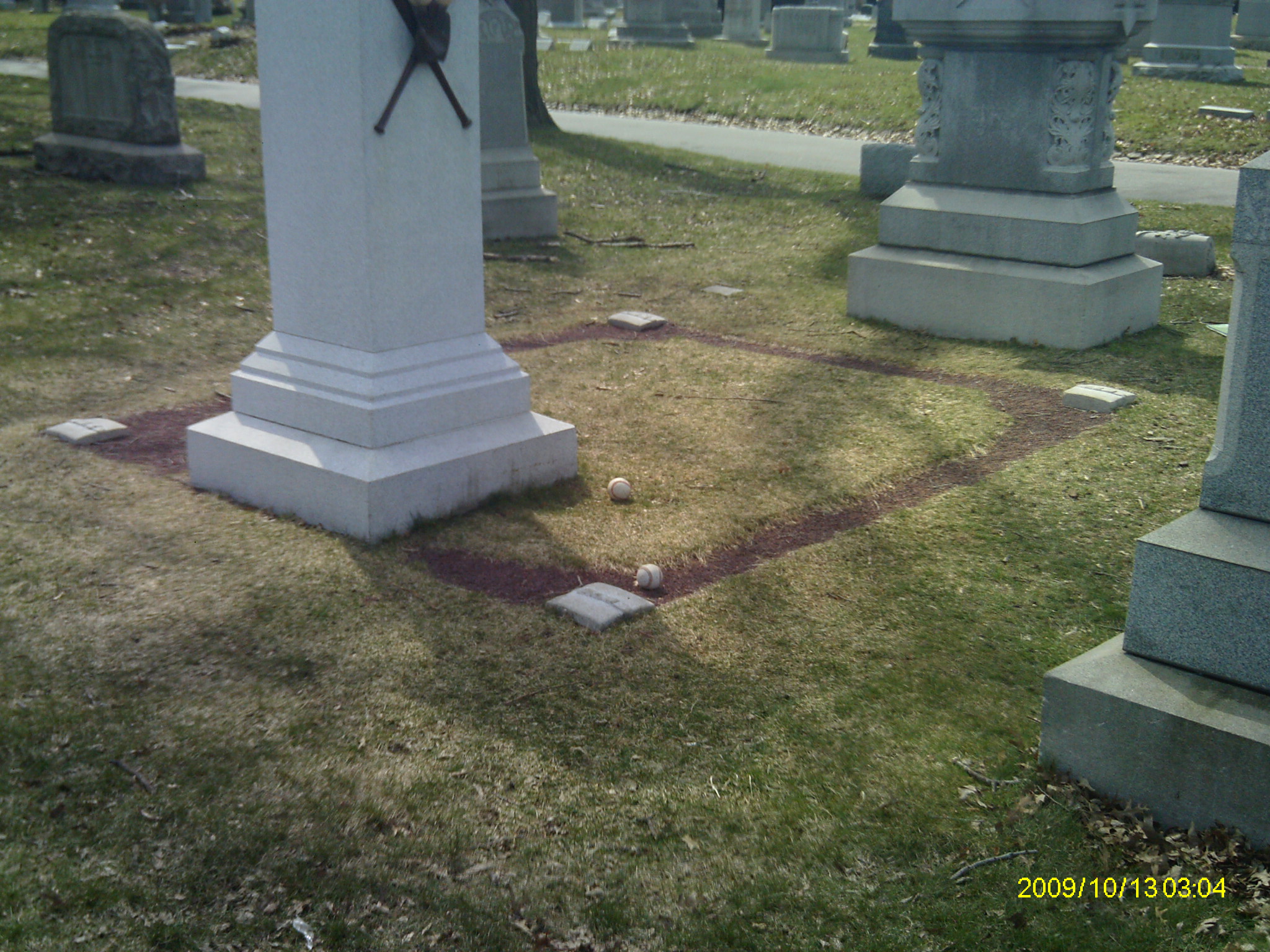
The baseballs are not put of the monument but were left by visitors.

I love the base paths around the headstone.  Chadwick died in 1908 and the monument was dedicated a year later.

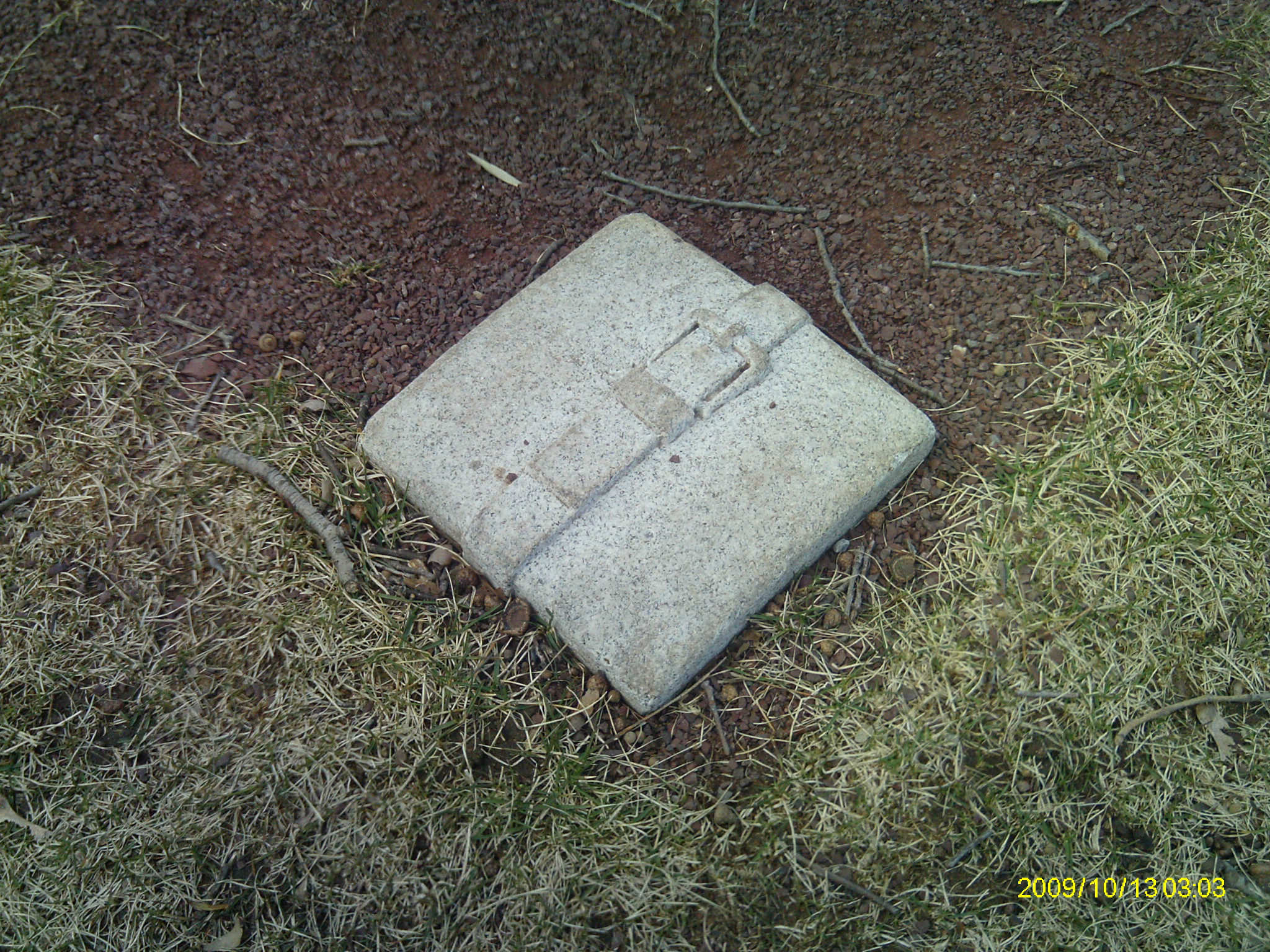
The bases are made of granite.  The belt buckle is a great detail.

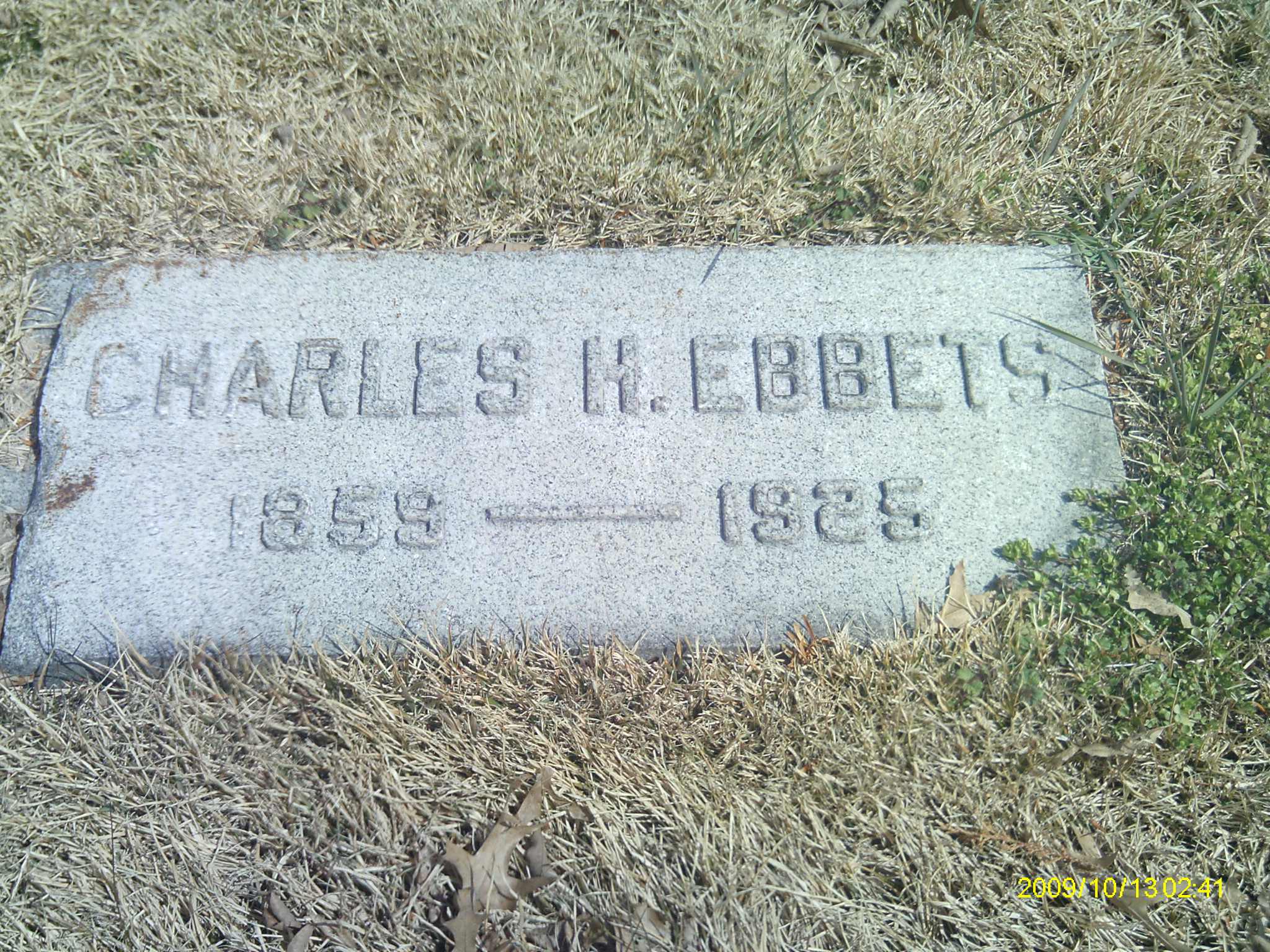
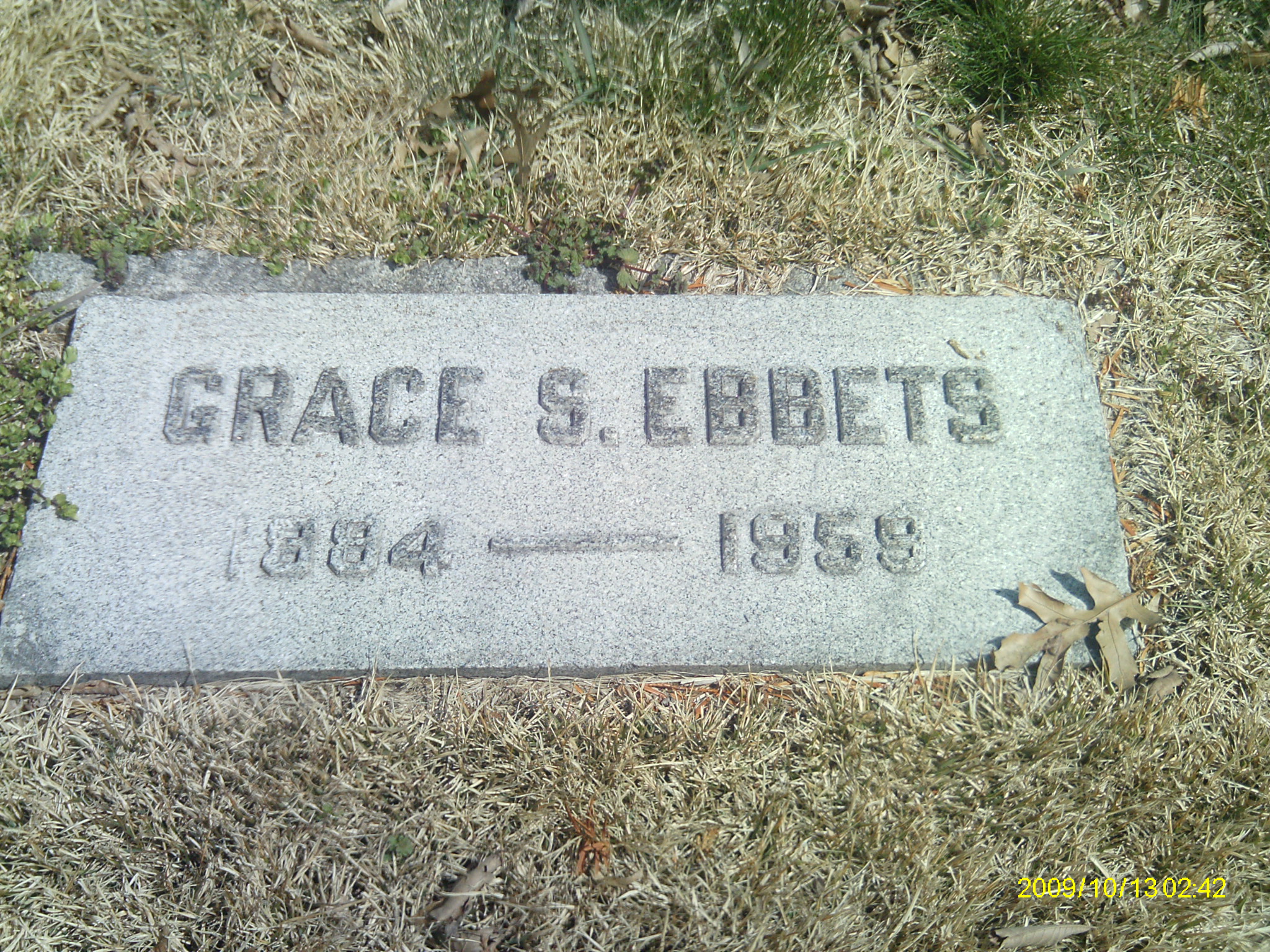
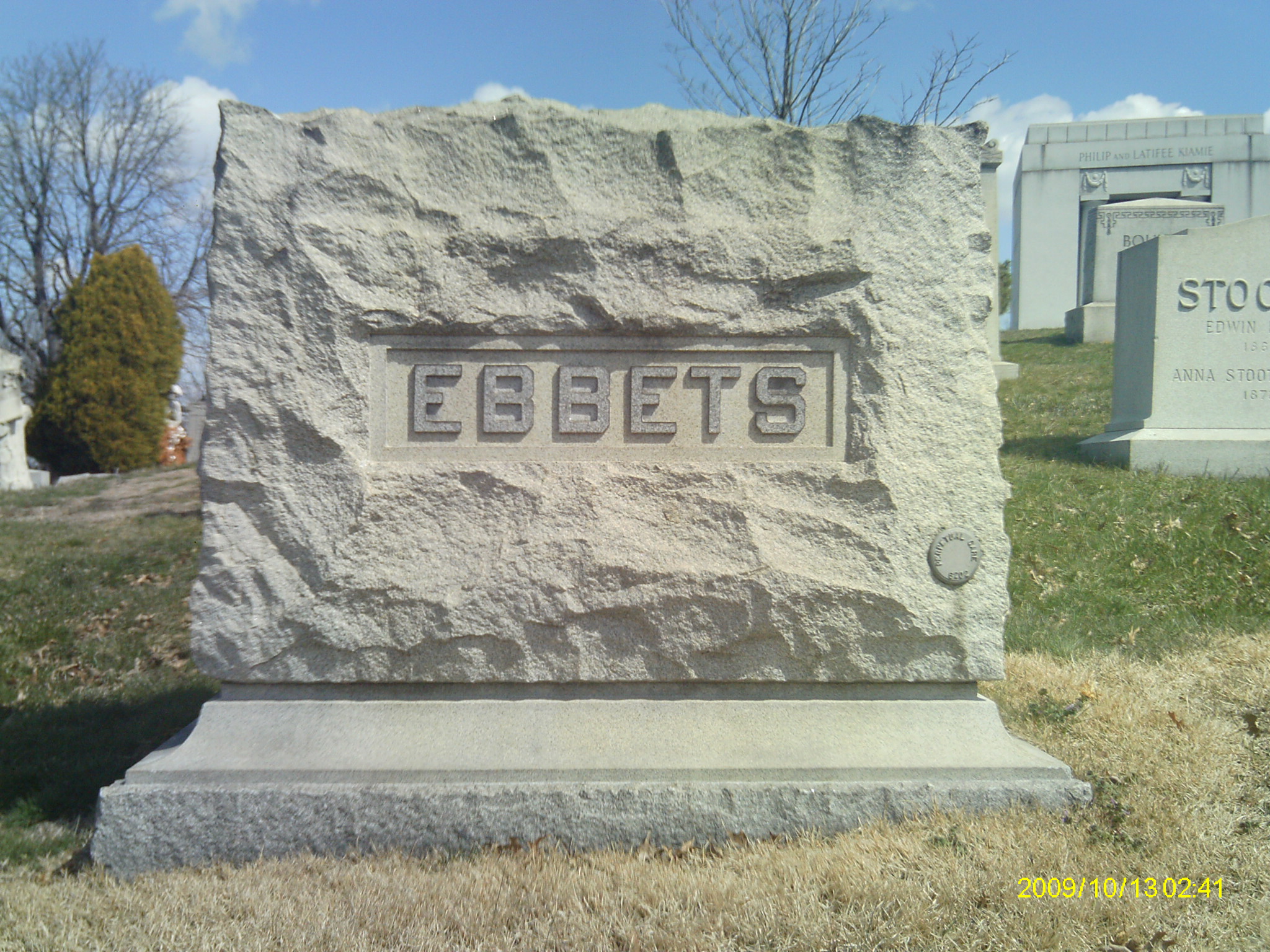
The precursor to the Brooklyn Dodgers started play as a minor league team in 1883, the same year the Great Bridge opened.  The team eventually joined the National League of course.  Charles Ebbets bought the team outright in 1902.  His team moved into Ebbets Field in 1913.  Ebbets was one of many ballparks built in the decade after the first World Series in 1903.  These include Pittsburgh’s Forbes Field (1909); Washington’s Griffith Stadium (1911); Fenway Park, Tiger Stadium, and Crosley Field (1912); and Wrigley Field (1914).  The Dodgers played in Ebbets Field through the 1957 season, after which they moved to Los Angeles.


The headstone is unassuming and lies on a hill surrounded by others.

I’m so glad baseball is back.  Enjoy your spring.

New York’s (Unofficial) Sesquicentennial Commission

As followers of this blog know Brooklyn’s Green-Wood Cemetery is one of the great non-battle-related Civil War sites in the nation.  Over the past decade cemetery officials have done the city, indeed the entire country, a great service by identifying and marking the graves of the thousands of Union and Confederate dead interred there.  Many of these graves, and the stories of those buried in them, would have been lost to history if not for the efforts of cemetery officials and the volunteers who assist them.  Walking the grounds one sees their work.  The cemetery also hosts a number of Civil War (and other) programming.  Now Green-Wood Cemetery will play an even greater role in the war’s commemoration; earlier this week it was named New York City’s official Civil War Headquarters.

The work that Green-Wood and other institutions are doing is more important than ever.  Because of the state’s massive budget deficit, government officials have declined to fund an official New York State Sesquicentennial Commission.  In contrast, Virginia has given $2 million annually for its sesquicentennial commission since 2008.  Given New York’s budget woes, withholding funds makes sense financially.  Nonetheless someone must fill in the breach and, thankfully, many institutions and individuals have.  A cursory look at organizations planning Civil War related programming in New York City over the next fours years include: Green-Wood, the New-York Historical Society, the American Jewish Historical Society in cooperation with Yeshiva University, the public library systems, and of course the National Park Service’s myriad New York agencies.

It is not just the city where events are underway.  For instance, the New York State Military Museum in Saratoga Springs hopes to have a series of exhibits between now and 2015.  There is much to highlight.  New York provided more troops to the war effort, 450,000, than any other state, ten percent of whom never returned.  Many of the leading figures of the era also resided at least for a time in the Empire State, including Walt Whitman, John Brown, Harriet Tubman, George Templeton Strong, Secretary of State William Seward, and Frederick Douglass.  In addition there are sites such as the Brooklyn Navy Yard, Elmira prison, and the factories that churned out much of the materiel for the war effort to remember and hopefully maintain.

All of this is being done without the recognition of a state-sanctioned body.   Thankfully a group of New Yorkers have organized to plan and coordinate these activities statewide.  Even if no funds are forthcoming with luck Albany may give the New York State Civil War Sesquicentennial Commission its official imprimatur.

Stanley Bleifeld, 1924-2011

(Courtesy: Wikimedia Commons)

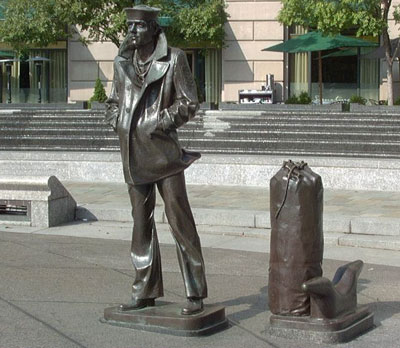
Brooklyn-born sculptor Stanley Bleifeld has died.  When we were in D.C. earlier this month we saw his “Lone Sailor” at the U.S. Navy Memorial near the National Archives.  If you believe you have seen this elsewhere, you may be correct; copies stand in nearly a dozen cities across the country.  The World War II navy veteran was equally renowned for “The Homecoming,” his tribute to the always emotional return of a sailor to port and family.  A lifelong Brooklyn Dodger fan, Bleifeld executed “Pitcher” and “Catcher” at the Baseball Hall of Fame in the late 90s.  This work depicts southpaw Johnny Podres throwing to Roy Campanella in game seven of the 1955 World Series.

(Podres to Campanella, Courtesy: Find Free Graphics)

Bleifeld was active up to the end.  Satchel Paige’s daughter Linda Paige Shelby unveiled Bleifeld’s homage to her father at the Hall of Fame in 2006.  Just three years ago the octogenarian completed “It Seemed Like Reaching for the Moon.”  This eighteen-piece tribute to the Civil Rights Movement in Richmond, Virginia was a fitting culmination to a varied and prolific career.

Scottish plaid

Hey everybody, it is spring in New York and that can only mean one thing.  Yes, it’s Tartan Week here in New York.  Because we do things bigger in the Big Apple the “week” will last thirteen days.  Another round of Glenfiddich all around.  In all seriousness, should you happen to be at Ellis Island this coming weekend be sure to see “A Celebration of Tartan” on the second floor of the museum.  The exhibit, produced by the Clan Currie Society, will be on display Friday through Sunday.  There will be singing and dancing throughout the festival and on Sunday April 3 the Rampant Lion Pipe Band will play.  Here is a clip from last year.

Counting the dead

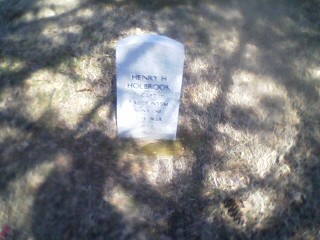
Hey everybody, it’s early Sunday afternoon.  I just got back from a brisk walk in Green-Wood Cemetery.  I was not there looking for Civil War graves per se, but with over 3,000 Union—and numerous Confederate—soldiers interred there it is inevitable that one will come across them.  Above is Captain Henry H. Holbrook, an officer who survived the war, died several decades later, and now rests next to his parents here in Brooklyn.  It is not a contest but I have always believed New York State had the greatest number of Civil War dead with 46,000 killed—more than 10% of the war’s total.  This should not surprise us given that according to the 1860 census New York was the most populous state North or South.  Pennsylvania and Ohio were the second and third most populous.

There is an interesting piece in yesterday’s WSJ about current efforts to tally the Civil War dead.  Such disputes have been going on since the guns fell silent and are likely to continue as more records are digitized and made available to scholars and the general public.  Arguments like this are part of a larger phenomenon—all too human to our nature, I suppose—in which people’s claims to history come at the expense of others’.  Most bitter regarding the Civil War have been the disagreements between Virginians and North Carolinians.  Tar Heels have often felt short-changed by history, believing that Virginians, all the way up to Lee himself, have gotten credit as the expense of North Carolina.  This is why we now call Pickett’s Charge the Pickett-Pettigrew-Trimble Charge.  It’s important to work harder to better understand the Civil War and its meaning to us today.  Still, one cannot read something like this without a small touch of amusement.

Enjoy your Sunday.