On writing Ellis Island well

For several years in the mid-2000s I collaborated with two teachers and a librarian on a writing and research module at a local high school.  The four of us taught the basics of scholarship to a group of Advanced Placement English and History juniors.  The final assignment was a five-six page paper.  I continually stressed the importance of writing clearly and concisely.  We kicked things off each term with a reading and discussion of George Orwell’s “Politics and the English Language.” One school year, when the budget permitted, we distributed copies of Strunk and White’s The Elements of Style to each student that were theirs to keep.  Most students eventually “got it,” but I was always struck by how tenaciously some clung to the belief that pretentious, ornate prose was the way to the teacher’s heart and a good grade.  In his most recent “Zinsser on Friday” posting, the incomparable William Zinsser recounts a challenge once posed to him by an editor: submit a travel piece not to exceed 300 words.  Not wanting to stray too far from home, he selected a certain island “a mere subway and ferry ride away.”  Read the results.

How to visit a Civil War site, part 2

Hey everybody,

This is the second of a two part series on visiting Civil War battlefields.  In case you missed it, part one is here.  There has never been a better time to experience our Civil War sites than today.  I hope you are able to visit at least one during the sesquicentennial.

Rule 6:  Don’t be frustrated by how little you know

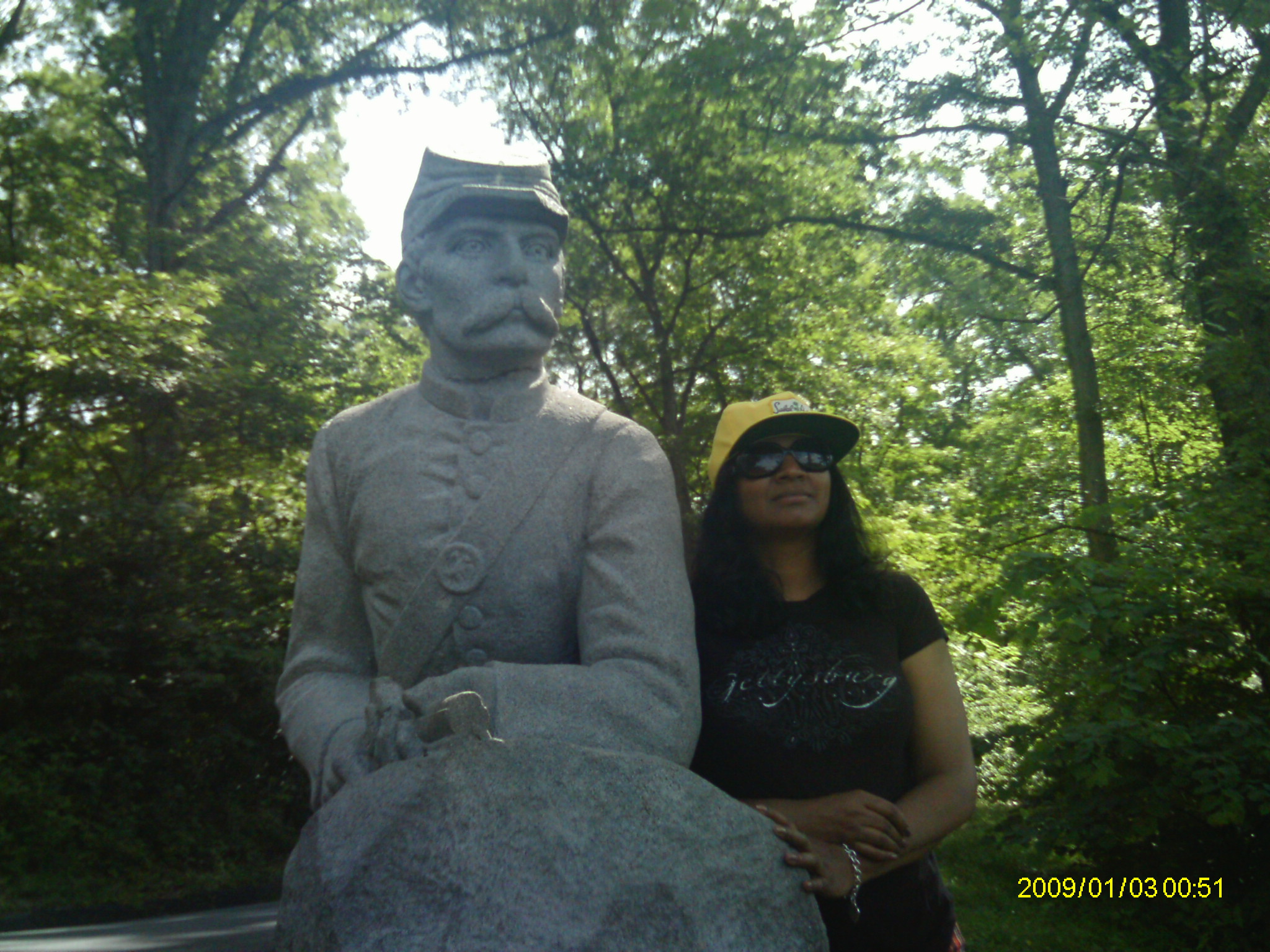
The first time I visited Gettysburg, in 2008, I realized just how little I knew of that campaign.  I’m no Harry Pfanz, but my knowledge of events in southern Pennsylvania in June and July 1863 is now considerably greater than it was three ago.  Acquire an awareness of the site before visiting, but realize that most of your learning will take place after you leave.

Rule 7:  It’s not just the battle, it’s the battlefield—and what it means

Visiting a historical site allows us to make a connection to the past in a tangible way.  There are few things more meaningful to me than walking a Civil War battlefield. Ironically, however, I am less interested in the minutiae of the battles than the causes, legacy, and meaning of the war.  Without question, one needs a firm understanding of the military aspects of the conflict to understand how and why it played out the way it did.  It was the slim victory at Antietam that made Lincoln’s release of the Emancipation Proclamation a few days later possible.  If Sherman does not take Atlanta in September 1864, it is possible McClellan wins the White House in November and the Confederate States achieve independence.  Lincoln understood the importance of military affairs as much as anyone.  As he said in the Second Inaugural, “[It is t]he progress of our arms, upon which all else chiefly depends.”  There is still a lot of work to be done to tell the full and true story of the military side of the war.  Just remember that the battle isn’t the whole story.

Civil War historiography has undergone a transformation in the past several decades.  With this change has been the rise of Memory Studies.  How many monographs have you seen in recent years titled The Civil War, [insert subject], and Memory?  I believe this is a good thing.  One of the most revelatory books I’ve read in recent years is Timothy B. Smith’s The Golden Age of Battlefield Preservation: The Decade of the 1890’s and the Establishment of the First Five Military Parks.  Professor Smith, a former ranger at Shiloh National Military Park, traces the preservation and memorialization of the Shiloh, Gettysburg, Antietam, Vicksburg, and Chickamauga/Chattanooga parks in the 1890s.  He explains how Union and Confederate veterans literally built monuments to themselves and why the decisions they made in the late nineteenth century effect how we understand those engagements today in the twenty-first.

The reasons why the veterans and their successors made the decisions they did are, at least to me, as fascinating as the battles themselves.  Especially now during the sesquicentennial, historians, journalists, and rangers are analyzing the parks not only to understand more fully what took place there but to unravel the myths that too often have taken the place of history.  The same is true of Civil War cemeteries, historic structures, and other sites.
Built primarily in the 1880s and 1890s when the soldiers were aging, the monuments functioned to tell the veterans’ story after they were gone.

Rule 8:  Visit when you can

Shelby Foote advised that one should visit during the time of year the battle took place.  For instance, one would ideally visit Fredericksburg in December to experience the cold and note the lack of foliage on the winter trees.  The key word is ideally.  The reality is that it may not be possible to do so.  Visit when you can.  Research the trip to see if any events are happening that you would like to see—or avoid.  It was only luck that helped me miss Noise Week in Gettysburg during my first visit.  Personally, I avoid anniversary time because it tends to be busy.  Note too that many worthwhile events, such as the Antietam Illumination, take place at different times of the year than the battle anniversary.

Rule 9:  Avoid the crowds

Little Round Top at 3:00 pm on a Saturday is not the best idea.  As I said in part one, visitation is currently at record levels across the Civil War national parks.  Nonetheless, quiet places are there to be had by those adventurous enough to stray off the beaten path.
Rule 10:  Have fun

Life is too short not to stop for an Italian ice.

Ulysses S. Grant V

…died last week.  The general’s great-grandson was born in 1920 and had become the guardian of the family legacy.  It will be interesting to see what happens with the artifacts mentioned in this brief piece.

Last great-grandson of Ulysses S. Grant dies

By Heather Hollingsworth

The Associated Press

The last surviving great-grandson of Ulysses S. Grant has died in a southwest Missouri home brimming with artifacts from the nation’s 18th president and commander of the Union forces in the Civil War.

Ulysses S. Grant V spent part of his youth in the home of his grandfather, Jesse Grant, who was the late president’s youngest son. Jesse Grant’s wife, Elizabeth, is credited with helping to save the artifacts.

As an adult, Grant V became a custodian to the items — including his famous relative’s letters, his will, his China and even the flag said to have flown over the Appomattox Court House when Robert E. Lee surrendered. Some of the items have been sold in recent years.

“It was everywhere growing up,” said Grant V’s grandson, Ulysses S. Grant VI. “It was an everyday part of our life.”

Grant VI said his grandfather died Wednesday at age 90 at his home near the Springfield-area town of Battlefield, which received its name for its proximity to a Civil War clash. He had suffered a stroke previously.

Grant VI said Grant V was “proud of his heritage” and “the smartest man I ever met.” He said they had a special relationship because he was born on his grandfather’s 50th birthday.

Grant V called him Sam — a nickname the late president’s West Point classmates gave him because his initials, “U.S.,” reminded them of “Uncle Sam.” In reality, the general was actually born Hiram Ulysses Grant, but the congressman who submitted his name to West Point mixed it up. Grant adopted the new name.

His great-grandson, Grant V, followed in his great-grandfather’s footsteps, serving in World War II and Korea. He later owned an avocado-growing operation in California and designed buildings before moving to Missouri to be closer to family.

Keya Morgan, who collects Grant memorabilia and is writing a book and making a film about the general, struck up a friendship with Grant V. Morgan called his death “the end of an era.”

“He was a historian,” said Morgan, who also is serving as a spokesman for the family. “He kept his family’s history intact.”

Life magazine’s Ellis Island

A friend of mine sent me these photographs of Ellis Island.  We are fortunate in that the Great European Migration to America coincided with the widespread availability of print and moving images in the late nineteenth and early twentieth centuries.  It is one thing to say that 12 million people passed through the immigration station; it is another to be able to attach a face to the story.

Until the other day I never realized that Life magazine is still the presence that it is.  At Life.com one will find over ten million photographs and free online access to every article in the Life archives up through 1972.  I think I know what I’ll be doing in my free time the rest of the winter.

Ellis Island, the musical

Hey everybody,

This past weekend in my old neighborhood of North Texas there was a showing of composer Peter Boyer’s Ellis Island: the Dream of America. Since its 2002 stage debut Ellis Island has been performed in public more than one hundred times.  A combination of music and spoken word, the piece tells the immigration story as lived by seven real-life individuals who passed through the immigration station from 1910-1940.  Boyer used the invaluable transcripts of the Ellis Island Oral History Project to do his research.  The composer recorded the piece with the Philharmonia Orchestra of London in 2005 for the Naxos label.  Olympia Dukakis and Eli Wallach, among others, provided the narration.  The score was nominated for a Grammy award in 2006.

Upcoming shows are here.

How to visit a Civil War site, part 1

Hey everybody,

Attendance is expected to skyrocket at Civil War museums and battlefields over the next few years.  At Gettysburg they are predicting 4 million visitors this year alone.   Almost certainly it will be higher in 2013 during the 150th anniversary of the battle.  I have been visiting Civil War battlefields across the country for almost fifteen years and thought I’d offer some advice on how to get the most out of the experience.

Rule #1:  The Visitor Center is not the destination

Pay any necessary fees at the Visitor Center.  Get a map at the Visitor Center.  Ask about the scheduled programming at the Visitor Center.  Watch the introductory film if they have one at the Visitor Center.  Look at the displays at the Visitor Center.  Cool down and get a drink at the Visitor Center.  Buy a few postcards and maybe a souvenir at the Visitor Center.  Whatever you do, don’t confuse the Visitor Center with a trip to the historic site.

Rule #2:  Take a ranger tour

A tour of the Sunken Road or the Hornet’s Nest will be that much more rewarding if you experience it under the guidance of a ranger.  If it’s solitude you want, you can always go back by yourself.

Rule #3:  Remember, it’s not a theme park

The real reward of walking a battlefield or visiting a historic building is walking in the footsteps of where history was made.  I often tell visitors at Ellis Island that if you teleported an immigrant from 1911 to the immigration station today, a century later, he would know where he is.  He would recognize New York Harbor, the Statue of Liberty across the water, and the Baggage Room and Great Hall where he was processed.  It’s extraordinarily moving to stand at the top of Marye’s Heights looking down at where the Union troops tried over and over to take the hill away from Longstreet’s men.  You’re walking where great and important events happened.

Rule #4:  Be mindful

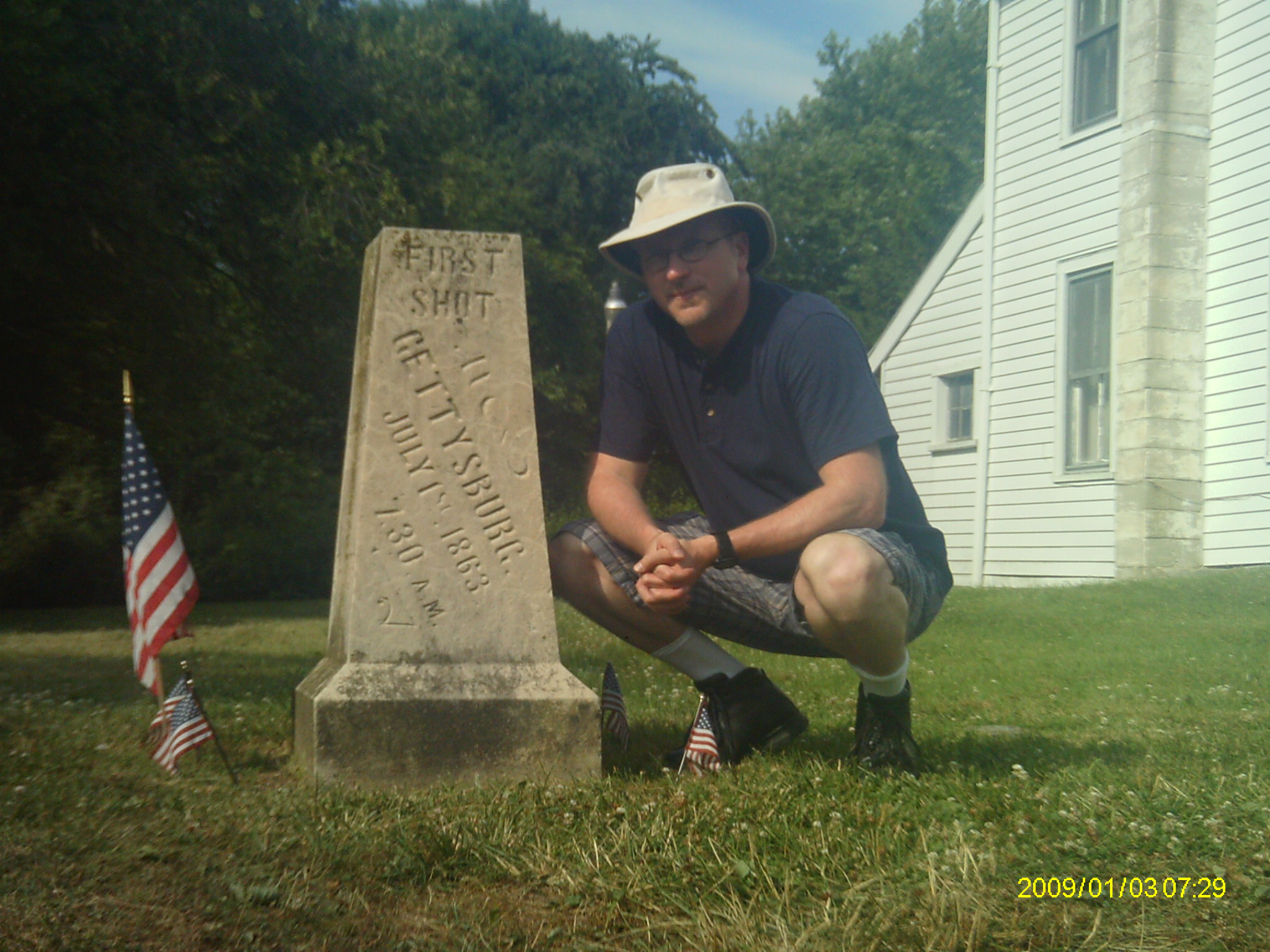
Major roads, even highways, often cut through Civil War national parks.  When approaching an intersection, on foot, on bike, or in your vehicle, be aware and look both ways.  Note, as well, that private property, even residential homes, are often located within parks.  This is because over the decades the parks acquired battle acreage a little at a time.  Eventually, in some areas, the parks came to surround private land.  Moreover, interesting sites are often found outside park bounds.  The First Shot marker, for instance, is a few miles west of Gettysburg in someone’s front yard.  It is usually okay to visit such attractions if one follows proper decorum.

Rule #5:  Don’t try to do too much

Only have one day, or even a few hours?  That’s fine.  See the one or two things that mean the most to you.  The glass is half full.  The best things about the national parks is their permanency.  You can see more on your next visit.

Coming soon, part 2

The long four years ahead

There is a piece in Time magazine this week about the reenactment of the 1861 Jefferson Davis inaugural held in Montgomery a few weeks ago.  In December we saw something similar in Charleston with the Secession Ball celebrating the Palmetto State’s leaving the Union.  Our nation has changed politically, culturally, and demographically over the past half century, and it’s not surprising that unlike in 1961 the politicians stayed away and the turnout was low.

There’s a tilting at windmills quality to how some people are trying to recognize the sesquicentennial.  Some individuals, especially within certain Southern heritage groups, cannot accept that the Lost Cause interpretation of the war is no longer sufficient and that they have lost their exclusive control of the Civil War narrative.  These groups are in danger of rendering themselves obsolete and indeed are already facing declining enrollment as their current members age and prospective, younger members stay away.  Sadly, it doesn’t have to be this way.

For whatever my opinion is worth I believe there is a middle ground that can be respectful of the sacrifices made by Confederate soldiers and civilians while acknowledging that our country is better off today because the Confederate States of America lost the war.  I submit that maintaining Confederate cemeteries; preserving existing memorials and statuary; digitizing photographs, letters, and diaries; and fund raising to purchase Civil War battlegrounds threatened by urban sprawl are a few ways Southerners could honor their forebears.  Certainly there are other ways unique to local circumstances.  What will not work is closing one’s eyes and pretending that the Civil Rights Movement never happened.

It’s going to be a long four years if reactionary elements keep trying to put the genie back in the bottle.

Civil War subway trip

Hey everybody,

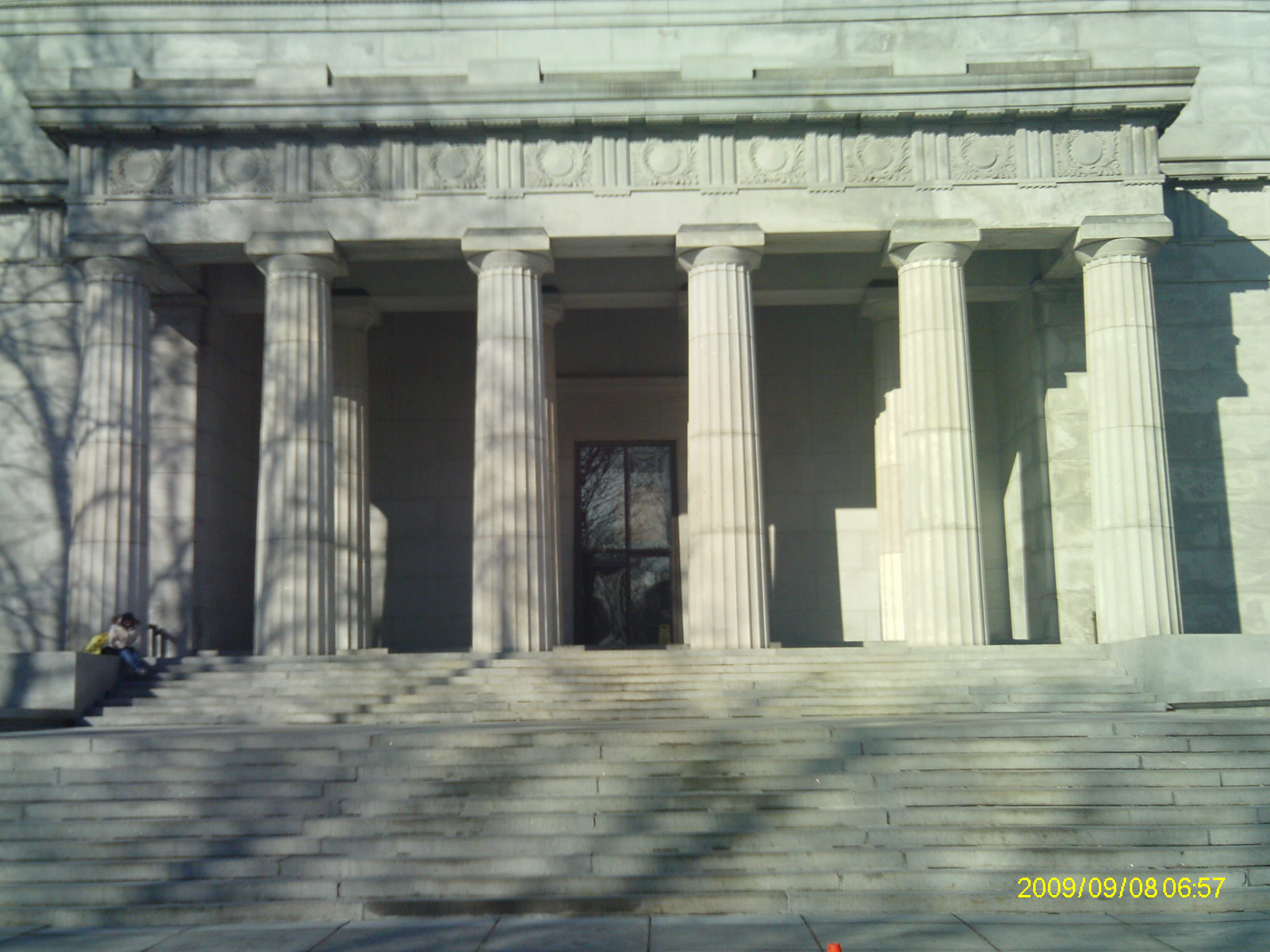
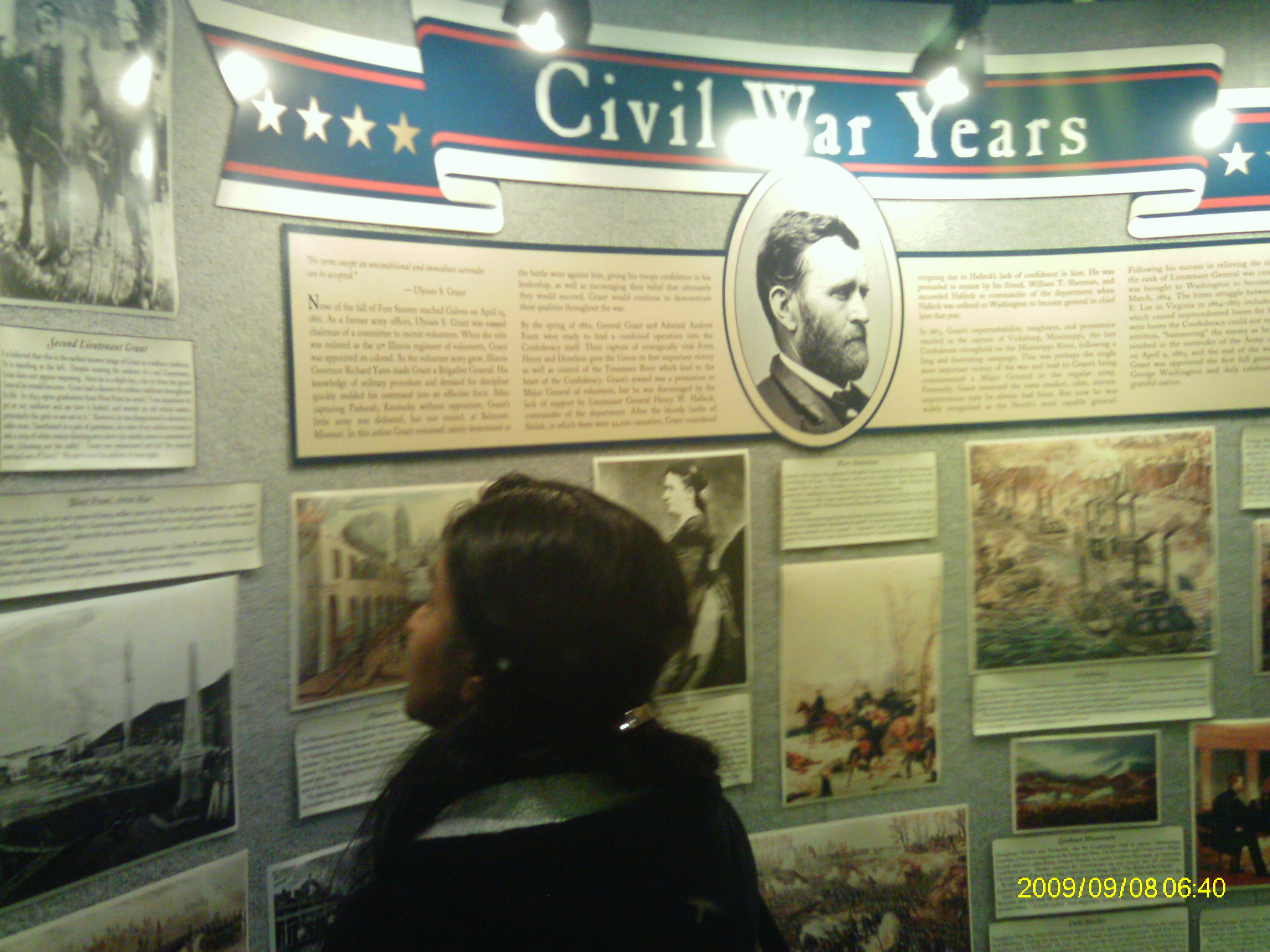
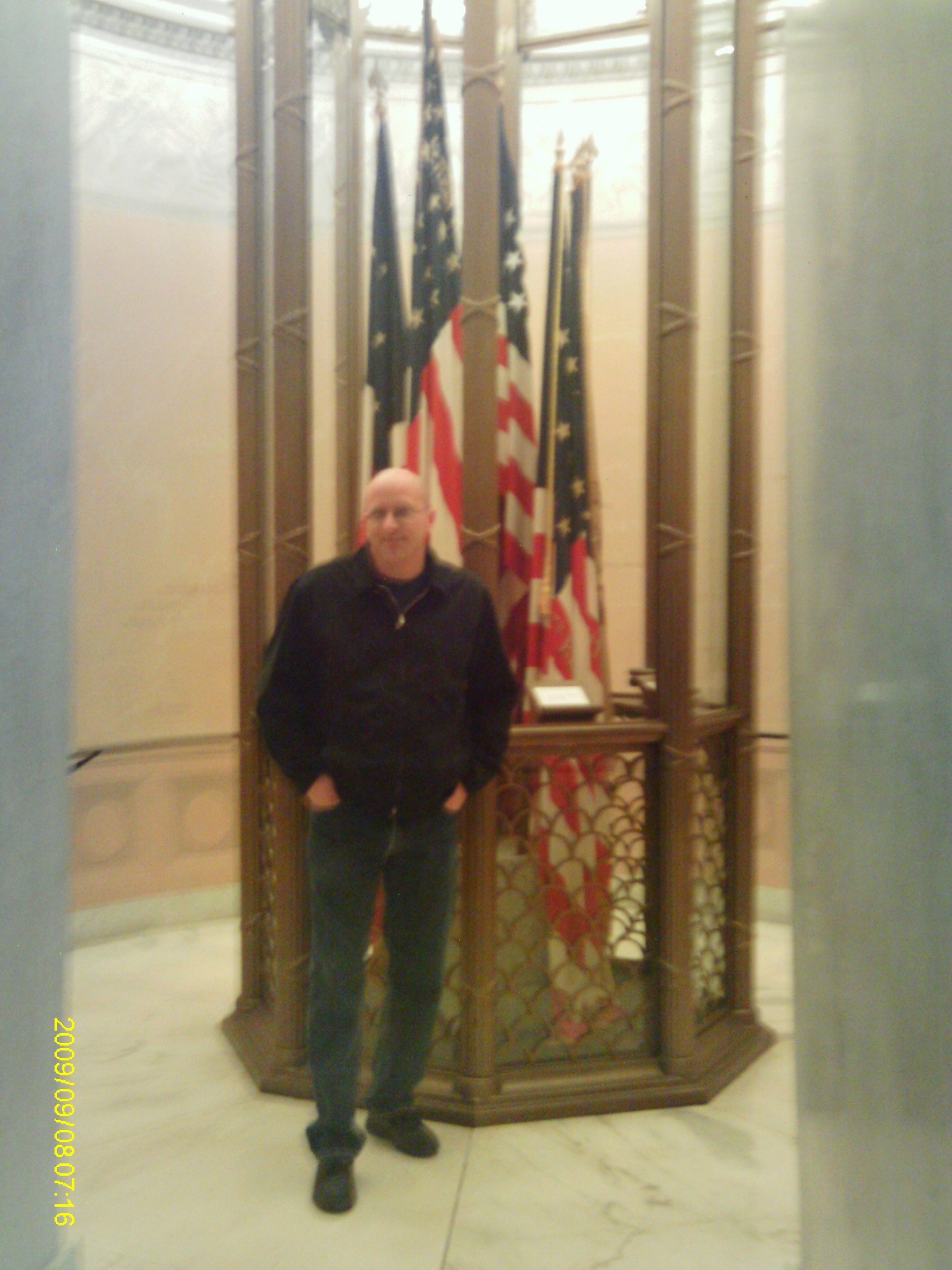
This past Saturday the Hayfoot and I took the A train to a site that, sadly, most New Yorkers no longer visit: Grant’s Tomb.  For decades after it was dedicated in 1897, the mausoleum was one of the most visited places in Manhattan.  Tens of thousands from across the country turned out annually to pay their respects.  Now, as you can see, that is no longer the case.  That’s the Mrs. on the far left.

The National Park Service acquired the General Grant National Memorial, as it is properly called, in 1959.  We took in a discussion led by a very knowledgeable ranger.  There aren’t many displays but the ones they do have are informative and cover Grant’s career in its entirety.

These regimental flags are reproductions

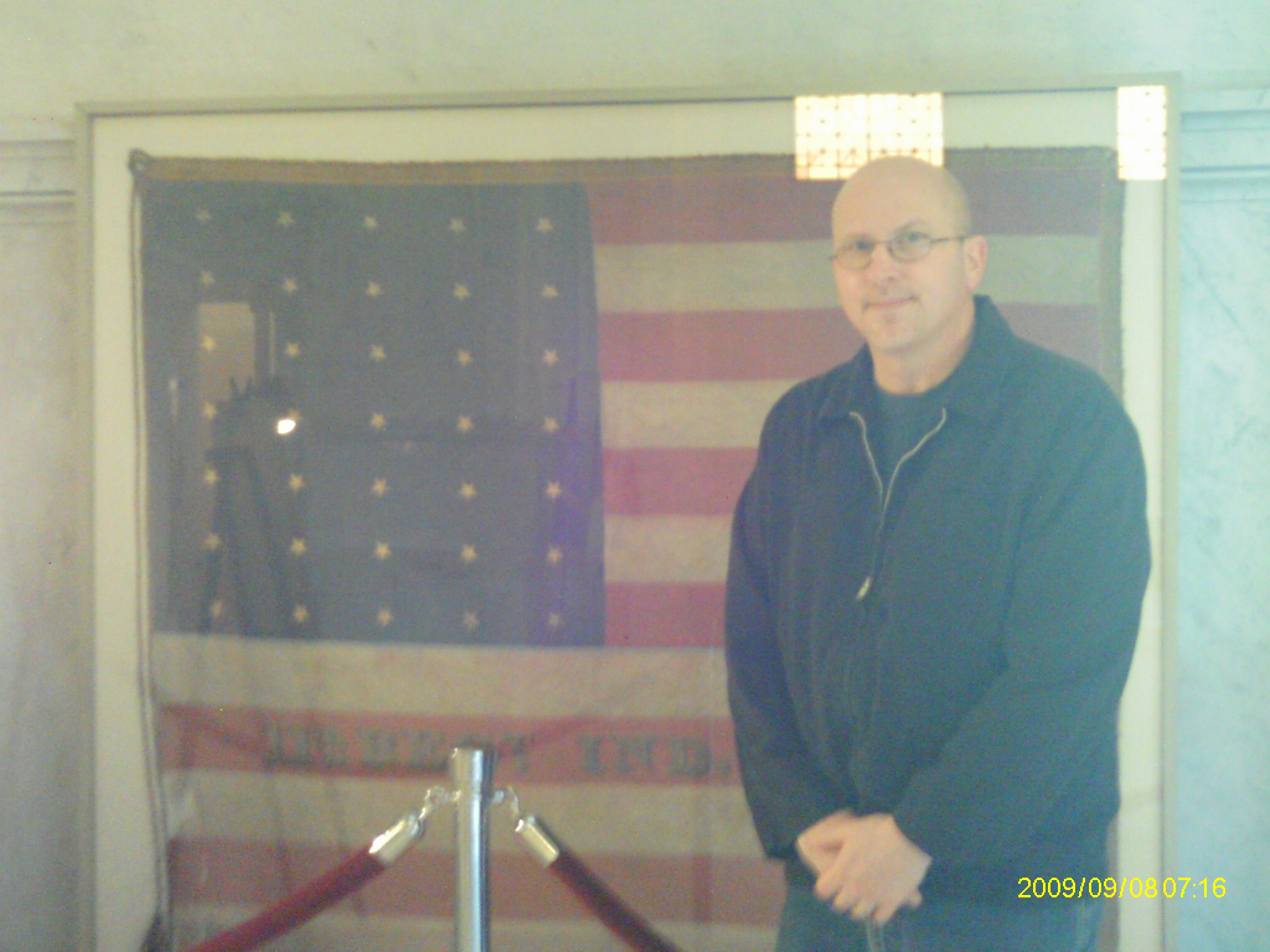
…with the exception of this one that belonged to the 11th Indiana, Colonel Lew Wallace commanding.  It was covered with glass, which is why the photo is a bit difficult to make out.

In a rare misstep, the Park Service built these benches around the perimeter of the tomb in the 1970s.  I think they were trying to be relevant.

In a better use of the space, the public area outside has been a regular stop on Harlem’s Jazzmobile going back nearly five decades.  We’re going to try to get up there this summer.

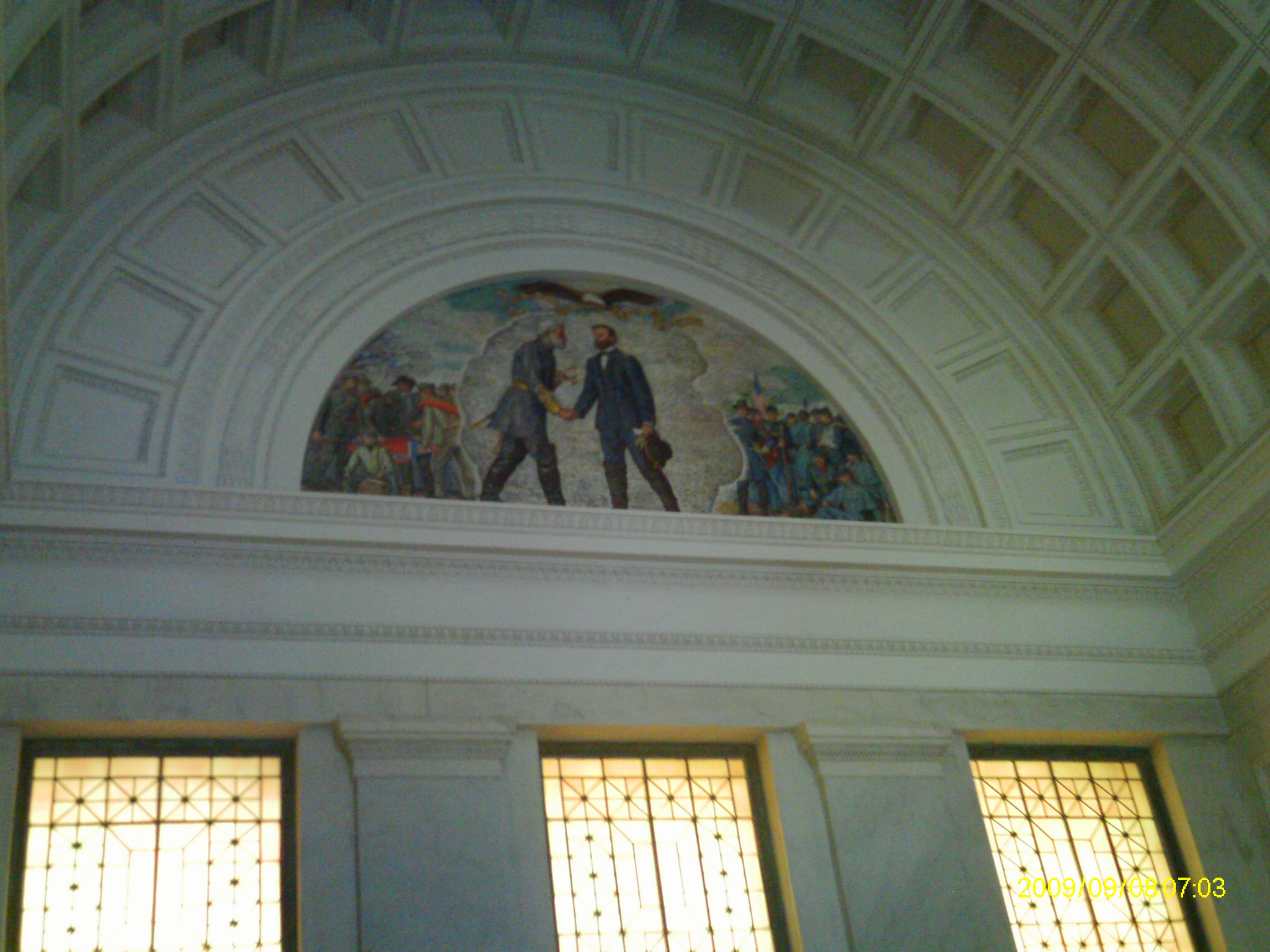
It opened in 1897 at the height of the reconciliation phase.

Hayfoot and Strawfoot

The final resting place of President and Mrs. Ulysses S. Grant.

And then it was on to Ethiopian cuisine in Harlem.

Thanks for checking in.

Keith

“My” Civil War

Hey everybody,

No, I’m not on a quick jaunt to Gettysburg.  This statue of General Gouverneur Warren should not be confused with this one.

I took these photos right here in Brooklyn.  That they are a bit hard to make out is part of my point.  Yesterday I left work and hopped on the subway to check out a few items at the Central Library.  I had exited the subway and was walking up the hill when I came across the Savior of Little Round Top.  As dusk was setting in I took a few quick snaps on my cell phone camera before heading off to the library and eventually a slice of pizza.

No one loves living in New York City more than I do.  That said, I often felt vaguely resentful about not being closer to our Civil War battlefields.  I have always know of course about New York City’s role in the conflict, but felt far removed from the war because getting to Shiloh, Fredericksburg, Antietam, and elsewhere is a challenge.  My epiphany came about six months ago when I realized I could have “my” Civil War within the five boroughs I call home.

One cannot understand the American Civil War without understanding the battles and battlefields.  Walking Pickett’s Charge I learned things from the undulations of the terrain that I could not have gotten from any book; standing on the bluff above Burnside Bridge I finally understood why that Union general was so long in getting his men across the Antietam.  I’ll continue to read about the campaigns and to visit the battlefields and walk in the footsteps of the courageous men who gave us our history.

Still, there is more to the war than left obliques.

It was early last fall after a trip to Green-Wood Cemetery with my father-in-law that the lightbulb went off and I realized just how much Civil War history is around me on a daily basis.  It’s evident in statuary like the one dedicated to Warren, in sites like Cooper Union where Lincoln gave his speech, and even in the names of our subway stations (Grand Army Plaza).  Not only that, we are blessed here with world-renowned historical societies, libraries, and museums that contain unique collections of material—material that might be used by yours truly to find his niche in this whole thing.  Suddenly the war didn’t seem so far away anymore.  And that’s when the resentment went away.

Just a little story I thought I’d share.