• About

The Strawfoot

~ a New Yorker's American History blog

The Strawfoot

Category Archives: New York City

The Loyal Publication Society

06 Wednesday Feb 2013

Posted by Keith Muchowski in New York City, Union League Club

≈ Comments Off on The Loyal Publication Society

A few weeks ago I mentioned that I will be attending the New York History conference in Cooperstown in early June. My talk is going to be on the professional relationship between William E. Dodge Jr. and Theodore Roosevelt. One of the many organizations in which they worked together was the The Union League Club of New York. The Union Club was founded on February 6, 1863–150 years ago today. To note the occasion here is a piece I have written about the Loyal Publication Society, the League’s public relations apparatus responsible for what we would now call public diplomacy.

The midterm elections of 1862 were all the proof Americans—Northern and Southern alike—needed that the Union war effort was not going well. The Republican Party maintained its majorities in the U.S. House and Senate, if just barely. Things were not so dire in the Senate; when the third of that body up for election submitted to the will of the people, the Party of Lincoln gained two seats. The House was a different story. After the country had gone to the polls to elect their local congressmen that fall the Republicans lost twenty-three seats while the Democrats picked up twenty-eight, a fifty-one count turn-around. Republicans fared no better in many state legislatures, losing either significant majorities or control outright of many Northern state houses.

The gubernatorial elections were no less alarming. Joel Parker, Democrat and vociferous Lincoln critic, won the New Jersey governor’s mansion. The most stinging defeat came in New York, the nation’s most populous state and the one providing the most men to the war effort. Horatio Seymour now controlled the executive mansion in Albany. Diarist George Templeton Strong captured that mood when he wrote on November 5 that “Seymour is governor. [and] Elsewhere defeat, or nominal success by a greatly reduced vote. It looks like a great, sweeping revolution of public sentiment, like general abandonment of the loyal, generous spirit of patriotism that broke out so nobly and unexpectedly in April, 1861.”

President Abraham Lincoln understood the magnitude of the Republican defeat, and its reasons, as well as anyone. Writing to General Carl Schurz on October 10 he averred that “Three main causes told the whole story. 1. The democrats were left in a majority by our friends going to the war. 2. The democrats observed this & determined to re-instate themselves in power, and 3. Our newspapers, by vilifying and disparaging the administration, furnished them all the weapons to do it with.” Lincoln was correct, but the causes of the Administration’s unpopularity ran even deeper. When the conflict began a year and a half earlier most expected a short war of perhaps three months. Union defeats–and casualties–were soon mounting. First and Second Bull Run, Ball’s Bluff, and other Confederate victories became synonymous in Northern minds with Union incompetence and futility. Even the victories were costly, as the reports from Shiloh and photographs from Sharpsburg illustrated.

Defeat was one thing, treachery another. When Lincoln released the Preliminary Emancipation Proclamation on September 22, days after the slim Union victory at Antietam, many Northerners felt betrayed. The proclamation played into the hands of Lincoln’s detractors, who used the document to stoke the fears of the many Northerners who had supported the cause of Union not emancipation. Two days later, on September 24, 1862, Lincoln issued another, equally controversial proclamation, suspending the writ of habeas corpus. Such was the milieu when Northerners began going to the polls one month later.

Samuel F.B. Morse: artist, inventor, Confederate supporter

Samuel F.B. Morse: artist, inventor, Confederate supporter

Loyal unionists also grasped the seriousness of the Union plight. In the summer and fall of 1862 citizens organized into Union Leagues throughout the mid-West to assist in the war effort. Such grassroots organizations were not new in American society. The Sons of Liberty were active during the colonial era, and Hickory Clubs were common in the Age of Jackson. Now, as the crisis intensified after the Union defeat at Fredericksburg in December 1862, the wealthy Northeast establishment organized Union League clubs as well. The Union League Club of New York was officially founded on February 6, 1863. On February 14 members of the nascent organization met in the home of the attorney and co-founder of Union Theological Seminary Charles Butler, 13 East 14th Street, to form a Loyal Publication Society. In its own words the object of the Society was “the distribution of journals and documents of unquestionable and unconditional loyalty throughout the United States, and particularly in the armies now engaged in the suppression of the rebellion, and to counteract as far as practicable the efforts now being made by the enemies of the Government and the advocates of a disgraceful Peace.”

“Advocates of a disgraceful Peace” was a reference to August Belmont, Samuel F. B.Morse and other Northerners with Southern sympathies who had founded the Society for the Diffusion of Political Knowledge the very evening before just down the street at Delmonico’s. This society’s purposes were to oppose Lincoln, his party, and emancipation, the Emancipation Proclamation having gone into effect just the month before. With Morse as president the Society soon began publishing pieces defending its Southern allies. One representative tract asked, “Who has constituted the two races physically different? There can be but one answer, it is God. To attempt, therefore a removal of this corner-stone . . . is of so presumptuous a character, that few should be rash enough to undertake it.” Corner-stone was an allusion to Confederate Vice President Alexander Stephens’s March 1861 speech explaining that slavery and racial inferiority were the corner-stones upon which secession lay.

Tomorrow, Part 2: The Loyal Publication Society begins its work

(image/daguerrotype of Samuel Morse by Macbeth Gallery, Smithsonian)
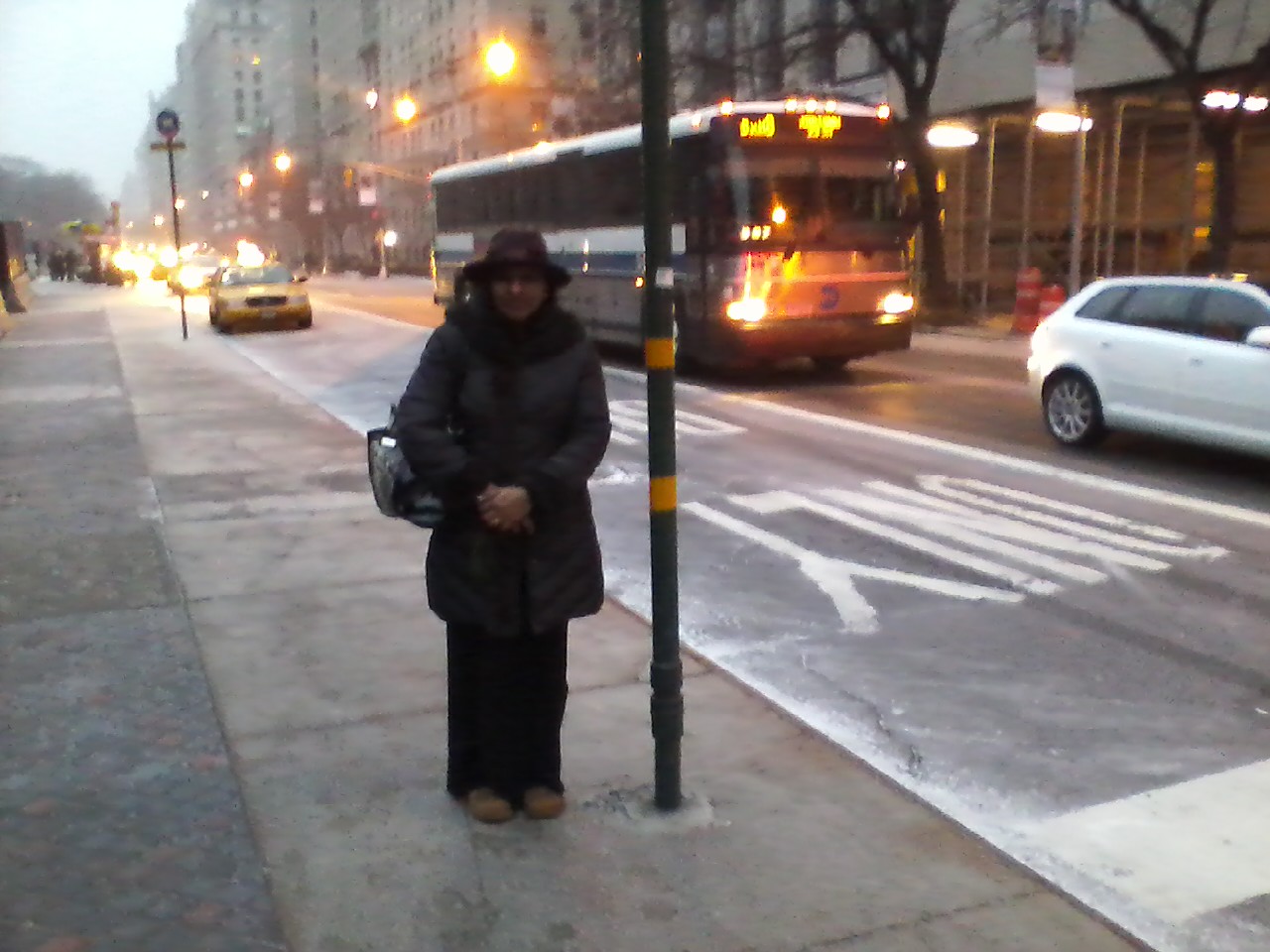
Street scene

25 Friday Jan 2013

Posted by Keith Muchowski in New York City

≈ Comments Off on Street scene

81st Street and 5th Avenue, 6:00 pm

81st Street and 5th Avenue, 6:00 pm

NYSHA conference

19 Saturday Jan 2013

Posted by Keith Muchowski in Historiography, New York City

≈ Comments Off on NYSHA conference

Martha Bulloch Roosevelt

Martha Bulloch Roosevelt

June seems far away during the deep freeze of mid-January, but I got the word yesterday that my proposal for the 2013 New York History conference has been accepted. The conference will be in Cooperstown–yes, that Cooperstown–in early June. I will be speaking about the personal and professional relationship of Theodore Roosevelt Sr. and William E. Dodge Jr. during the Civil War. The two were active in the Union Club of New York, among many other things.

Civil War New York is a fascinating subject filled with rogues and heroes acting shamefully and honorably in equal measure. When I was a kid I thought there was an imaginary line somewhere and that everyone North of said line was for the Union and everyone South of it for the Confederacy. The level of treachery in the North, and loyalty in the South, is something I did not fully comprehend until just a few years ago. Even better, many of these individuals were working–or even sleeping–together. Spielberg’s Lincoln captured this magnificently.

The lack of preparedness for the war is something that is lost on us today. Much of the organizational work was left to private individuals as Roosevelt and Dodge because the Federal government simply was not capable of handling it in 1861. What made Roosevelt’s situation interesting was that his wife Martha (Teddy’s mother) was a Southern belle from Georgia who had many relations fighting for the Confederacy. Gotham circa 1861-65 was a basket case of intrigue and overlapping loyalties. I cannot think of a better story than Civil War New York. Looking forward to Cooperstown.

Fort Hamilton and Hurricane Sandy

18 Sunday Nov 2012

Posted by Keith Muchowski in New York City

≈ 2 Comments

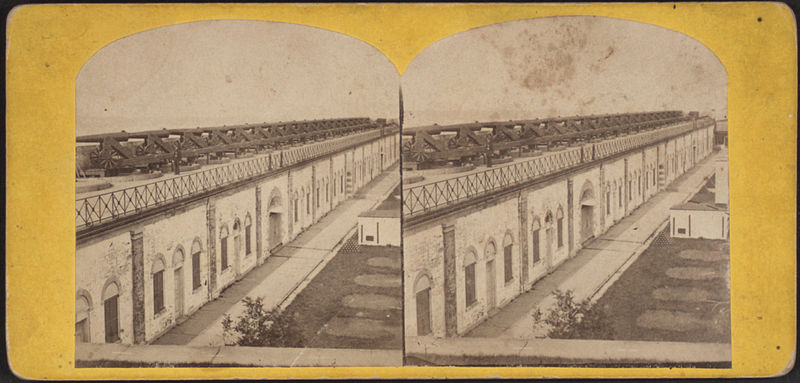
Stereograph of Fort Hamilton, c. 1850

Contemporary view of one of the buildings now on the National Register of Historic Places

Brooklyn’s Fort Hamilton was one of the key installations in the New York Harbor fortification scheme. It was a Third System fort begun in 1825 on the Brooklyn shoreline to work in concert with Fort Lafayette in the Narrows itself, and Forts Tompkins and Richmond on Staten Island, to prevent (probably British) ships from entering the Upper Harbor. A young Captain Robert E.Lee was stationed at Fort Hamilton in the 1840s, the four forts I mentioned and the numerous others as well. Unlike the rest, Fort Hamilton is still an active military base.

Verrazano Narrows from Fort Tompkins

The harbor was among the places on the Eastern Seaboard hit hardest by Hurricane Sandy. I was speaking on the phone last week with a friend, a ranger at one of the harbor parks, who said he has been laid off until the cleanup ends, whenever that is. Fort Hamilton seems to have been spared the worst, though many of its personnel have been hit hard personally by the storm. Hamilton is now one of the command centers for the recovery. According to Don Bradshaw, the deputy to the garrison’s commanding officer, “To my knowledge, this is the first time that Fort Hamilton has actually been designated a base support installation.”

(images top to bottom: NYPL, Jeffrey W75, Keith Muchowski)

Open House New York, 2012

07 Sunday Oct 2012

Posted by Keith Muchowski in New York City

≈ Comments Off on Open House New York, 2012

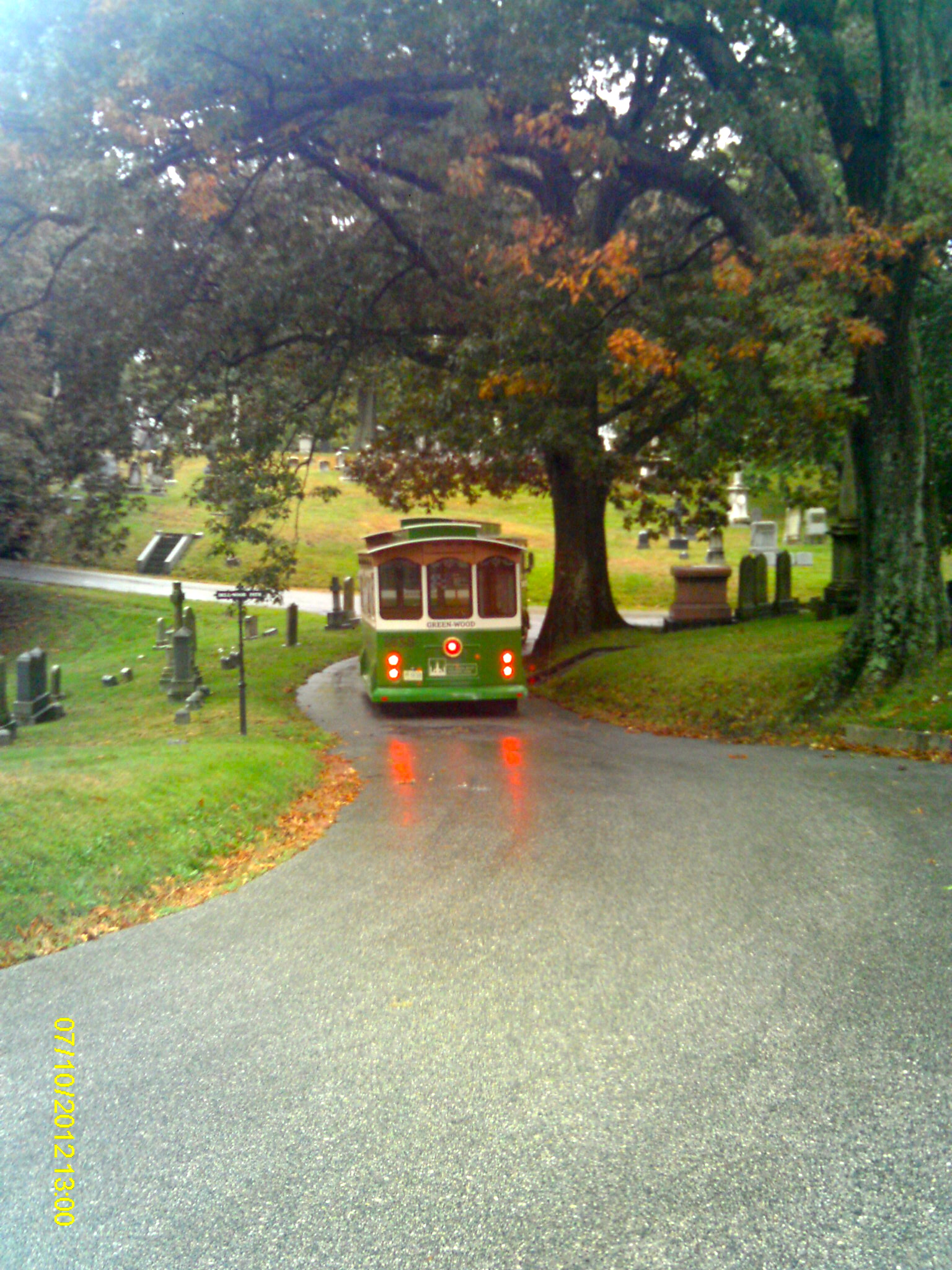
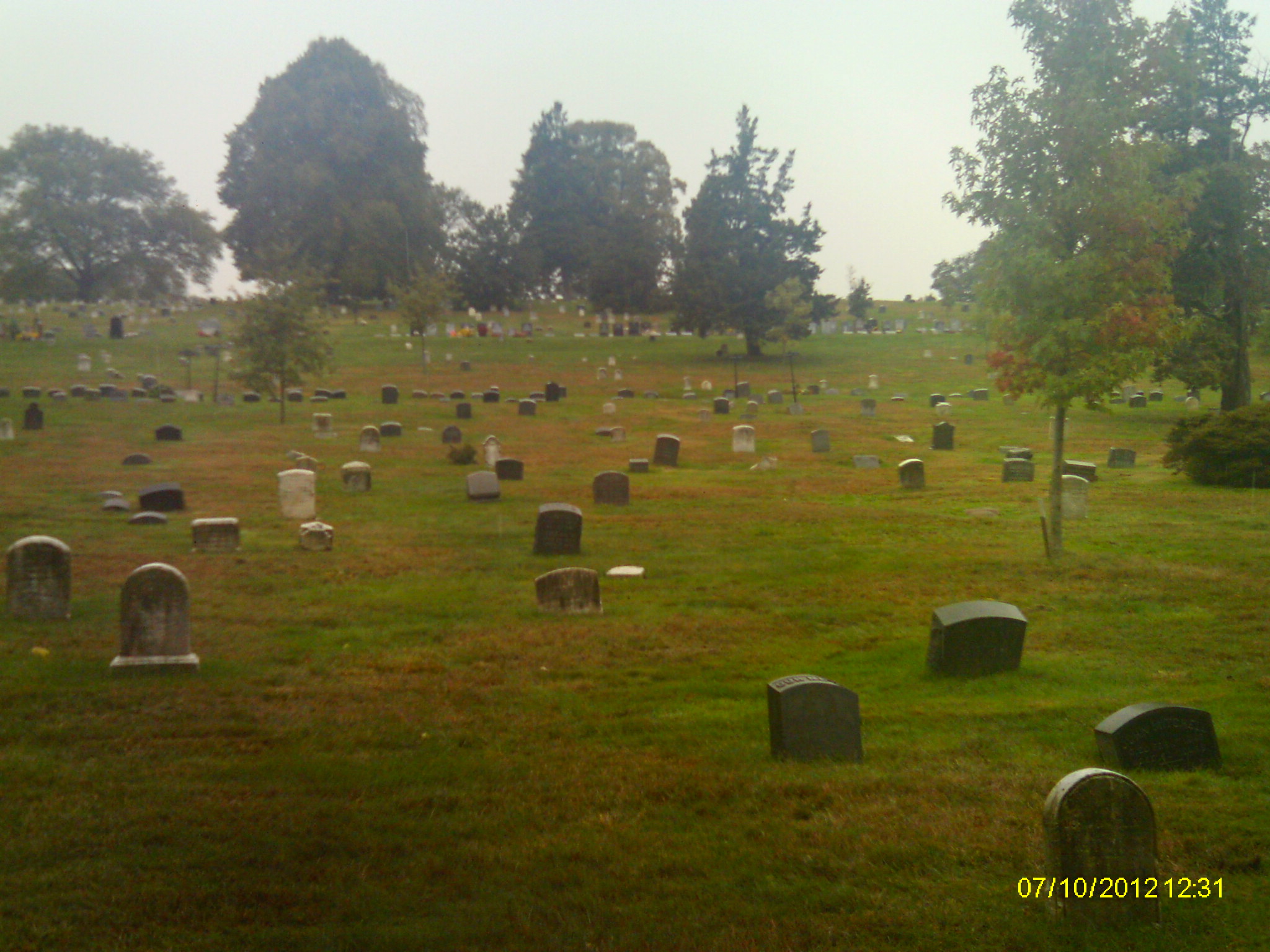
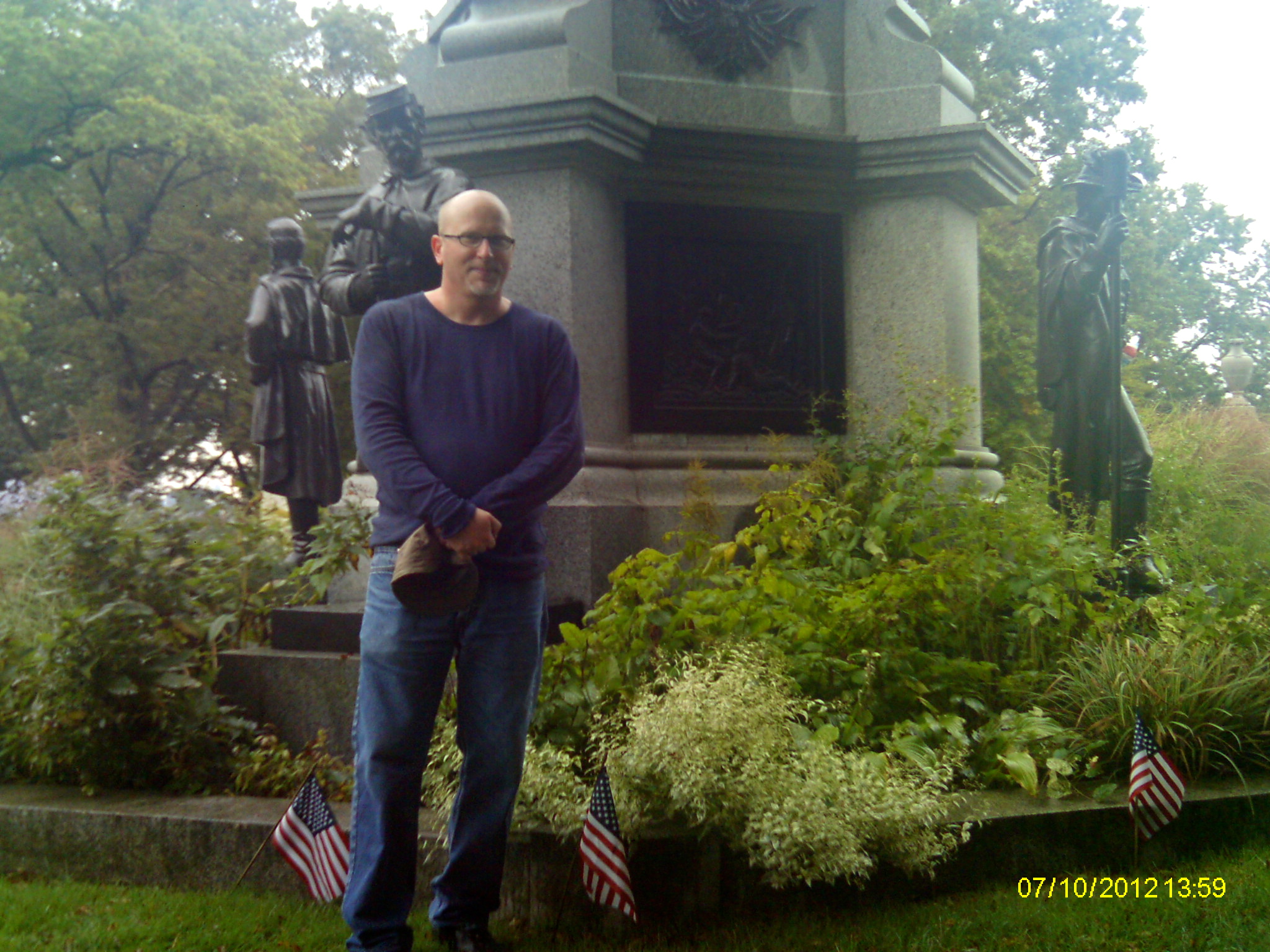
This weekend was Open House New York. OHNY is an annual event in which cultural institutions across the five boroughs open up a portion of their facility that is normally closed to the public. It is a chance to see something you ordinarily would not. Many New Yorkers build a weekend around it, coordinating their plans to see as much as they can. Because it was rainy day and a long week I did not feel like venturing too far from the house today. So,  I headed to Greenwood Cemetery to see what could.

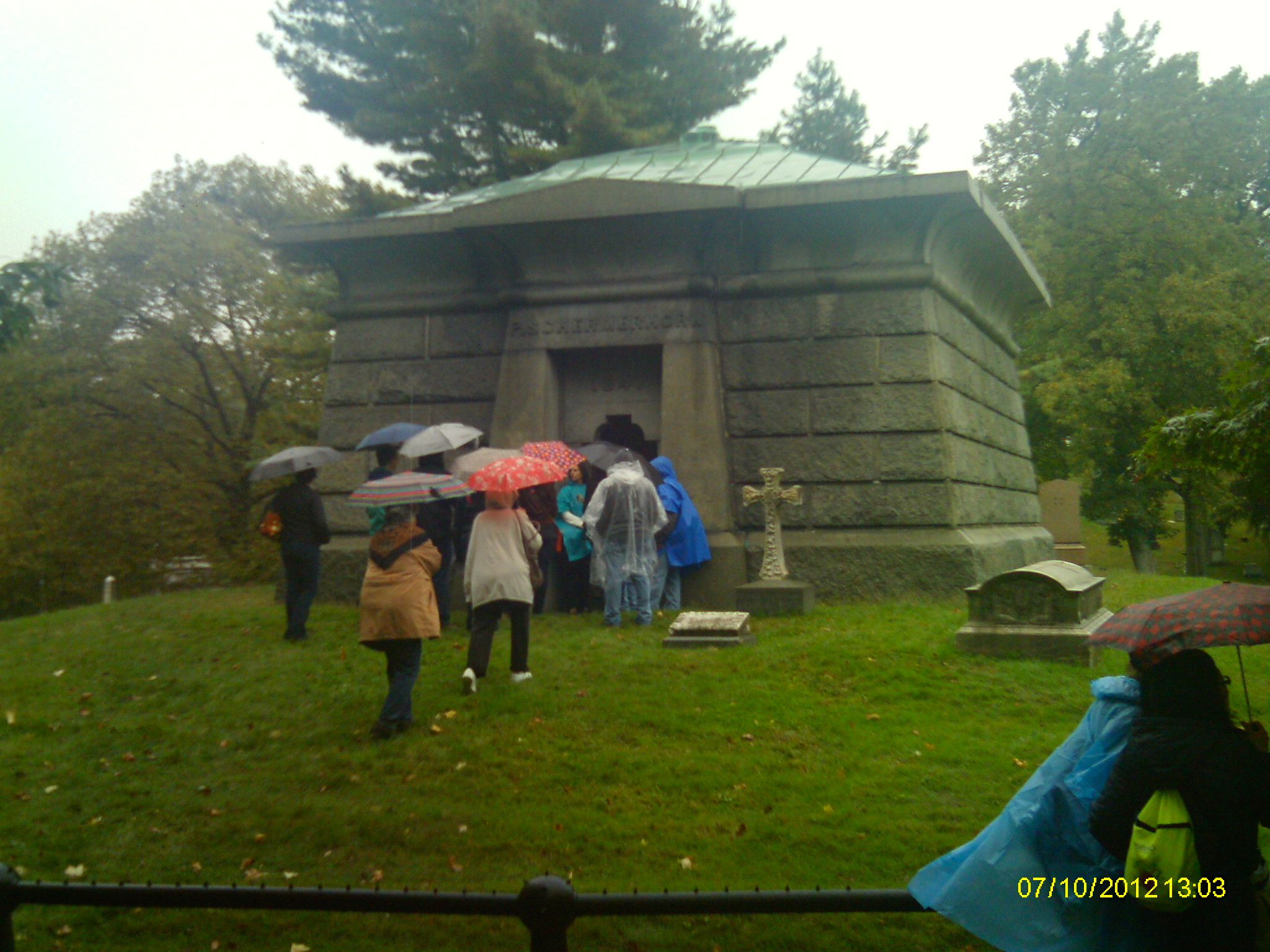
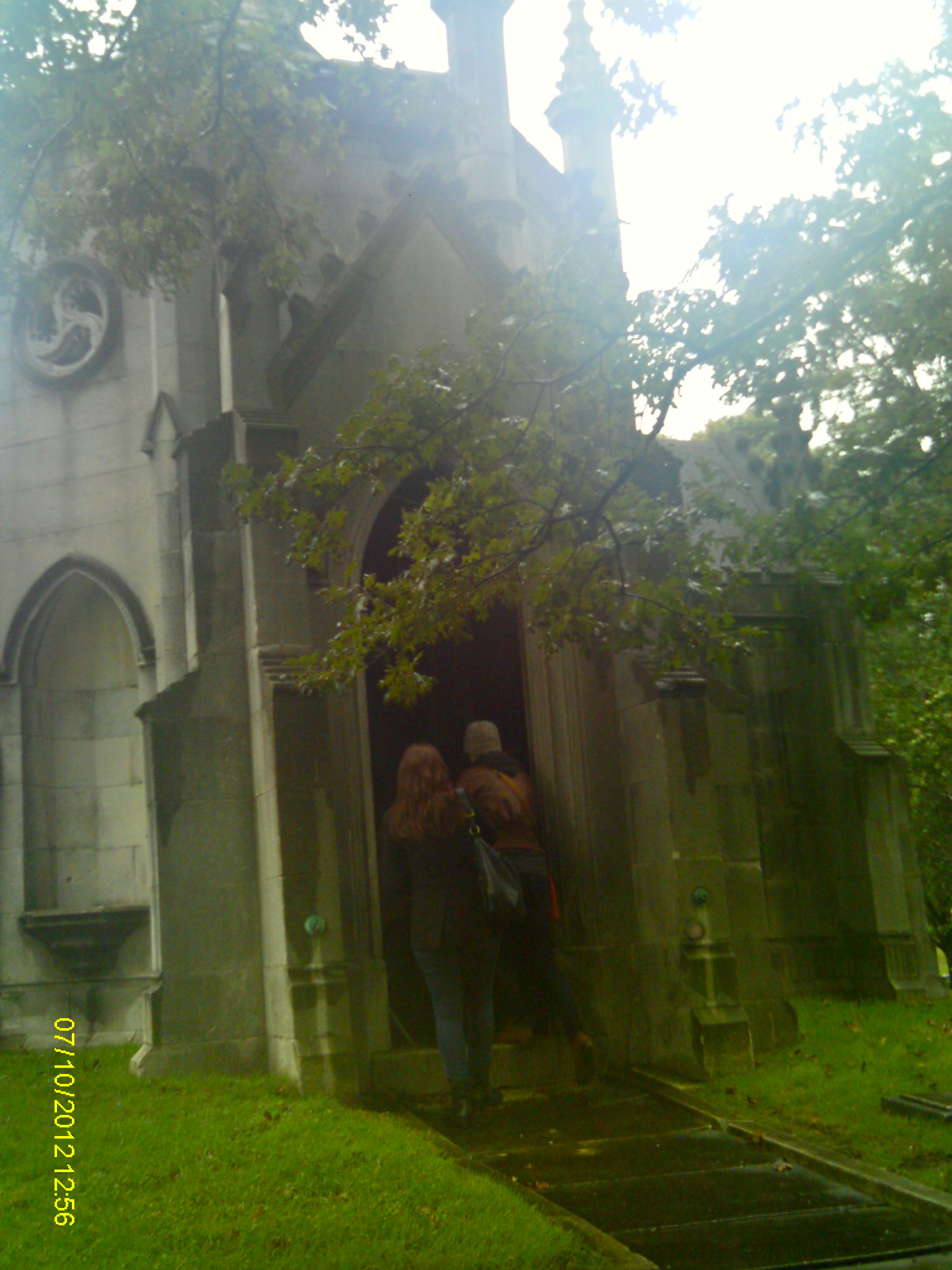
This is the Schermerhorn’s tomb and dates to 1847. One intriguing about Greenwood is that a huge chunk of the city’s history is on display for you right there. Around every corner you see a name familiar to you from a building, street, or avenue somewhere in Gotham.

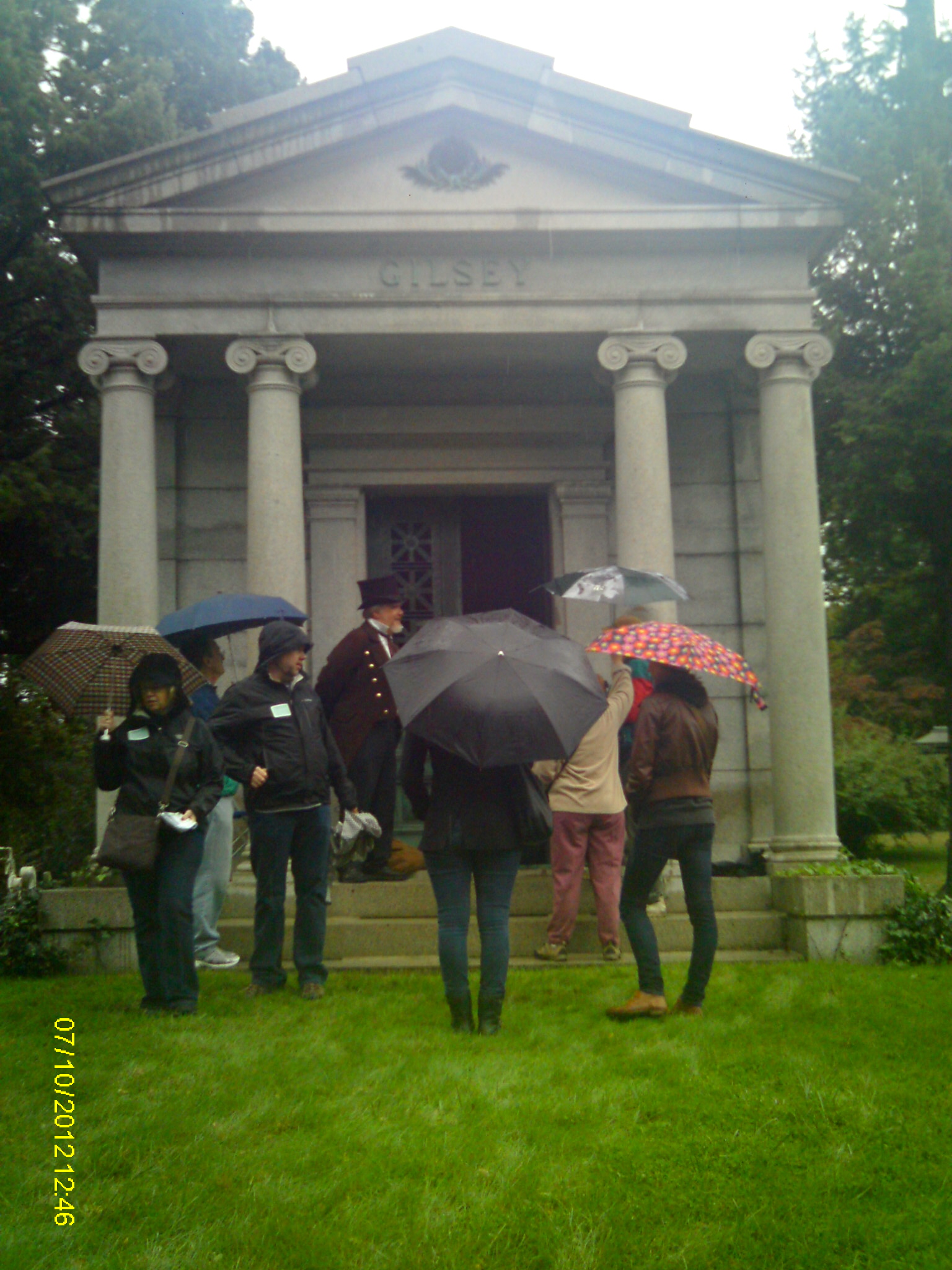
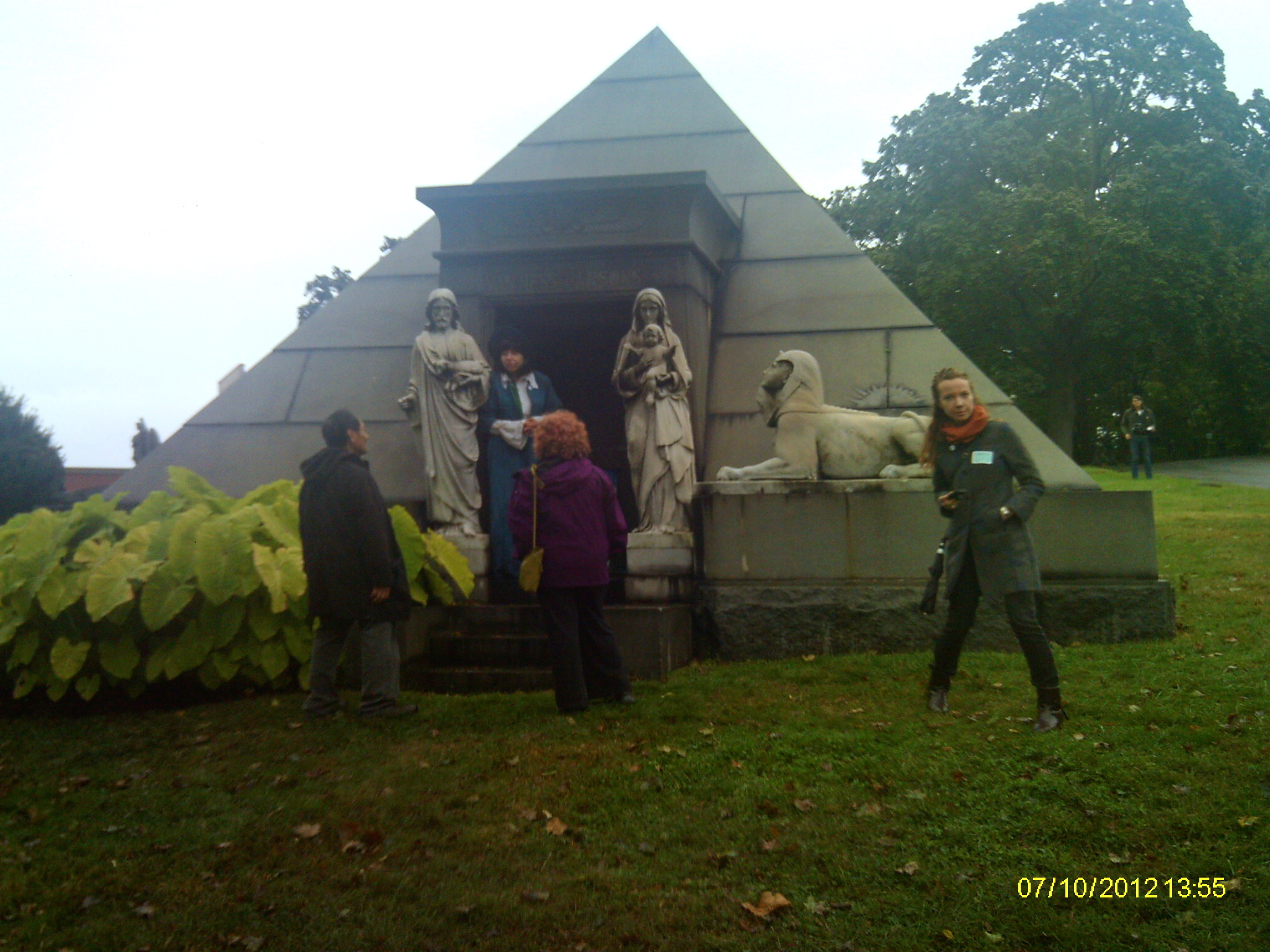
The cemetery received  permission from descendants’ families to open the tombs to the public for this one-weekend-a-year event. About eight to ten crypts were open Saturday and Sunday, with different ones accessible each day.

I myself did not do the trolley, but for those with tickets there was transportation between stops.

Whether it’s at a cemetery or a Civil War battlefield, it’s when you get off the beaten path that you find those moments of peace.


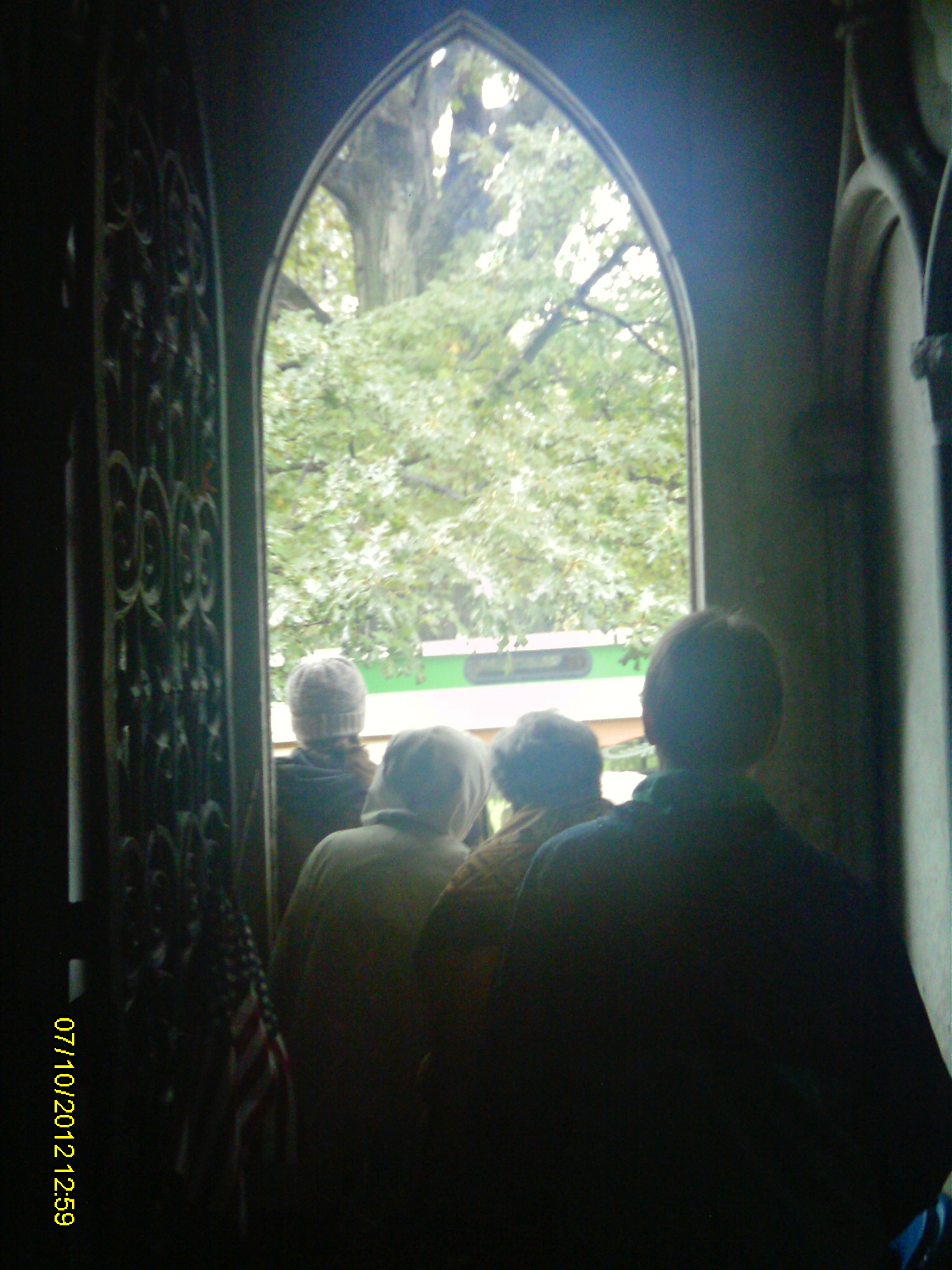
Even with the rain there was a sizable turnout. One had to wait a few minutes at each stop to get in and out of the tombs. Here is the view from inside one. Many are surprisingly big, with the capacity to hold several dozen or even hundreds of extended family.

The rain added to the ambiance. I was glad I made it today and not yesterday when it was clear and sunny.

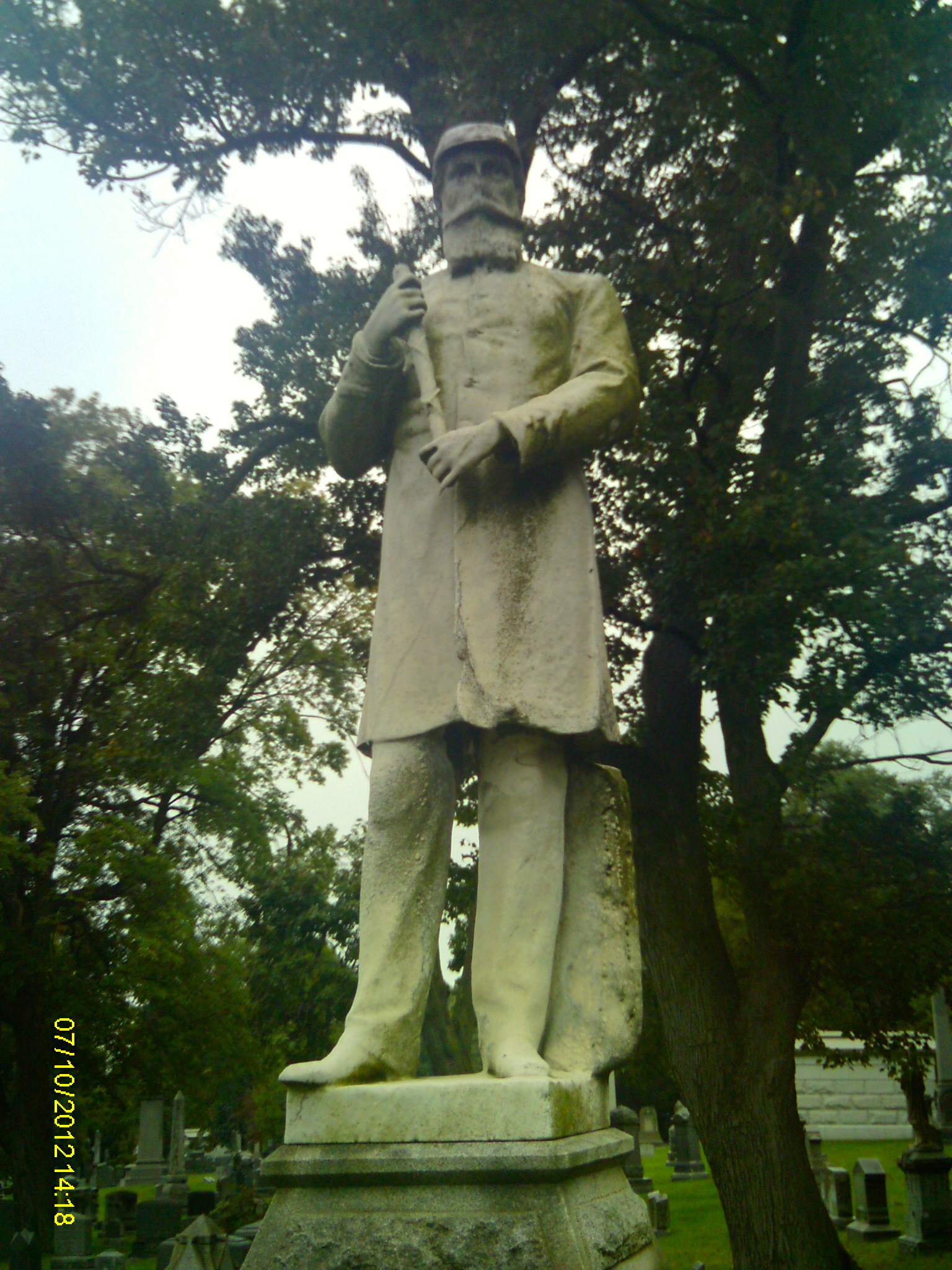
I made sure to visit the soldiers and sailors monument to Civil War veterans. I don’t always make it to this side of the cemetery during my regular constitutionals.

There are approximately 4,000 Civil War veterans resting in Greenwood.

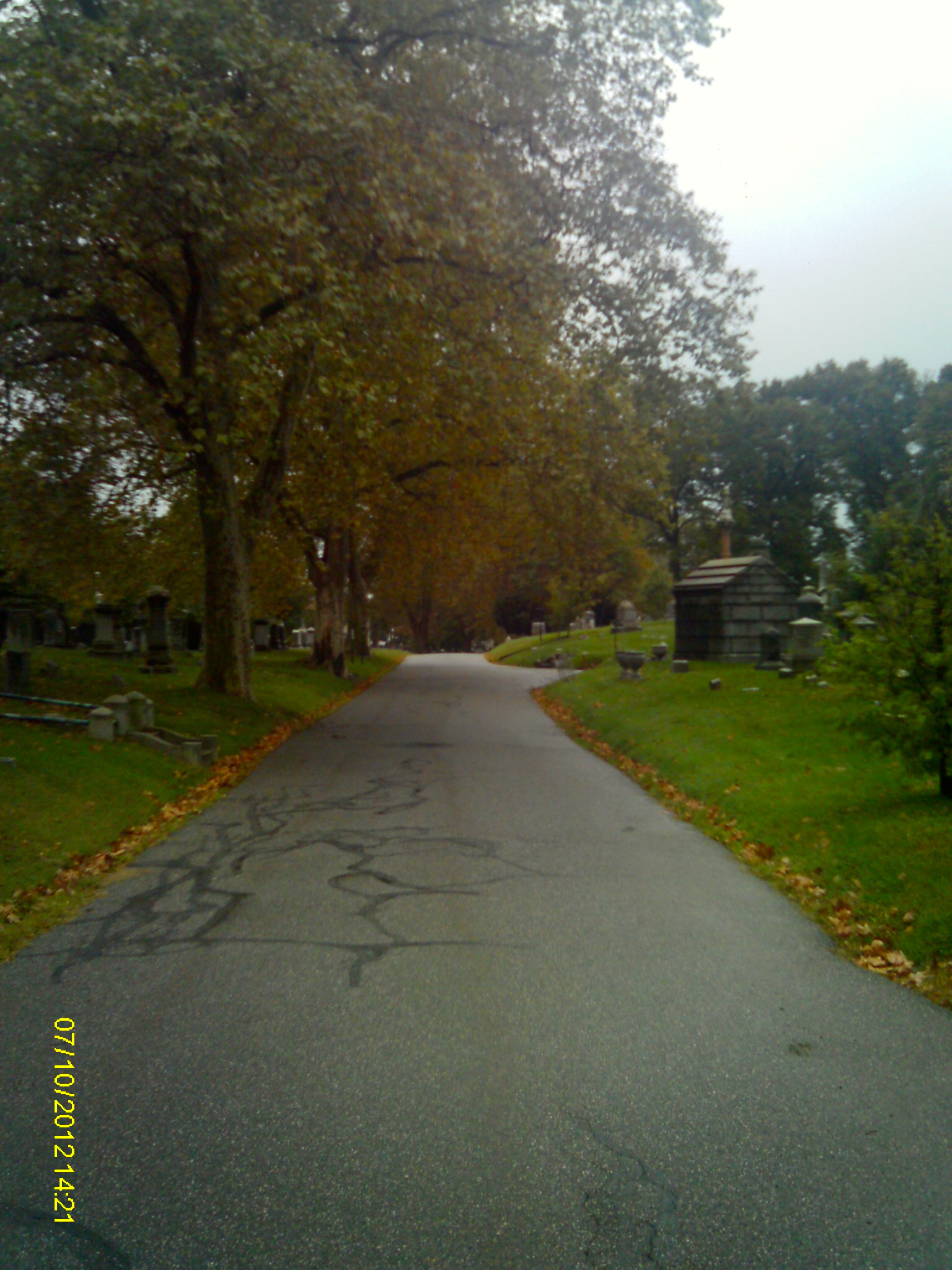
It’s autumn in New York.

Oyster-tecture

03 Monday Sep 2012

Posted by Keith Muchowski in New York City

≈ Comments Off on Oyster-tecture

Oyster dredging in Long Island Sound

Fifteen years ago, just a month after moving to Brooklyn, I was at a Christmas party when the subject turned to the revitalization of New York City. This was December 1997 and while The Turnaround had already been underway for some time this was the period of exuberance at its most irrational. The Dot Com boom was going full steam here in Gotham and the city was flush with young internet entrepreneurs spending money like no tomorrow before they eventually had to move back to Nebraska and live with their parents after it all went bust. This happened to someone who lived on my block. Many of the other guests were younger folks in their early 20s (I was thirty at the time.) and when I noted how clean New York City had become a few of them scoffed. One girl even challenged me, asking me if I truly believed New York City was “clean” and looking t me incredulously when I answered in the affirmative. It was then that I realized how much older I was than the others. Old enough to remember the 1970s, I considered it progress that the Hudson was no longer catching on fire. In the 1990s kayakers were again paddling the waters around Manhattan. 1997’s twenty-year-old, too young to remember the chaos that was New York in the 70s, had no concept of this. It was one of my first experiences on the other side of the generation gap. Things have improved since the 1990s as well. Just last month several hundred swimmers came to Governors Island to swim the circumference of the island. The waters are cleaner but there is still a ways to go. A major problem is the pollutants embedded in the much. Enter the humble oyster, once a staple of New York’s many island.

(image/Popular Science Monthly, 1893-94)

Happy 4th

04 Wednesday Jul 2012

Posted by Keith Muchowski in New York City

≈ Comments Off on Happy 4th

It is the 4th of July. The Hayfoot just returned from the store with charcoal for the grill. The potato salad is almost done. I hung the flag.

A few years ago I went to the Queens Museum of Art to see one of the several museum exhibits running concurrently about the legacy of Robert Moses. The exhibits, held in Queens and also at Columbia and the Museum of the City of New York, were offered a necessary corrective to Robert Caro’s valuable but flawed interpretation of the Master Builder. Moses was indeed a bully; he also gave New Yorkers the city that for better and worse–often better–they live in today in the twenty first century. The Queens exhibit focused on several aspects of the Moses legacy, including the swimming pools he designed and had built. The Wall Street Journal has more.

Thinking cool thoughts here in Brooklyn.

Enjoy your 4th.

(image/Swimming in Bed-Stuy, Danny Lyon)

Arsenals of adaptation

12 Tuesday Jun 2012

Posted by Keith Muchowski in Adaptive reuse, Museums, New York City, Subway trips

≈ Comments Off on Arsenals of adaptation

In May I posted the piece below about a trip a friend and I took to the Brooklyn Navy Yard. This month Architect: The Magazine of the American Institute of Architects has more on the BNY and similar facilities across the country. Adaptive reuse is a fascinating topic. Though I was not living in New York at the time, I am old enough to remember the bottom falling out here in the 1970s. Where I grew up in South Florida most of my classmates, including my best friend, were people whose families had escaped the Northeast. New York City was down for the count and whether it would ever revive was far from a forgone conclusion. I was at a gathering this past weekend and one of the guests, a delightful woman in her mid-60s, mentioned buying a Park Slope brownstone in 1968 for…$18,000. When she and her husband told their parents what they had done, the young couple’s folks laughed and laughed at their foolhardy decision.

When I moved to the city in 1997 the rotting piers were still a feature of the Brooklyn and Manhattan waterfronts. Fifteen years later that is just about a thing of the past. Much of the infrastructure in the Navy Yard dates to the Civil War. The site was still active in the decades after the Second World War until finally closing in the mid 1960s. Structural changes in the American economy had rendered it obsolete. It is good again see signs of life.


On what turned out to be the warmest day of the year so far, a friend and I ventured to the Brooklyn Navy Yard on Saturday. From 1801 until its closure in the mid-1960s the BNY was where most of the ships for the United States Navy were built and maintained. Its locale, Wallabout Bay, was also the site of the infamous British prison ships during the Revolutionary War. For decades the Navy Yard sat mostly vacant, but has been revitalized in recent years through adaptive reuse. The city of New York now owns the 300 acre site and has done much to lure local businesses. Furniture makers, high tech entrepreneurs, fashion designers, and even a movie studio are all part of the new economy.

The site has come a long way, but you can still see the old Navy Yard if you look hard and pay attention. Here is a building waiting for renovation.

…and another. As you might imagine, I’m a big fan of ruin porn.

Here is an old pipe.

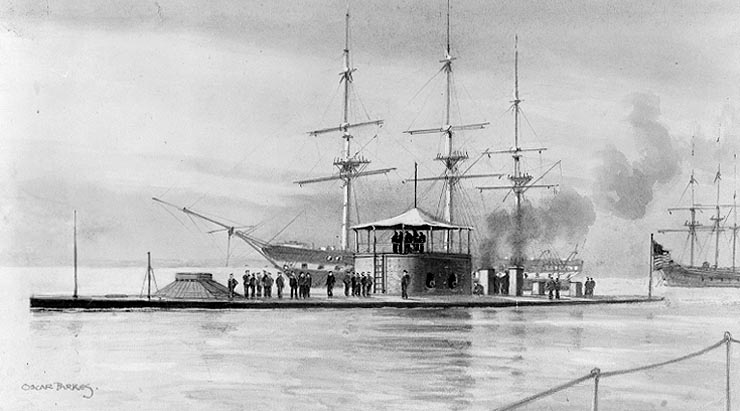
Many will know that the USS Monitor was built at the Navy Yard. It is worth noting that Brooklyn was its own city at this time. It did not became part of New York until the merger in 1898.

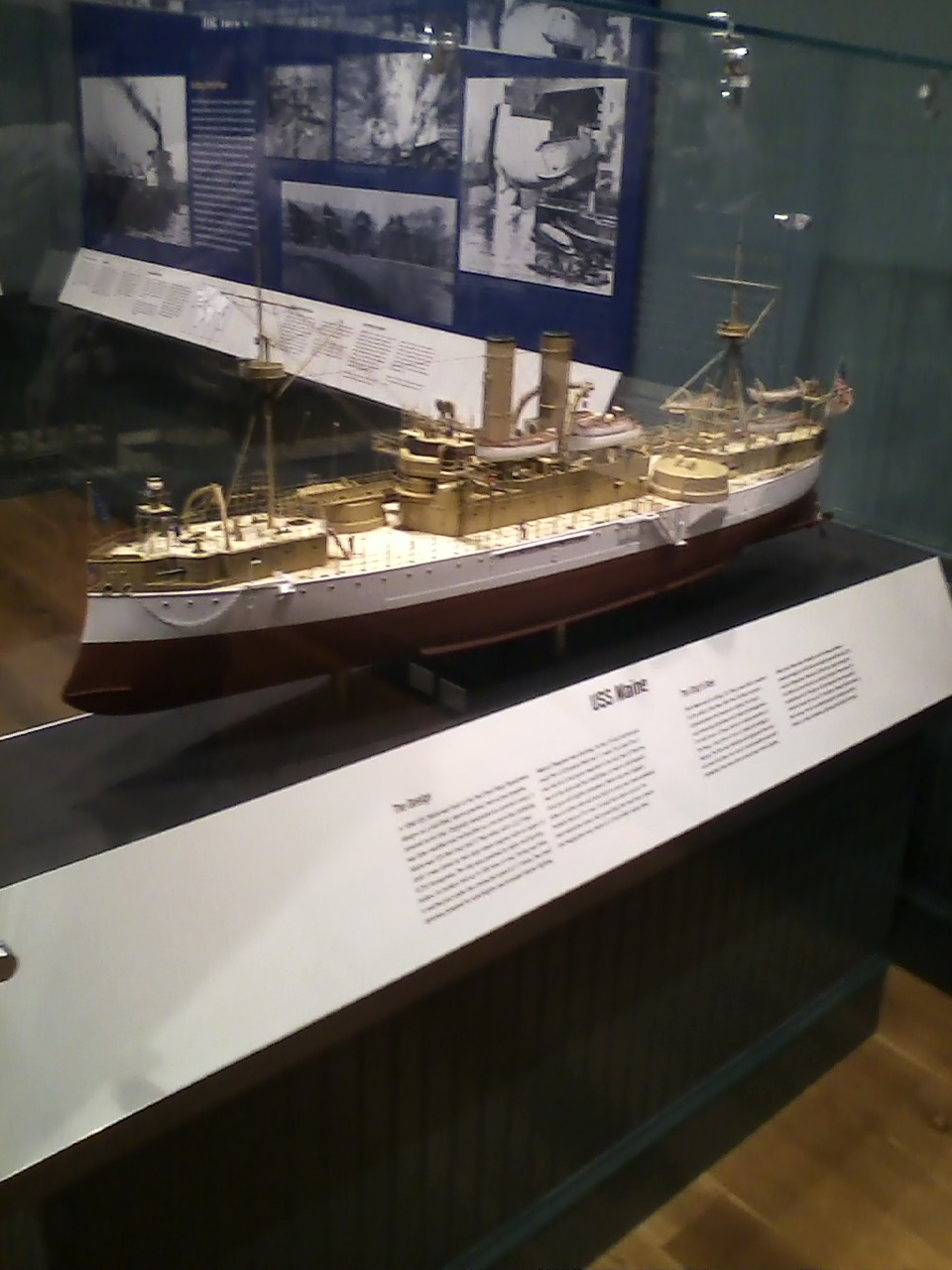
The same year as the consolidation another ship built in the Navy Yard made history…

…the USS Maine. The museum had beautiful models of a number of ships built by Brooklynites over the decades.

Assistant Secretary of the Navy Franklin Delano Roosevelt visited the Navy Yard in March 1914. Note that he is standing without the assistance of others; he did not contract polio for another seven years. I had no idea how tall he was. Roosevelt exudes strength and virility. If I am not mistaken that is Andrew Carnegie standing on his left. Carnegie campaigned hard for peace before and during the Great War, but in one of history’s cruel ironies it was his steel that built many of the ships used in the war.

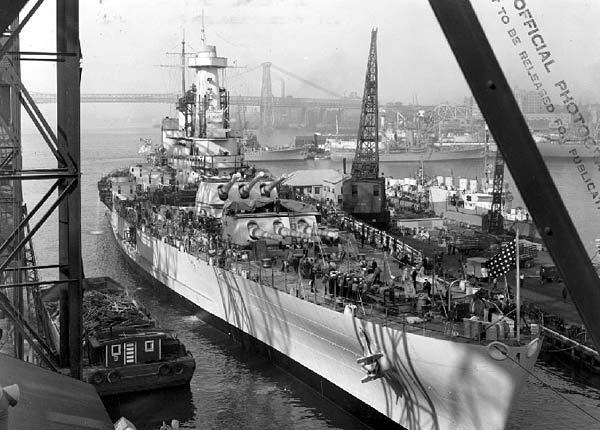
When Roosevelt talked about the Arsenal of Democracy as president he was referring in large part to the Navy Yard. This is the USS North Carolina on the site in April 1941. Navy Yard workers built the battleship in 1937.

And of course there was the USS Missouri, on whose decks the Japanese surrendered in September 1945.

This is the Navy Yard today.

(image/Jim Henderson)

Not a bad way to spend part of the weekend. We already have plans for other sites in the area. It is going to be a New York City summer for us.

The Arsenal of Democracy

14 Monday May 2012

Posted by Keith Muchowski in Museums, New York City, Subway trips

≈ Comments Off on The Arsenal of Democracy

On what turned out to be the warmest day of the year so far, a friend and I ventured to the Brooklyn Navy Yard on Saturday. From 1801 until its closure in the mid-1960s the BNY was where most of the ships for the United States Navy were built and maintained. Its locale, Wallabout Bay, was also the site of the infamous British prison ships during the Revolutionary War. For decades the Navy Yard sat mostly vacant, but has been revitalized in recent years through adaptive reuse. The city of New York now owns the 300 acre site and has done much to lure local businesses. Furniture makers, high tech entrepreneurs, fashion designers, and even a movie studio are all part of the new economy.

The site has come a long way, but you can still see the old Navy Yard if you look hard and pay attention. Here is a building waiting for renovation.

…and another. As you might imagine, I’m a big fan of ruin porn.

Here is an old pipe.

Many will know that the USS Monitor was built at the Navy Yard. It is worth noting that Brooklyn was its own city at this time. It did not became part of New York until the merger in 1898.

The same year as the consolidation another ship built in the Navy Yard made history…

…the USS Maine. The museum had beautiful models of a number of ships built by Brooklynites over the decades.

Assistant Secretary of the Navy Franklin Delano Roosevelt visited the Navy Yard in March 1914. Note that he is standing without the assistance of others; he did not contract polio for another seven years. I had no idea how tall he was. Roosevelt exudes strength and virility. If I am not mistaken that is Andrew Carnegie standing on his left. Carnegie campaigned hard for peace before and during the Great War, but in one of history’s cruel ironies it was his steel that built many of the ships used in the war.

When Roosevelt talked about the Arsenal of Democracy as president he was referring in large part to the Navy Yard. This is the USS North Carolina on the site in April 1941. Navy Yard workers built the battleship in 1937.

And of course there was the USS Missouri, on whose decks the Japanese surrendered in September 1945.

This is the Navy Yard today.

(image/Jim Henderson)

Not a bad way to spend part of the weekend. We already have plans for other sites in the area. It is going to be a New York City summer for us.

Weeksville

27 Friday Apr 2012

Posted by Keith Muchowski in New York City

≈ Comments Off on Weeksville

Many are surprised when they hear of Brooklyn’s rural and agricultural past. Not that long ago, however, much of our fair borough was indeed farm land, or even acreage unspoiled by man. Weeksville is a fascinating part of that story.

← Older posts
Newer posts →

Enter your email address to subscribe to this blog and receive notifications of new posts by email.

Join 258 other subscribers

Categories

Archives

  • November 2023 (1)
  • October 2023 (3)
  • September 2023 (3)
  • August 2023 (4)
  • July 2023 (7)
  • June 2023 (10)
  • May 2023 (8)
  • April 2023 (6)
  • March 2023 (5)
  • February 2023 (4)
  • January 2023 (4)
  • December 2022 (4)
  • November 2022 (8)
  • October 2022 (2)
  • September 2022 (4)
  • June 2022 (1)
  • May 2022 (1)
  • April 2022 (13)
  • January 2022 (1)
  • December 2021 (2)
  • November 2021 (1)
  • October 2021 (3)
  • September 2021 (3)
  • August 2021 (5)
  • July 2021 (1)
  • June 2021 (1)
  • May 2021 (4)
  • April 2021 (3)
  • March 2021 (4)
  • February 2021 (7)
  • January 2021 (4)
  • December 2020 (4)
  • November 2020 (3)
  • October 2020 (4)
  • September 2020 (7)
  • August 2020 (5)
  • July 2020 (7)
  • June 2020 (11)
  • May 2020 (7)
  • April 2020 (9)
  • March 2020 (9)
  • February 2020 (7)
  • January 2020 (6)
  • December 2019 (7)
  • November 2019 (9)
  • October 2019 (4)
  • September 2019 (6)
  • August 2019 (10)
  • July 2019 (8)
  • June 2019 (6)
  • May 2019 (9)
  • April 2019 (8)
  • March 2019 (6)
  • February 2019 (8)
  • January 2019 (5)
  • December 2018 (10)
  • November 2018 (6)
  • October 2018 (9)
  • September 2018 (11)
  • August 2018 (11)
  • July 2018 (17)
  • June 2018 (10)
  • May 2018 (8)
  • April 2018 (9)
  • March 2018 (8)
  • February 2018 (5)
  • January 2018 (7)
  • December 2017 (11)
  • November 2017 (8)
  • October 2017 (9)
  • September 2017 (11)
  • August 2017 (12)
  • July 2017 (14)
  • June 2017 (18)
  • May 2017 (11)
  • April 2017 (10)
  • March 2017 (9)
  • February 2017 (11)
  • January 2017 (14)
  • December 2016 (7)
  • November 2016 (8)
  • October 2016 (8)
  • September 2016 (9)
  • August 2016 (6)
  • July 2016 (12)
  • June 2016 (8)
  • May 2016 (9)
  • April 2016 (6)
  • March 2016 (12)
  • February 2016 (10)
  • January 2016 (9)
  • December 2015 (9)
  • November 2015 (11)
  • October 2015 (8)
  • September 2015 (9)
  • August 2015 (13)
  • July 2015 (14)
  • June 2015 (11)
  • May 2015 (11)
  • April 2015 (18)
  • March 2015 (10)
  • February 2015 (8)
  • January 2015 (8)
  • December 2014 (12)
  • November 2014 (13)
  • October 2014 (16)
  • September 2014 (11)
  • August 2014 (16)
  • July 2014 (12)
  • June 2014 (13)
  • May 2014 (10)
  • April 2014 (10)
  • March 2014 (11)
  • February 2014 (12)
  • January 2014 (10)
  • December 2013 (11)
  • November 2013 (14)
  • October 2013 (14)
  • September 2013 (14)
  • August 2013 (13)
  • July 2013 (17)
  • June 2013 (9)
  • May 2013 (13)
  • April 2013 (13)
  • March 2013 (16)
  • February 2013 (15)
  • January 2013 (15)
  • December 2012 (18)
  • November 2012 (18)
  • October 2012 (21)
  • September 2012 (14)
  • August 2012 (16)
  • July 2012 (21)
  • June 2012 (22)
  • May 2012 (24)
  • April 2012 (20)
  • March 2012 (23)
  • February 2012 (22)
  • January 2012 (15)
  • December 2011 (23)
  • November 2011 (22)
  • October 2011 (23)
  • September 2011 (18)
  • August 2011 (19)
  • July 2011 (20)
  • June 2011 (29)
  • May 2011 (25)
  • April 2011 (18)
  • March 2011 (21)
  • February 2011 (11)

Meta

  • Create account
  • Log in
  • Entries feed
  • Comments feed
  • WordPress.com
Creative Commons License
This work is licensed under a Creative Commons Attribution-NonCommercial-ShareAlike 4.0 International License.

Enter your email address to subscribe to this blog and receive notifications of new posts by email.

Join 258 other subscribers

Categories

Archives

  • November 2023 (1)
  • October 2023 (3)
  • September 2023 (3)
  • August 2023 (4)
  • July 2023 (7)
  • June 2023 (10)
  • May 2023 (8)
  • April 2023 (6)
  • March 2023 (5)
  • February 2023 (4)
  • January 2023 (4)
  • December 2022 (4)
  • November 2022 (8)
  • October 2022 (2)
  • September 2022 (4)
  • June 2022 (1)
  • May 2022 (1)
  • April 2022 (13)
  • January 2022 (1)
  • December 2021 (2)
  • November 2021 (1)
  • October 2021 (3)
  • September 2021 (3)
  • August 2021 (5)
  • July 2021 (1)
  • June 2021 (1)
  • May 2021 (4)
  • April 2021 (3)
  • March 2021 (4)
  • February 2021 (7)
  • January 2021 (4)
  • December 2020 (4)
  • November 2020 (3)
  • October 2020 (4)
  • September 2020 (7)
  • August 2020 (5)
  • July 2020 (7)
  • June 2020 (11)
  • May 2020 (7)
  • April 2020 (9)
  • March 2020 (9)
  • February 2020 (7)
  • January 2020 (6)
  • December 2019 (7)
  • November 2019 (9)
  • October 2019 (4)
  • September 2019 (6)
  • August 2019 (10)
  • July 2019 (8)
  • June 2019 (6)
  • May 2019 (9)
  • April 2019 (8)
  • March 2019 (6)
  • February 2019 (8)
  • January 2019 (5)
  • December 2018 (10)
  • November 2018 (6)
  • October 2018 (9)
  • September 2018 (11)
  • August 2018 (11)
  • July 2018 (17)
  • June 2018 (10)
  • May 2018 (8)
  • April 2018 (9)
  • March 2018 (8)
  • February 2018 (5)
  • January 2018 (7)
  • December 2017 (11)
  • November 2017 (8)
  • October 2017 (9)
  • September 2017 (11)
  • August 2017 (12)
  • July 2017 (14)
  • June 2017 (18)
  • May 2017 (11)
  • April 2017 (10)
  • March 2017 (9)
  • February 2017 (11)
  • January 2017 (14)
  • December 2016 (7)
  • November 2016 (8)
  • October 2016 (8)
  • September 2016 (9)
  • August 2016 (6)
  • July 2016 (12)
  • June 2016 (8)
  • May 2016 (9)
  • April 2016 (6)
  • March 2016 (12)
  • February 2016 (10)
  • January 2016 (9)
  • December 2015 (9)
  • November 2015 (11)
  • October 2015 (8)
  • September 2015 (9)
  • August 2015 (13)
  • July 2015 (14)
  • June 2015 (11)
  • May 2015 (11)
  • April 2015 (18)
  • March 2015 (10)
  • February 2015 (8)
  • January 2015 (8)
  • December 2014 (12)
  • November 2014 (13)
  • October 2014 (16)
  • September 2014 (11)
  • August 2014 (16)
  • July 2014 (12)
  • June 2014 (13)
  • May 2014 (10)
  • April 2014 (10)
  • March 2014 (11)
  • February 2014 (12)
  • January 2014 (10)
  • December 2013 (11)
  • November 2013 (14)
  • October 2013 (14)
  • September 2013 (14)
  • August 2013 (13)
  • July 2013 (17)
  • June 2013 (9)
  • May 2013 (13)
  • April 2013 (13)
  • March 2013 (16)
  • February 2013 (15)
  • January 2013 (15)
  • December 2012 (18)
  • November 2012 (18)
  • October 2012 (21)
  • September 2012 (14)
  • August 2012 (16)
  • July 2012 (21)
  • June 2012 (22)
  • May 2012 (24)
  • April 2012 (20)
  • March 2012 (23)
  • February 2012 (22)
  • January 2012 (15)
  • December 2011 (23)
  • November 2011 (22)
  • October 2011 (23)
  • September 2011 (18)
  • August 2011 (19)
  • July 2011 (20)
  • June 2011 (29)
  • May 2011 (25)
  • April 2011 (18)
  • March 2011 (21)
  • February 2011 (11)

Meta

  • Create account
  • Log in
  • Entries feed
  • Comments feed
  • WordPress.com
Creative Commons License
This work is licensed under a Creative Commons Attribution-NonCommercial-ShareAlike 4.0 International License.

Enter your email address to subscribe to this blog and receive notifications of new posts by email.

Join 258 other subscribers

Categories

Archives

  • November 2023 (1)
  • October 2023 (3)
  • September 2023 (3)
  • August 2023 (4)
  • July 2023 (7)
  • June 2023 (10)
  • May 2023 (8)
  • April 2023 (6)
  • March 2023 (5)
  • February 2023 (4)
  • January 2023 (4)
  • December 2022 (4)
  • November 2022 (8)
  • October 2022 (2)
  • September 2022 (4)
  • June 2022 (1)
  • May 2022 (1)
  • April 2022 (13)
  • January 2022 (1)
  • December 2021 (2)
  • November 2021 (1)
  • October 2021 (3)
  • September 2021 (3)
  • August 2021 (5)
  • July 2021 (1)
  • June 2021 (1)
  • May 2021 (4)
  • April 2021 (3)
  • March 2021 (4)
  • February 2021 (7)
  • January 2021 (4)
  • December 2020 (4)
  • November 2020 (3)
  • October 2020 (4)
  • September 2020 (7)
  • August 2020 (5)
  • July 2020 (7)
  • June 2020 (11)
  • May 2020 (7)
  • April 2020 (9)
  • March 2020 (9)
  • February 2020 (7)
  • January 2020 (6)
  • December 2019 (7)
  • November 2019 (9)
  • October 2019 (4)
  • September 2019 (6)
  • August 2019 (10)
  • July 2019 (8)
  • June 2019 (6)
  • May 2019 (9)
  • April 2019 (8)
  • March 2019 (6)
  • February 2019 (8)
  • January 2019 (5)
  • December 2018 (10)
  • November 2018 (6)
  • October 2018 (9)
  • September 2018 (11)
  • August 2018 (11)
  • July 2018 (17)
  • June 2018 (10)
  • May 2018 (8)
  • April 2018 (9)
  • March 2018 (8)
  • February 2018 (5)
  • January 2018 (7)
  • December 2017 (11)
  • November 2017 (8)
  • October 2017 (9)
  • September 2017 (11)
  • August 2017 (12)
  • July 2017 (14)
  • June 2017 (18)
  • May 2017 (11)
  • April 2017 (10)
  • March 2017 (9)
  • February 2017 (11)
  • January 2017 (14)
  • December 2016 (7)
  • November 2016 (8)
  • October 2016 (8)
  • September 2016 (9)
  • August 2016 (6)
  • July 2016 (12)
  • June 2016 (8)
  • May 2016 (9)
  • April 2016 (6)
  • March 2016 (12)
  • February 2016 (10)
  • January 2016 (9)
  • December 2015 (9)
  • November 2015 (11)
  • October 2015 (8)
  • September 2015 (9)
  • August 2015 (13)
  • July 2015 (14)
  • June 2015 (11)
  • May 2015 (11)
  • April 2015 (18)
  • March 2015 (10)
  • February 2015 (8)
  • January 2015 (8)
  • December 2014 (12)
  • November 2014 (13)
  • October 2014 (16)
  • September 2014 (11)
  • August 2014 (16)
  • July 2014 (12)
  • June 2014 (13)
  • May 2014 (10)
  • April 2014 (10)
  • March 2014 (11)
  • February 2014 (12)
  • January 2014 (10)
  • December 2013 (11)
  • November 2013 (14)
  • October 2013 (14)
  • September 2013 (14)
  • August 2013 (13)
  • July 2013 (17)
  • June 2013 (9)
  • May 2013 (13)
  • April 2013 (13)
  • March 2013 (16)
  • February 2013 (15)
  • January 2013 (15)
  • December 2012 (18)
  • November 2012 (18)
  • October 2012 (21)
  • September 2012 (14)
  • August 2012 (16)
  • July 2012 (21)
  • June 2012 (22)
  • May 2012 (24)
  • April 2012 (20)
  • March 2012 (23)
  • February 2012 (22)
  • January 2012 (15)
  • December 2011 (23)
  • November 2011 (22)
  • October 2011 (23)
  • September 2011 (18)
  • August 2011 (19)
  • July 2011 (20)
  • June 2011 (29)
  • May 2011 (25)
  • April 2011 (18)
  • March 2011 (21)
  • February 2011 (11)

Meta

  • Create account
  • Log in
  • Entries feed
  • Comments feed
  • WordPress.com
Creative Commons License
This work is licensed under a Creative Commons Attribution-NonCommercial-ShareAlike 4.0 International License.

Blog at WordPress.com.

  • Subscribe Subscribed
    • The Strawfoot
    • Join 229 other subscribers
    • Already have a WordPress.com account? Log in now.
    • The Strawfoot
    • Subscribe Subscribed
    • Sign up
    • Log in
    • Report this content
    • View site in Reader
    • Manage subscriptions
    • Collapse this bar
 

Loading Comments...