A Beautiful Way to Go

Four years ago, just prior to getting married, I moved from an apartment I had lived in for twelve years to another about five blocks away. Overall, the move wasn’t much: same grocery store, post office, dry cleaner, etc, etc. The big change (other than the marriage) was that I was no longer so close to Prospect Park. An extra twenty minutes each way may not seem like much, but it adds an almost-prohibitive amount of time to a potential weekend walk or evening stroll after work. Brooklyn’s Prospect Park was designed by Frederick Law Olmsted and Calvert Vaux and, though not as well-maintained, is very much the equal of their earlier Central Park. (Central Park is better maintained because the rich folks who live along its perimeter give piles of private money for its maintenance.) For me it was a big loss, though one that came with an equally big win: I am now just five minutes away from the gates of Green-Wood Cemetery. Green-Wood is one of the original garden cemeteries and is currently celebrating its 175th anniversary. To mark the occasion the Museum of the City of New York is hosting an exhibit titled A Beautiful Way to Go: New York’s Green-Wood Cemetery. It opened yesterday and runs through October 13.

Brooklyn's Green-Wood Cemetery

Brooklyn’s Green-Wood Cemetery

Garden cemeteries, sometimes called rural cemeteries, were a phenomenon of the nineteenth century, when American and European societies were industrializing rapidly and green space was becoming scarcer and scarcer for city dwellers. It may surprise you to know that in the late nineteenth century Green-Wood was the most-visited place in New York State after Niagara Falls. Graveyards are for the dead, final resting places for those who came before us and have now passed on; cemeteries are for the living, places to commune with nature and the past. One hundred and seventy-five years later Green-Wood is still serving this function. No matter how many times I have been there–and it is in the hundreds by now–I always see something new on each visit. It is not hard to do, whether it’s reading the many freshly-planted headstones of the 4,000 Civil War soldiers buried there, poking my head into the bars of a mausoleum to peek at the Tiffany windows, or seeing the sun hitting a familiar vista at a different angle during the change of seasons. I am looking forward to catching this show in the coming weeks, and will have more to say about it here on the blog after I do.
Sunday morning coffee

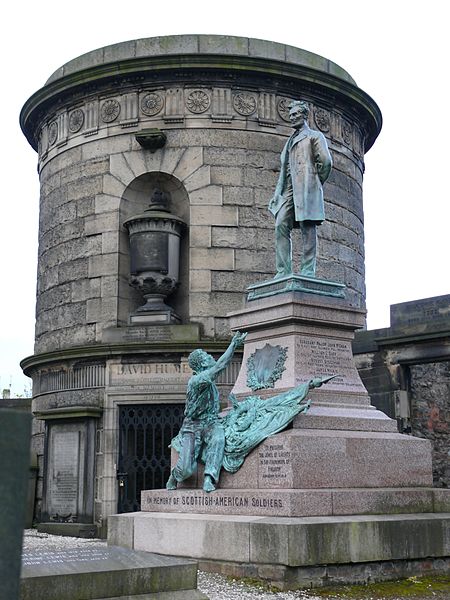
The Scottish – American Soldiers Monument, Edinburgh

The Scottish – American Soldiers Monument, Edinburgh

An interesting vignette came to my in-box yesterday about the George E. Bissell statue of Lincoln that stands in Edinburgh’s Old Calton Cemetery. Bissell’s name does not carry the same weight as Augustus Saint-Gaudens, Daniel Chester French, or Paul Manship, which is unfortunate because the sculptor was very much their equal. Bissell created one of my favorite statues in all of New York City, the monument to Chester Arthur that stands in Madison Square Park. Bissell’s Arthur stands adjacent to the more lauded Saint-Gaudens’s tribute to Admiral Farragut. Sadly, both are off the tourist path and stand equally unnoticed by New Yorkers themselves as they go about their daily routines.

Bissell’s Lincoln was dedicated in 1893 and was the first of many Lincolns erected outside of the United States during the era. As you can see, it fits neatly into the “Standing Soldiers, Kneeling Slaves” motif described by Kirk Savage in his book of the same title. We have our own such statue, for Henry Ward Beecher, here in downtown Brooklyn. Bissell’s Lincoln is more than a tribute to the Great Emancipator, however; it was also built to pay honor to the Scots who fought for the Union. If you look closely, you will notice that it stands next to the tomb of philosopher David Hume, which could not have been coincidental. We are clearly meant to associate the two men and to think of them as equals. In the tradition of the time turnout was significant for the dedication, so much so that tickets were required despite the blustery conditions. It is lost on us today how seriously people of the period took these kinds of things. Bissell’s Lincoln is a good reminder, too, that the world was paying attention to the events in the United States during our Civil War.

(image/Ad Meskens)

The art of Conrad Wise Chapman

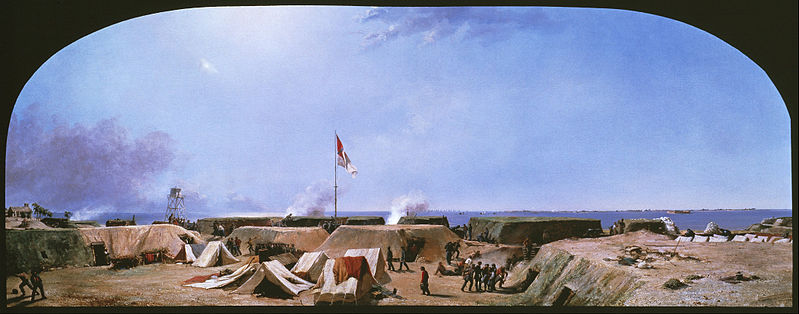
Bombardment of Fort Moultrie, Charleston Harbor, South Carolina (1864)

Bombardment of Fort Moultrie, Charleston Harbor, South Carolina (1864)

The Civil War and American Art exhibit ended its run at the National Portrait Gallery a few weeks back and is currently under installation at the Metropolitan Museum here in the Big Apple. It will be showing all summer and is well worth the trip. Though I saw it in DC, I intend to go back–probably more than once–during its time here in Gotham. There are many great works in the show; my favorites were the landscapes of Conrad Wise Chapman, a Virginian who lived with his family in Italy prior to the war with his artist father. The Chapman works on display in this sesquicentennial show are primarily landscapes he painted for the Ordinance Bureau during the Confederate defense of Charleston Harbor. On the simplest level the paintings work as literal representations of Confederate camp life during the siege, just as Winslow Homer’s sketchings depicted the quotidian life of Union soldiers. Chapman’s works are more than that though. Whatever his thoughts on secession, slavery, and the other issues of the day, Chapman was an artist of the first order. He reminds me of the Dutch Masters in his use of natural light. He was equally adept at depth and scale.

Chapman was all but forgotten in the decades after Appomattox. Southerners, impoverished by the war’s destruction, did not have the financial resources to buy art the way their Northern counterparts did. The overt Confederate imagery was another minus in the art market of the Gilded Age. Chapman remained active throughout the late nineteenth and early twentieth century, mainly living as an expatriate in Mexico and Europe. Most of the Charleston Series ended up in the care of the Museum of the Confederacy in 1898. Chapman lived another twelve years and died in poverty in 1910. Now we may be entering something of a Chapman renaissance. First, there was his place in the Civil War and American Art exhibition. Now, Sotheby’s is auctioning one of his postwar paintings, Paisaje del Valle de Mexico con el Lago de Texcoco, later this month. The landscape is projected to sell for a cool $125,000-175,000.

(image/Gibbes Museum of Art)

The New York State Museum’s Civil War

I mentioned yesterday that I went to Albany this past Saturday to see the New York State Museum’s mammoth exhibit, An Irrepressible Conflict: The Empire State in the Civil War. There have been many excellent exhibits throughout the sesquicentennial, and I must say that this makes the short list of the very best. Here are some highlights.

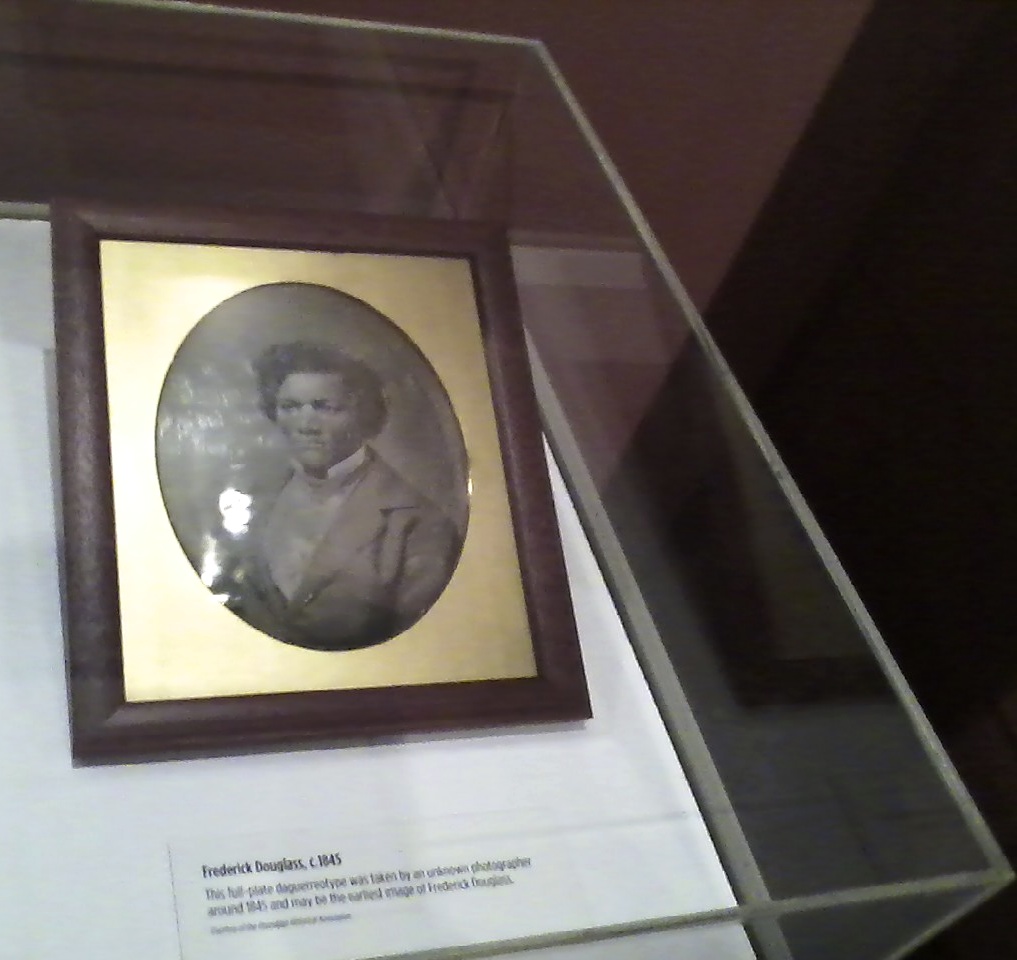
Frederick Douglass, circa 1845

Frederick Douglass, circa 1845

This daguerreotype of Frederick Douglass is believed to be the first visual image taken of the publisher/abolitionist. Note how young he looks. Upstate New York was a hotbed of abolitionism in the decades prior to the war. The region was also one of the key routes of the Underground Railroad. John Brown, of course, lived in the area.

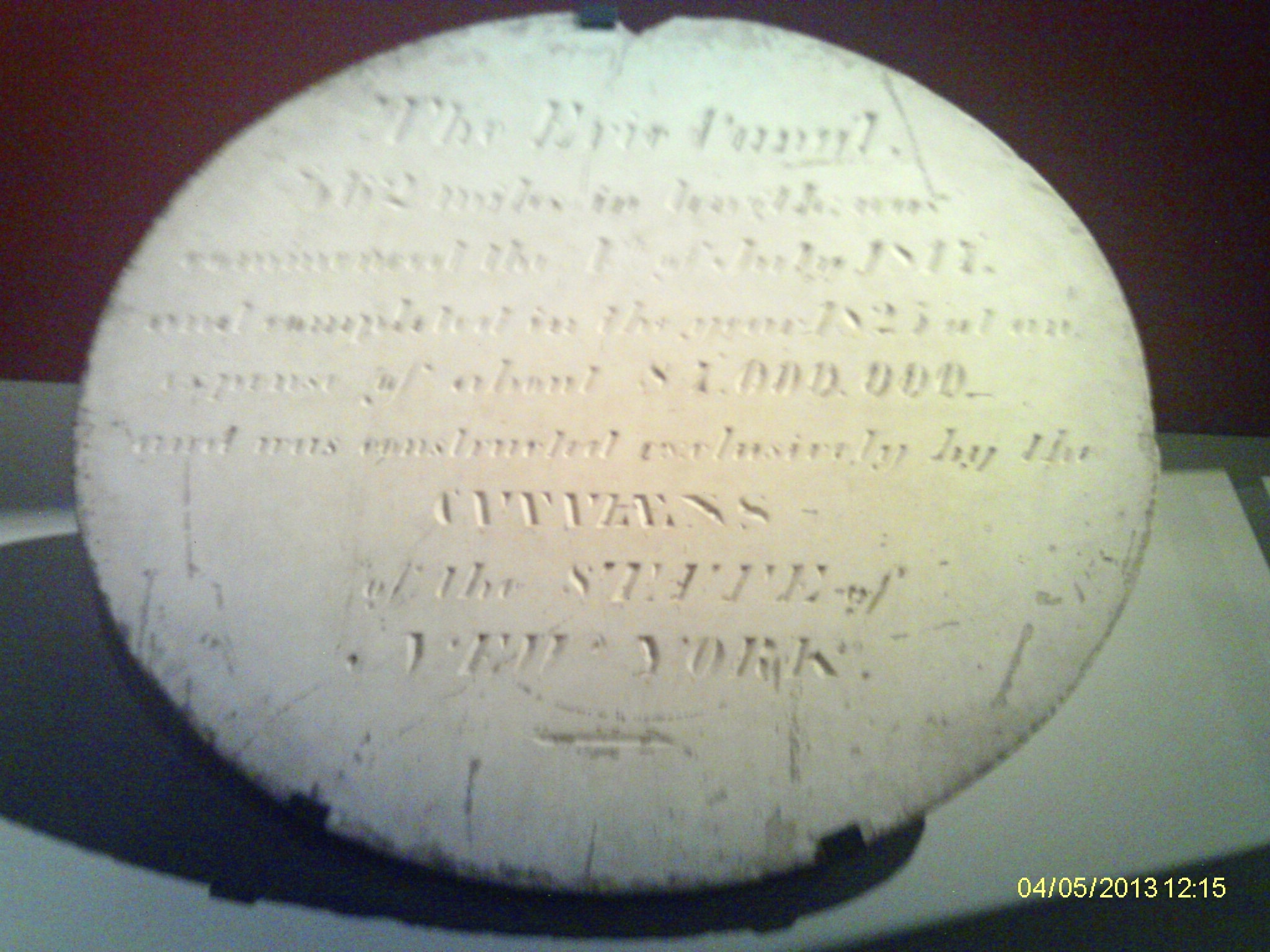
Erie Canal plaque, 1825

Erie Canal plaque, 1825

The scale is difficult to make out because there is nothing beside it with which to compare, but this plaque was about 2 feet tall and three feet wide. It is from the opening of the Erie Canal in 1825. The Erie Canal is something of a forgotten part of American history, but it was instrumental in tying the Atlantic Seaboard to the Midwest. I had never associated the two in my mind but, coincidentally or not, New York State abolished slavery two years after the canal’s opening.

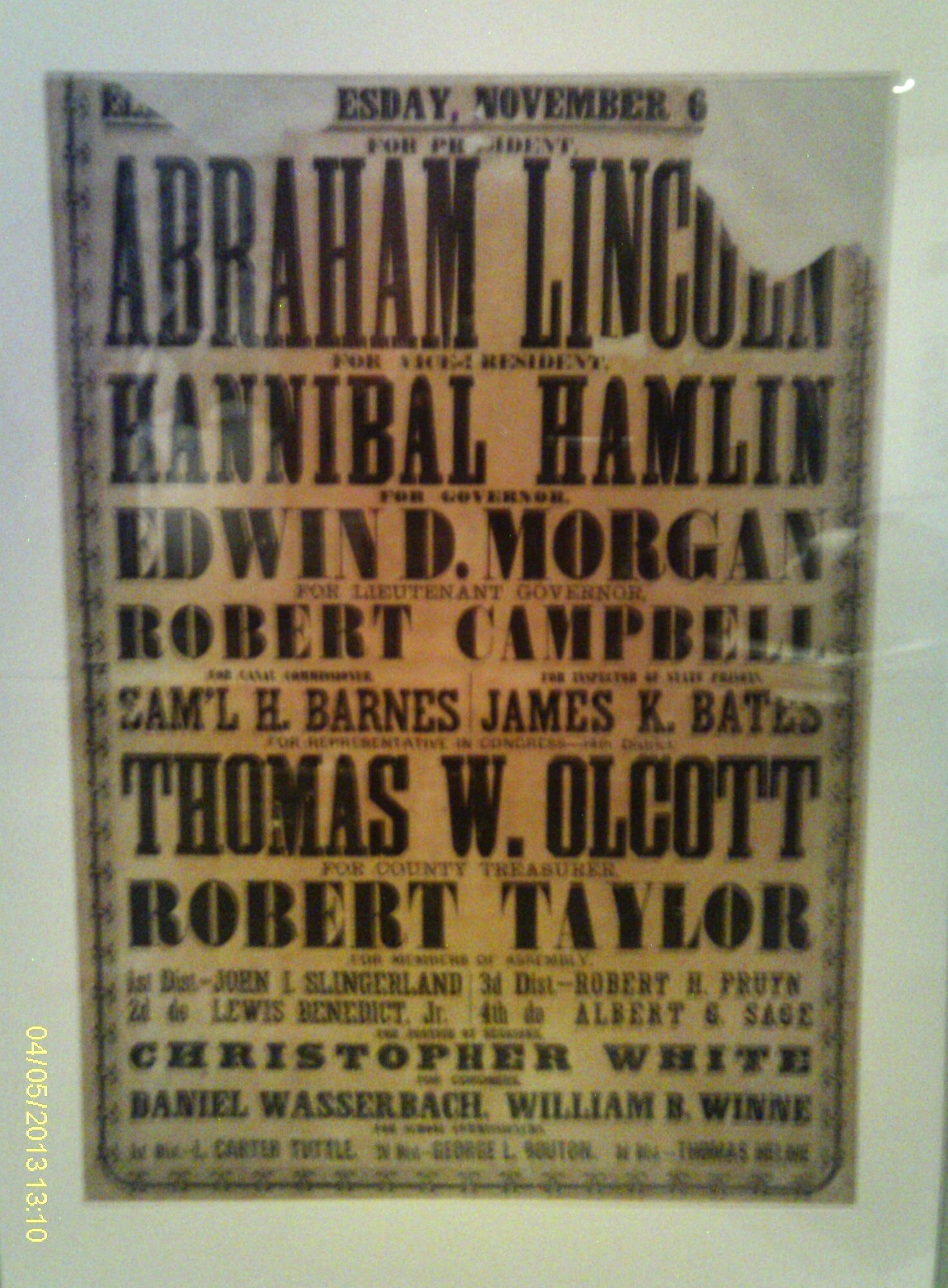
1860 Republican Party poster

Again the scale is tough to make out, but this campaign poster from 1860 measured about three by five feet. I loved the reference to Edwin Morgan, who won the New York gubernatorial race and was hugely influential in raising men and materiel for the Union cause.

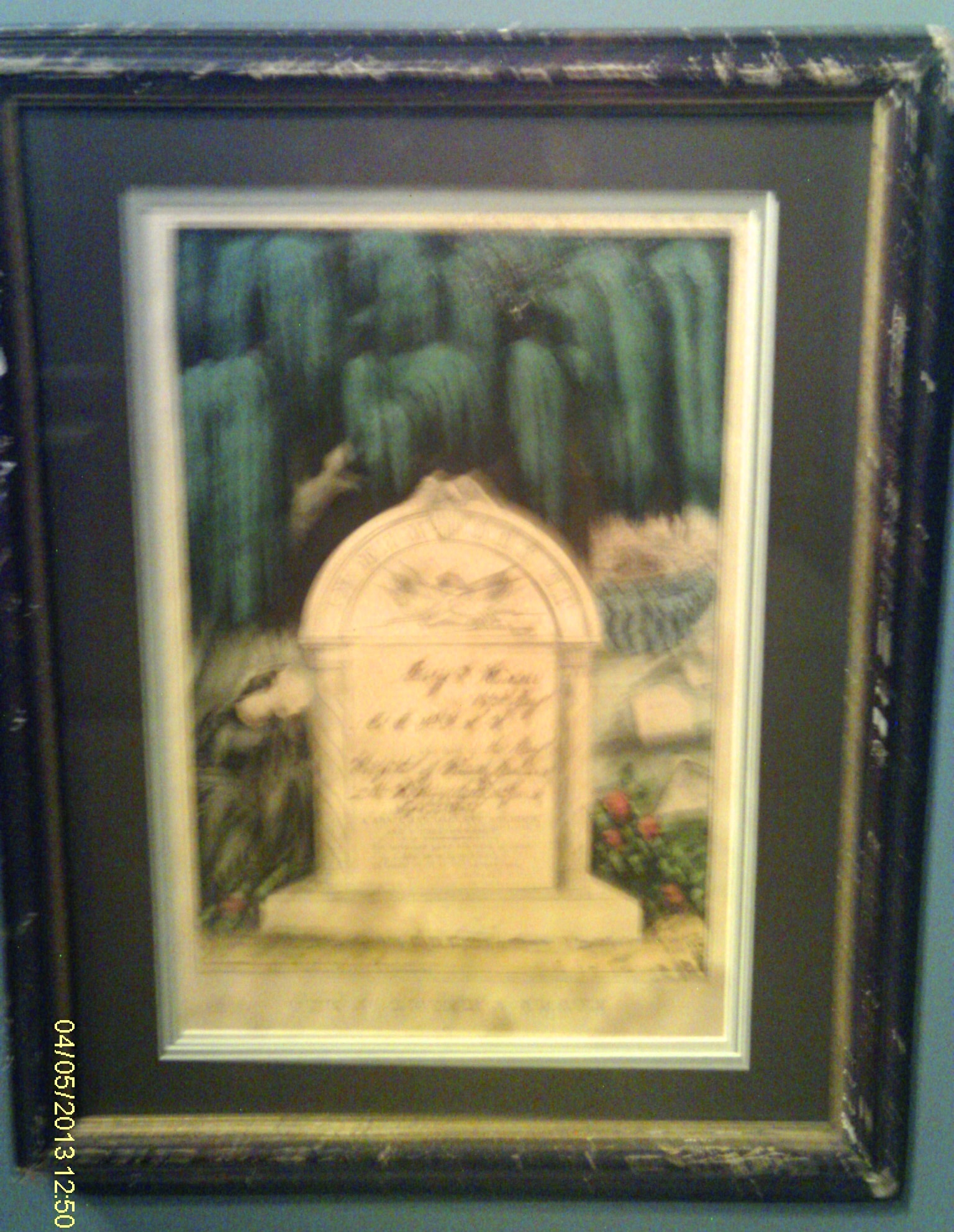
Currier and Ives memorial print

Currier and Ives memorial certificate

The photograph did not come out well but this object was so moving that I had to include anyway. Currier and Ives sold such certificates to the loved ones of those killed in the war. I imagine these were common, being an inexpensive way to commemorate the loss of a son, husband, or brother. If the soldier was buried far away, as many of course were, a lithograph of a headstone hanging in the parlor would have to do.

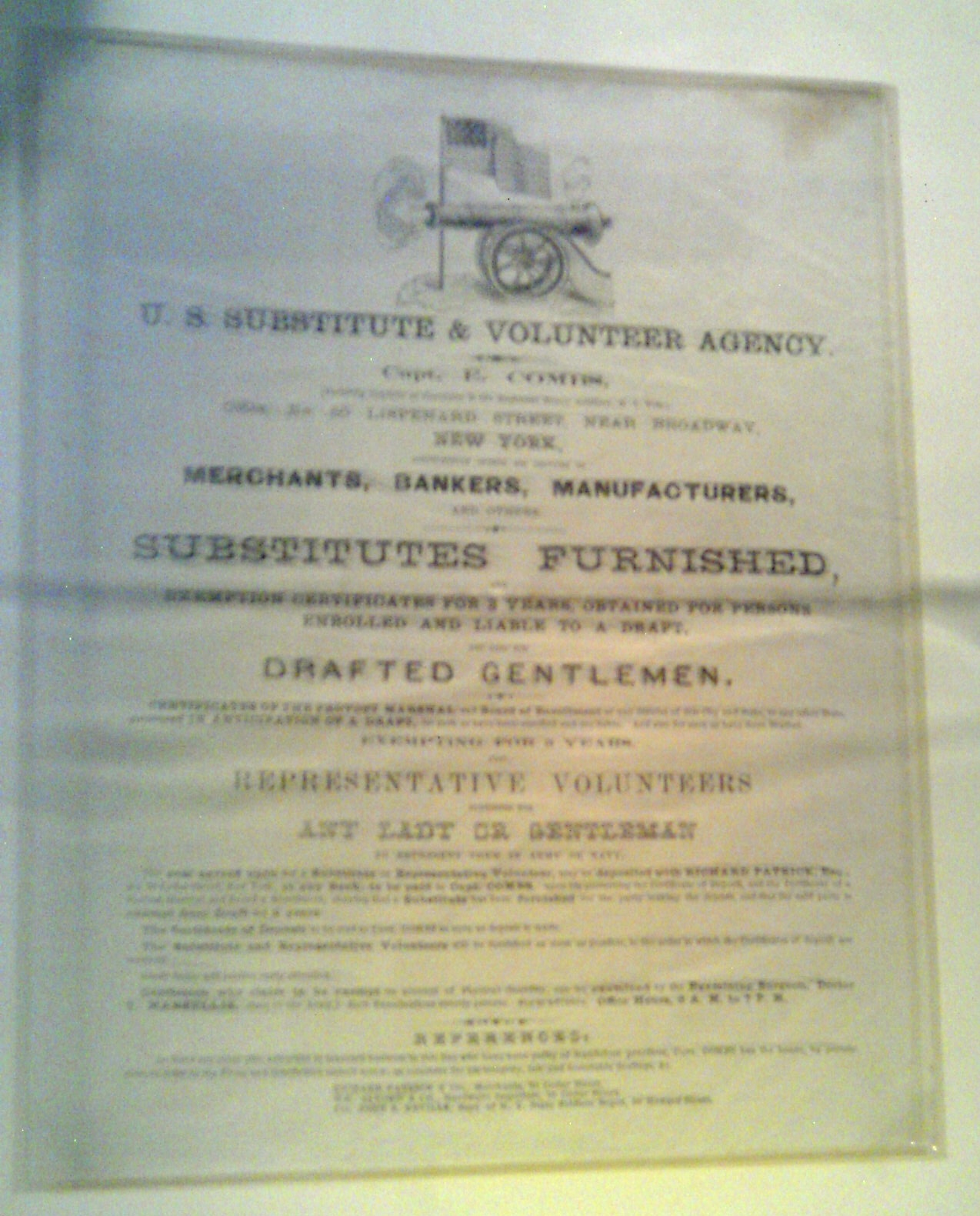
U.S. Substitute & Volunteer Agency

U.S. Substitute & Volunteer Agency

“Substitutes furnished”

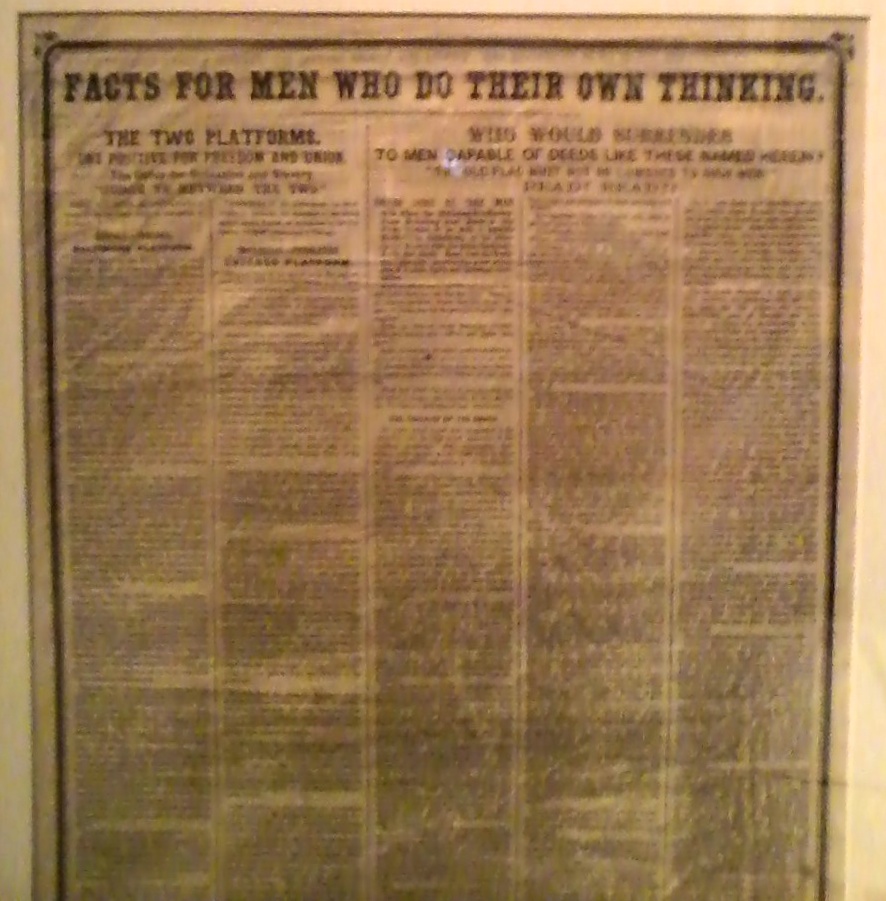
"Facts for Men who Do Their Own Thinking"

“Facts for Men who Do Their Own Thinking”

This was a pro-Lincoln broadside from the 1864 election versus McClellan.

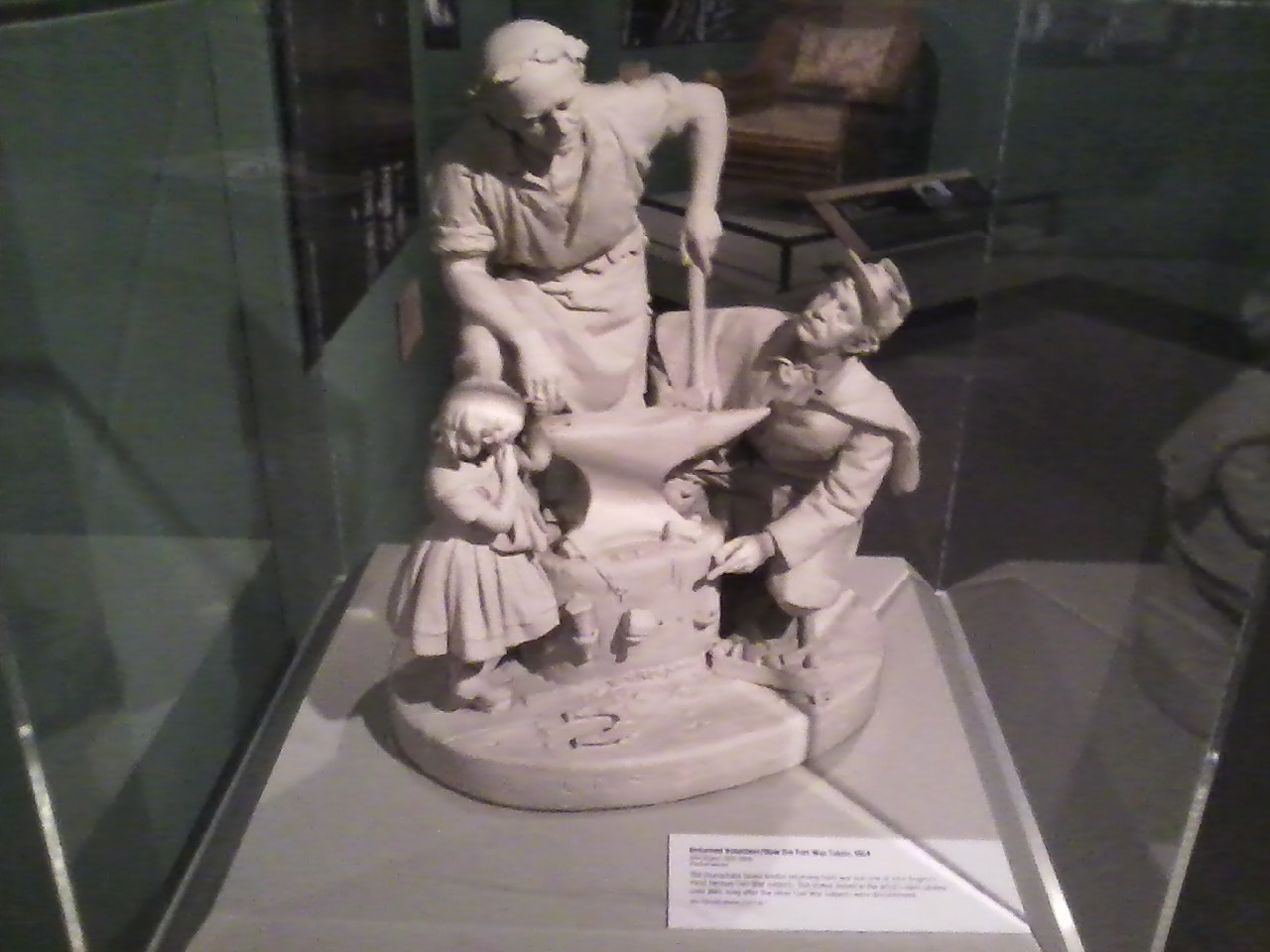
Returned Volunteer/How the Fort Was Taken, 1864

Returned Volunteer/How the Fort Was Taken, 1864

Sculptor John Rogers created many works with an abolitionist and Civil War motif before, during, and after the conflict. (See here from the New-York Historical Society.) The swords into plowshares reference is easy to intuit. Like the Currier & Ives certificates, these would have been low-cost ways for people to remember the war. Returned Volunteer remained in the Rogers’s catalog until 1889, a quarter century after it was first produced.

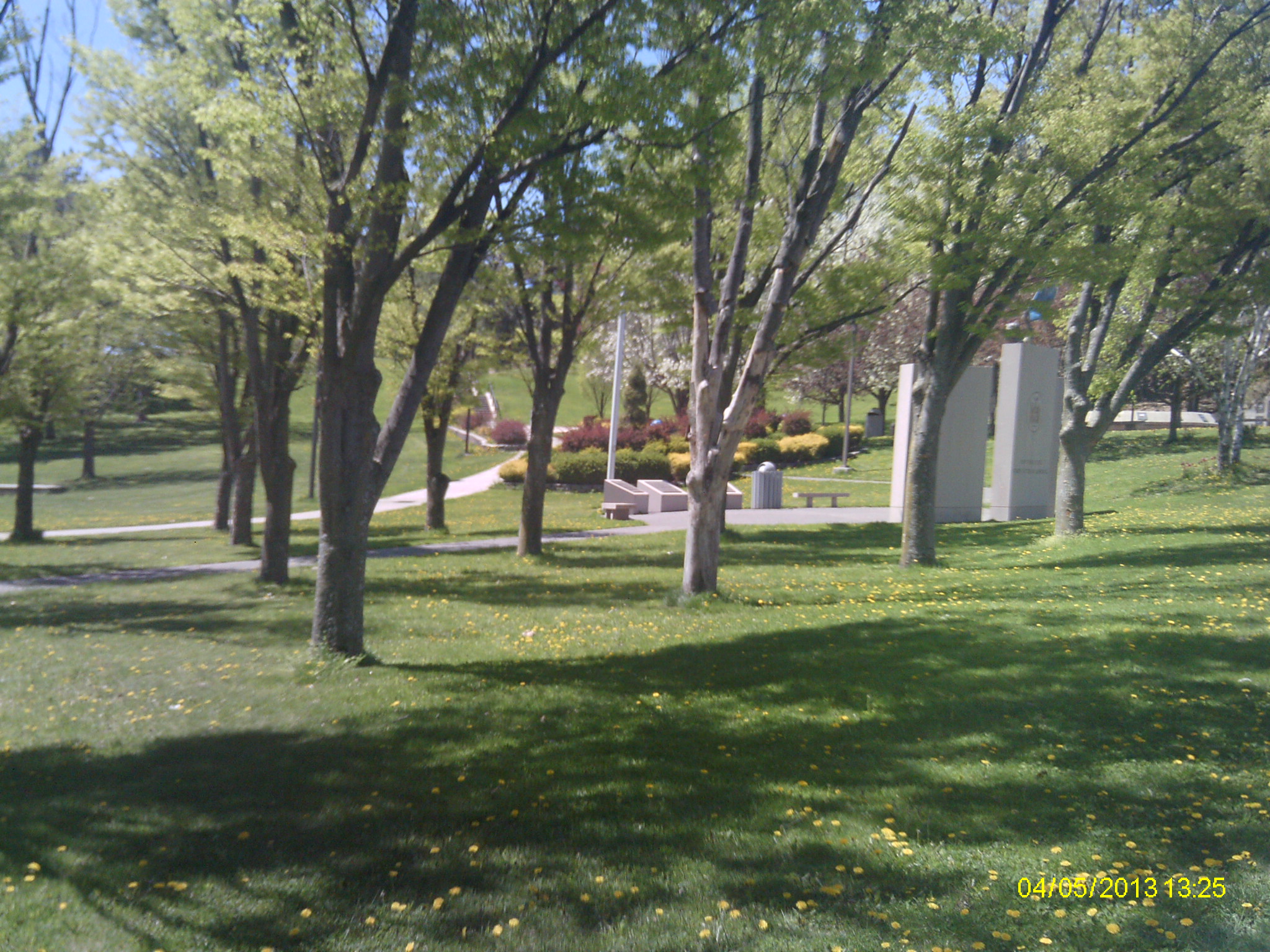
Spring

Spring

There was so much in the museum I had to step out and recharge my batteries. The people at the museum said it was unusually slow because the weather was so nice. Having left the house at 6:00 am to get the train from Penn Station to Albany, I was quite hungry. So, taking the advice of the museum folks, I headed to Lark Street for lunch. You have to pack it in on these day trips.

Elmer E. Ellsworth, 1837-1861

Elmer E. Ellsworth, 1837-1861

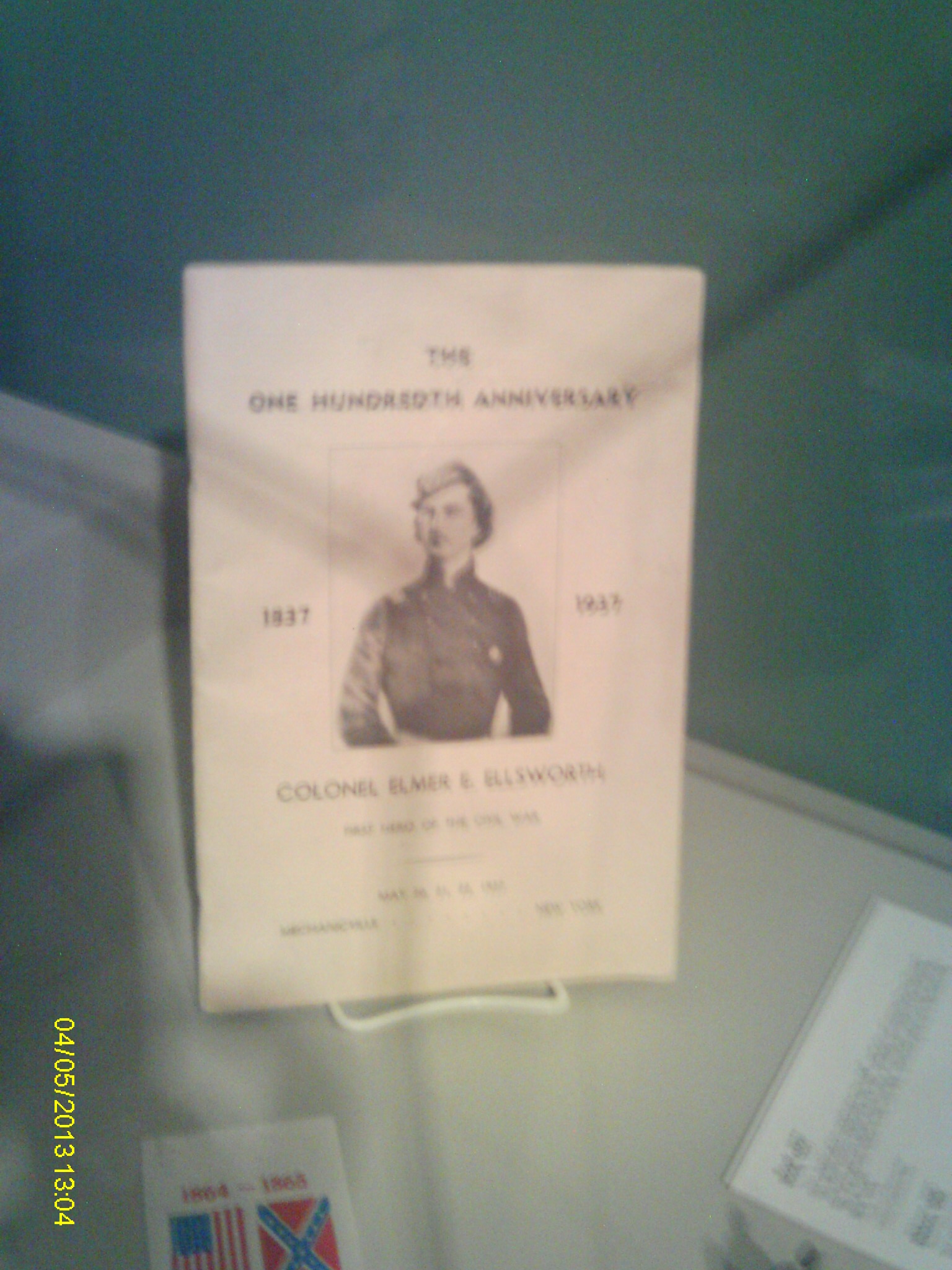
Another difficult one to make out, but this handbill commemorated Elmer Ellsworth’s one hundredth birthday in 1937. I found this interesting because it shows that the Civil War was not that long ago in the grand scheme of things. I mean, it’s from the FDR-era for heaven’s sake.

One for the Hayfoot

One for the Hayfoot

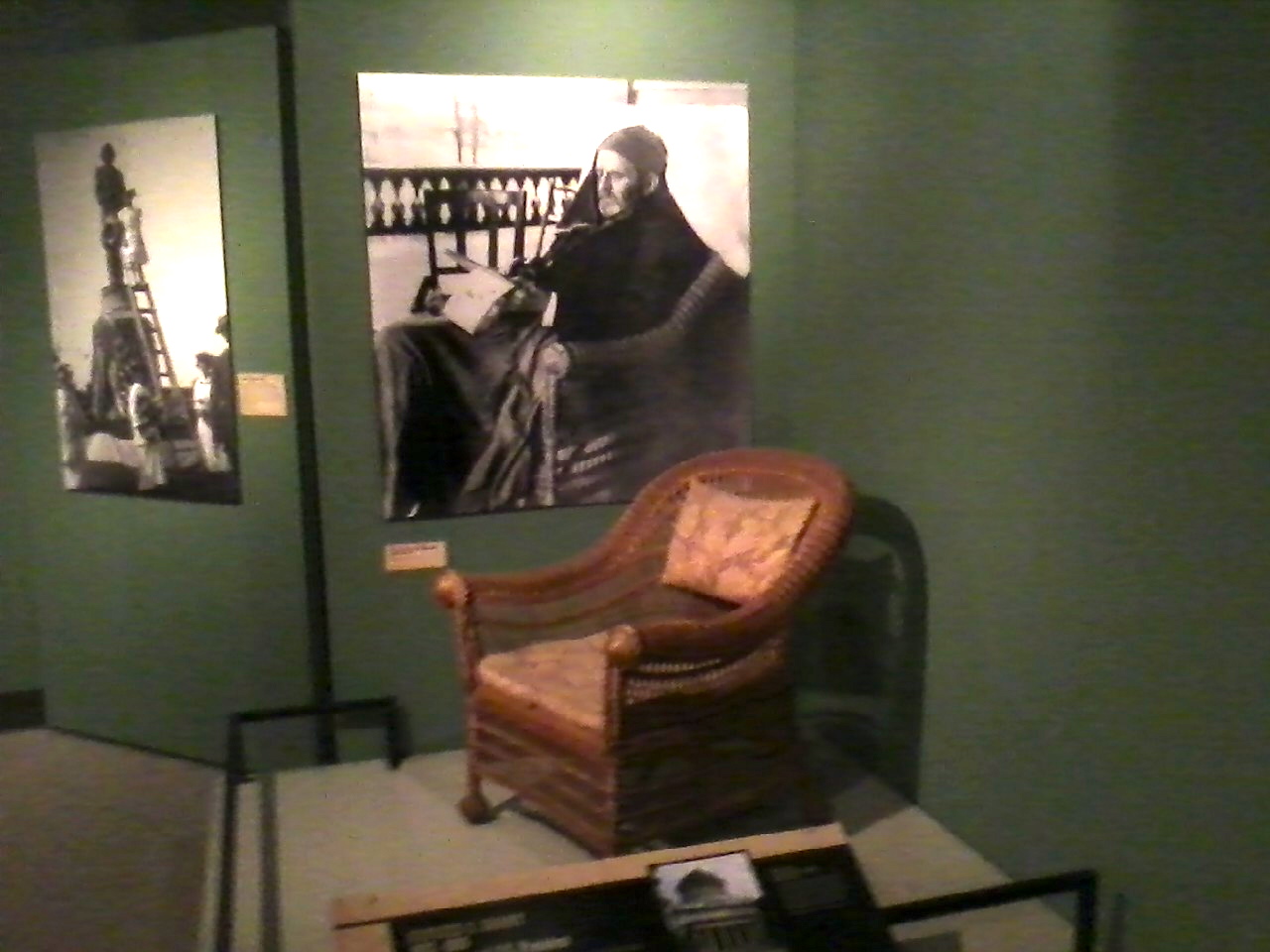
. . . and the pièce de résistance: the chair from Grant’s Cottage in which he raced against the clock to finish his memoirs before he died.

All-in-all it wasn’t a bad Saturday. You can catch An Irrepressible Conflict  at the New York State Museum in Albany through September 22. It is a long train trip from the city, but then again there is only one Civil War sesquicentennial.

Sunday Morning Coffee

I read with interest this morning of the death of architecture historian Henry Hope Reed. Reed’s passing marks the death of two great architecture critics this year; Ada Louise Huxtable died in January. I don’t believe they saw eye-to-eye on all things, but Reed and Huxtable at least shared the sentiment that the buildings and spaces we live, work, and unwind in matter in our lives. This was an especially important sentiment in the 1950s and 1960s, when urban planners seemed to have forgotten the importance of continuity and historical memory. Tension between the past and present is inevitable, and even healthy when kept in proper balance. Sadly, though, in New York it took the razing of Pennsylvania Station for some people to learn this lesson. Reed and Huxtable were on the right side in the struggle.

ParkReed was one of the founders, for lack of a better term, of the walking tour movement here. He led excursions of Central Park in the 1960s in which he taught people about the park and its history. Today we take Shorewalkers, Big Onion, and other organizations as a given, but in the New York of Mayor Lindsay they were anything but. It was something of an adventure in that much grittier and more crime-ridden era, and took a great deal of faith and foresight on the part of people such as Reed. Yesterday I took the train to Albany to visit the New York State Museum. The trip up the Hudson is scenic and majestic, especially when the season are changing. Near FDR’s Hyde Park one passes the Poughkeepsie Bridge, which is now the Walkway Over the Hudson State Historic Park. Such sites, broadly speaking, were made possible by the forward thinking of people like Reed. He had some misses too. He was vehemently against concerts and events he saw as intrusions in the park. Imagine the history of New York City, however, without such defining moments as Simon and Garfunkel’s Concert in Central Park. Still, Reed and people like him gave us so much to be thankful for. It’s something to think about the next time you are cutting across the Sheep Meadow.

(image courtesy NYPL)

The Library of America’s Civil War

511hRO7MviL._SY300_I have been a wee bit under the weather the past few days with a minor but pesky fever. Yesterday was the worst of it but there was still one bright spot in the day: when I checked the mailbox I discovered that my copy of The Civil War: The Third Year Told by Those Lived It had arrived. In what has become an annual rite during the sesquicentennial the Library of America has been issuing an annual installment for each year since 2011. Each edition contain approximately 175-200 primary sources for the corresponding year. Included are well known but nonetheless necessary documents such as the South Carolina Declaration of the Causes of Secession (Vol 1), the Preliminary Emancipation Proclamation (Vol 2), and Robert E. Lee’s offer to resign a few weeks after Gettysburg (Vol 3). What I love about the volumes, however, are the lesser gems like Henry Adams’s letters to his brother Charles, Herman Melville’s poem about the Battle of Shiloh, and Lee’s letter to his wife about rationing shortages in the Confederate Army during the winter of 1863. Each volume provides a flow for the events of that year, which is something I find helpful when reading about the war. It is important to remember the obvious, but easy to forget fact, that the people of the past lived their lives forward with no idea of what the future held. The Civil War did not follow a script. It is for this reason that I find it so easy to get caught up in each volume. Needless to say, I know what I will be doing for at least part of my weekend.

The Antietam Plan

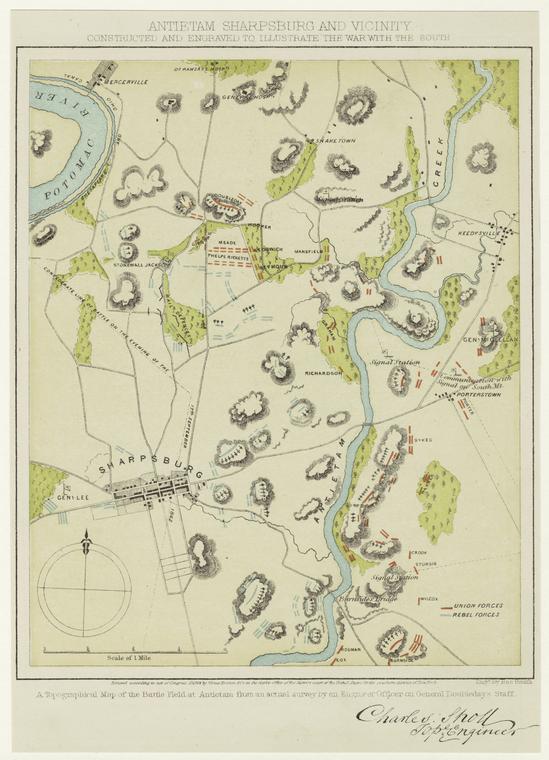
mapPhilip Kennicott of the Washington Post has written a lengthy piece worth the time of anyone interested in the history and fate of our national battlefields. A cottage industry has arisen in the last ten-fifteen years that analyzes the fascinating topic. It is more complicated than this, but one of the problems with battlefield preservation was the implementation of the so-called Antietam Plan in the late nineteenth century. In a nutshell: the Federal government, unwilling to take on new expenses and liabilities, created a barebones Antietam military park, laying a ribbon of right-of-way surrounded by existing farms. With a few exceptions, the Antietam Plan was the norm at all new parks in the coming decades. This was not so much of a problem in, say 1925, when the population of the Greater Washington DC area was still minimal. The land where the fighting took place looked much the same during the Coolidge Administration as it did in 1862. Things changed dramatically in the Automobile Age. For heritage tourism this was not entirely bad. How many anecdotes have you heard from people who remembered visiting a Civil War battlefield during the Centennial? Dad’s Buick is what made that happen. However, the rise of the automobile also led to the building of the interstates, which in turn led to suburbia, which led to encroachment into areas surrounding once untouched battlefields. Now, the Antietam Plan is creating challenges as sprawl shows no signs of abating.

For reasons that need no explanation, most of the battles in the Eastern Theater were fought in the 100 miles or so between Washington and Richmond. The DC area has changed markedly in recent decades. One sees the changing demographics all around. None of this is “wrong.” My family is part of these changes. We rent an apartment in Virginia, shop at the local big box stores to buy our paper towels and other housewares, and are figuring out little-by-little where to find the small pleasures of modern life we have come to expect and enjoy. We live in the twenty-first century. This past Sunday friends visited the Hayfoot at our apartment and said the area had evolved a great deal in just the few years since they themselves moved to a different part of the region. The extension of the Metro will accelerate the change even more. There are no easy answers when it comes to preservation.

(image courtesy NYPL)

The American Gateway

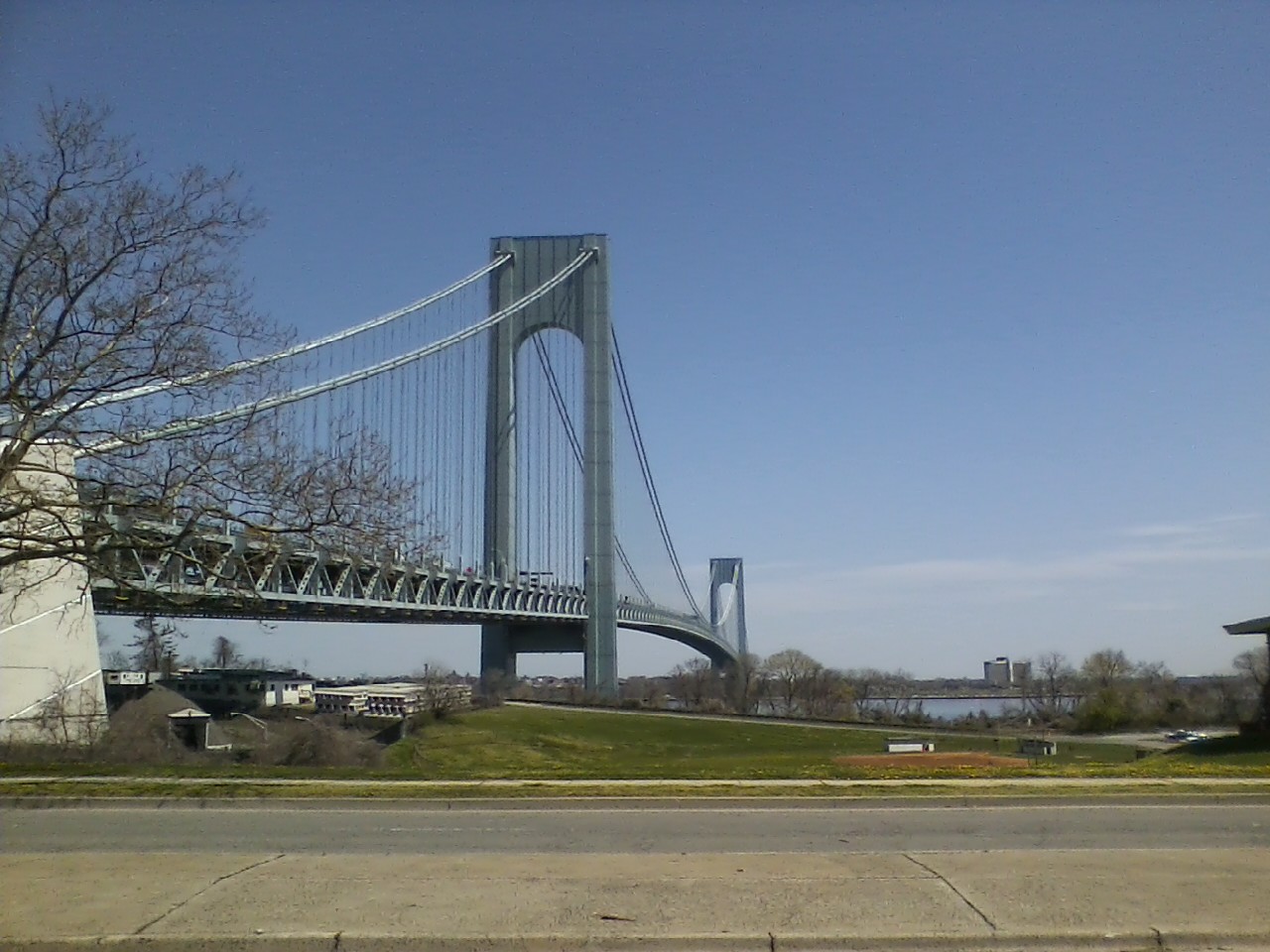
A friend and I went to Fort Wadsworth yesterday. The last time I was there was two years ago, when the Hayfoot and I visited the group of fortifications in Staten Island with someone we know. It is always a bit of a journey getting to these types of places in the outer boroughs. The way we go entails taking the subway to Bay Ridge and then a bus across the Verrazano. Bay Ridge is its own corner of New York City, and one that at least on the surface looks the same as it always did. You half expect to see Tony Manero strutting down the street eating two slices of pizza, stacked on top of each other of course.

Verrazano Bridge from Staten Island

Verrazano Bridge from Staten Island

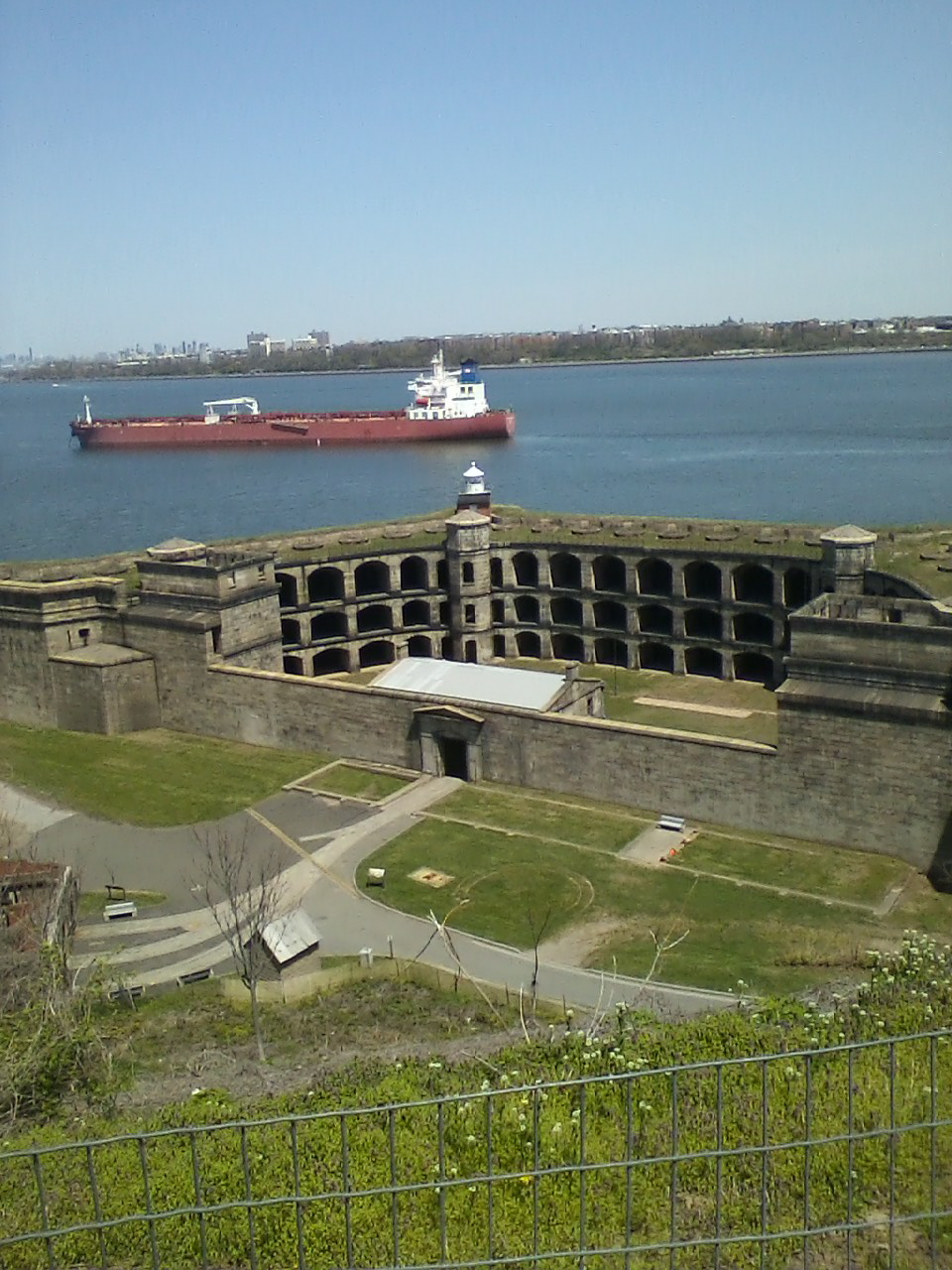
We had a great time yesterday visiting these New York Harbor forts whose history includes, among many other things, a young Captain Robert E. Lee working in the Narrows two decades before the Civil War. To our surprise and disappointment the Visitor Center was closed, due to Superstorm Sandy, sequestration, or something else I don’t know. Despite the disappointment we made the best of things and troopered on. It’s not tough when you have views like these:

Battery Weed and ship in New York Harbor

Battery Weed and ship in New York Harbor

Wadsworth is part of the Park Service’s Gateway National Recreation Area, which was created forty years ago to provide the ten million or so people in the Greater New York area with recreational and other opportunities. Golden Gate National Recreational Area was founded at the same time. Gateway success has been mixed. Millions visit its beaches every year, providing opportunities for those who otherwise might have to do without. It has also saved significant acreage of natural habitat, and created even more. It is strange to be hiking in marshland while seeing the Manhattan skyline in the far off distance. That’s Gateway. At the same time the consortium of sites has always had something of an identity crisis, struggling as it tries to be many things at once. Access is difficult. The infrastructure in many parts is aged and dilapidated, with predictable results on visitation statistics.

Gateway’s roots go back decades before the creation of the recreation area; in the 1930s and 1940s Robert Moses was active in many projects that eventually came under one umbrella in 1972. The storm of October 2012 is a tragedy and an opportunity for the various sites that make up the recreation area. Cathy Newman of National Geographic has more on the story. She won me over when she called Moses the “master builder,” and not the psychotic “power broker” we have been force fed by Robert Caro.

The Park Service, States of New York and New Jersey, and City of New York seem to be grasp the historical moment. There are significant challenges as well. It will be interesting to see what happens in the next few years.

The other commemoration

A tribute to Indians who served the British Empire in the Great War

Memorial to Indians who served the British Empire in the Great War, Ypres

I was surfing Ye Olde Online Bookseller the other day and couldn’t help but notice that the first of the WW1 centennial titles will be hitting the shops this fall. The books I perused were not being advertised as such, but I have no doubt that publishers have been signing historians for these projects in recent years with the anniversary in mind. I was especially glad to see that Margaret McMillan will have a new book, The War That Ended Peace: The Road to 1914. Her Paris 1919 is one of the authoritative books on the Versailles Treaty and its aftermath. When I saw the news of her upcoming title I couldn’t help but think of something a history prof told me once, more as aside than anything. He said it is often a wise move to write history backward, because you know at least the basic outline of events going in. I have no doubt that Professor McMillan’s latest will rise to her usual high standards.

A few of us at work were having coffee the other day when we got on the subject of the Great War centennial. Someone wondered aloud to the group if there was a specific date one can christen as the anniversary of the war. In comparison, there is no 100% consensus on the anniversary of the Civil War sesquicentennial, but Fort Sumter is the most common answer. For World War 1 it could be the assassination of Archduke Ferdinand, 28 June 1914; Austria-Hungary’s attack on Serbia on 28 July; or any of the succeeding  dates of mobilization for the various principle participants. I suppose the anniversaries might and will vary from country to country. The United States did not become officially involved until 1917; I would be surprised though if the World War 1 Centennial Commission waited until 2017 to unroll its commemorations.

Here is a piece, with remarkable photos, about a massive undertaking currently underway in Europe to refurbish many thousands of headstones. I have been to Flanders Fields and can testify that it is powerful and moving to see. I am making it a goal right now to get back in the next few years during the anniversary.

It will be interesting to see if the commemoration of the Great War will lead to a paradigm shift in our understanding of the conflict, which would be something given that so many of the problems in the world today can be traced, at least in part, to ’14-’18. Whatever happens, it will be worth watching.

(image/Zeisterre)

Remembering Levon Helm, 1940-2012

Levon Helm, September 2011

Difficult as it is to believe, it was a year ago this week that Levon Helm left us. I just returned from the Village where I saw Ain’t in it for my Health, a recently released documentary that chronicles the musician’s final few years. The film is remarkably candid about the disputes with Robbie Robertson over royalties and credits, which contributed to The Band’s breakup in the mid-1970s and were never financially or emotionally settled even at the time of Helm’s death; the health issues that took away his voice and strength; and the related fiscal woes that led him to start the Midnight Rambles ten years ago. The film also captures the struggles we individuals face in handling the burdens of advancing age. Somehow, Helm managed all this with a palpable determination and grace. Of course I have him on the turntable right now. Here is a reprise of last year’s tribute:

The other night I was sitting on the sofa when the voice of Levon Helm wafted from the other room. The Hayfoot was watching a video clip of “The Night They Drove Old Dixie Down.” Instinctively I got up and went into the bedroom, where we watched it lying down. Like so many other songs sung by Helm–“Up on Cripple Weight,” “Don’t Do It,” The Weight”–it never fails to move. Sadly, the voice has been silenced; Helm died of throat cancer in New York City on Thursday. The drummer was born in the Mississippi Delta town of Elaine, Arkansas and grew up in nearby Helena. When he was a teenager Helm became the percussionist for Ronnie Hawkins. The two Arkansans eventually ended up north of the border and playing in a unit known as Ronnie Hawkins and the Hawks. After breaking off from Hawkins, the unit morphed into Levon Helm and the Hawks. Soon they were backing Bob Dylan just as the Hawks. Eventually the five members of the group–Helm, Robbie Robertson, Rick Danko, Richard Manuel, Garth Hudson–went out on their own as simply…The Band.

The group released its first album, Music From Big Pink, in July 1968. Big Pink was the group’s rented communal house in upstate New York. The album is notable for many reasons. First, it was a fully realized piece of work, created by musicians who had already woodshedded for a number of years. Released during the worst excesses of the Age of Aquarius, Big Pink manages to avoid the indulgences of the era. The reason for this, I believe, is because Helm especially was so grounded the American Songbook. You can’t have been a musician growing up in the Mississippi Delta in the 1940s and 1950s and not absorb its traditions. The first music group Helm saw in person was Bill Monroe and the Blue Grass Boys in 1946, the incarnation of that band that included Lester Flatt and Earl Scruggs. He was six years old. Helm later saw Elvis play in person several times–Memphis being less than an hour’s drive from Helena–before the man who would be King was a cultural phenomenon.

Tradition meant a great deal to Helm and to everyone in The Band. 1968 was a year of turmoil throughout the world. A short list of incidents include: the Tet Offensive, the assassination of Martin Luther King Junior and subsequent rioting in hundreds of American cities, the Events of May in Paris that almost overthrew the French government, and the assassination of Bobby Kennedy in June. And that is just the first six months of the year. At a time when the battle cry for many baby boomers was “Don’t trust anyone over 30,” the group members pointedly posed with their extended family wearing their finest for what would be a widely disseminated group photo. Roots.

The Band’s original incarnation dissolved in 1976 after the famous Winterland concert filmed by Martin Scorsese and released as The Last Waltz in 1978. The breakup was probably inevitable given the tension, creative and otherwise, between Mr. Helm and Mr. Robertson. Helm later went on the road with other iterations of the lineup but to less effect. He was first diagnosed with cancer in the late 1990s and fought the disease, with periods of remission, up until the end. Helm was always an active musician, but in part to pay his medical expenses he was especially productive over the last several years of his life. Two of his finest efforts came during this period: Dirt Farmer (2007) and Electric Dirt (2009). He was proof positive that a rock star can age gracefully if he acts his age and stays himself.

With some artists it is just a lifelong thing. Thankfully for us.

(image/Parker JH)