• About

The Strawfoot

~ a New Yorker's American History blog

The Strawfoot

Category Archives: Memory

Shadows

08 Sunday Jul 2012

Posted by Keith Muchowski in Memory, The new South

≈ Comments Off on Shadows

Last night I watched a documentary called Long Shadows: The Legacy of the Civil War. The film was produced by Ross Spears, a documentarian whose focus is Southern literature and culture. Spears made the film in the mid 1980s and he interviewed a disparate collection of historians, journalists, novelists, and plain folks (Northern and Southern) about their views on the Civil War and its legacy. Part of what makes the film interesting is that for many of the talking heads the war was not “history” but a tradition passed on to them in their youths by living relatives, often grandfathers who fought in the war. Those interviewed include Jimmy Carter, Robert Penn Warren and C. Van Woodward (together), Tom Wicker, John Hope Frankiln, Studs Terkel, and the incomparable Albert Murray. (Quick digression: I once ran into Mr. Murray in the Strand bookstore and can attest that in person he indeed has that mischievous smile and graciousness one would expect.) Born in the first decades of the twentieth century, these individuals saw their region transform from a poor backwater region to the Sunbelt mecca it is today. The film captures some of the exhaustion that was prevalent in the decade after the energy crisis, the fall of Saigon, and immediate post Civil Rights Era. The film does and excellent job explaining how the Civil War is still very much a part of our lives and why we should care today. The past is never dead. It isn’t even past.

Originally released in 1987, Long Shadows is about due for a sequel or at least a postscript. Hopefully Mr. Ross will use the sesquicentennial to update his film and show us how the long shadow of the Civil War continues to offer shade and darkness a quarter century after its original release.

Remembering the War of 1812

01 Sunday Jul 2012

Posted by Keith Muchowski in Memory, War of 1812

≈ Comments Off on Remembering the War of 1812

I mentioned a few weeks ago that the bicentennial of the War of 1812 is now underway. To be specific it began on June 18, the anniversary of President Madison’s signing of the Declaration of War against Britain. Americans so far have not paid much attention to this milestone, probably because the war was such a politically, militarily, and morally ambiguous episode in our nation’s history. Even the name of the conflict is unhelpful; General Andrew Jackson stopped the British at the Battle of New Orleans in January 1815. North of the border it is a different story. The Canadian government is going all out to mark the event. In all the articles I have read so far in my crash course on the war by far the most thoughtful is this piece by Jon Wells. The best way to think of the war is an an international event, especially as part of the Napoleonic Wars. When the war ended America’s westward expansion also began in earnest. No less than six states joined the Union between 1816 and 1821, the last being Missouri (1821) after the Compromise of 1820. We all know what that helped eventually lead to.

Thankfully, the New York State Museum has created a website to recognize the Empire State’s significant role in the war.

(image courtesy MJC Detroit/Perry’s Victory and Internation Peace Memorial, South Bass Island, Ottawa County, Ohio)

Paul Fussell, 1924-2012

24 Thursday May 2012

Posted by Keith Muchowski in Memory, Those we remember

≈ Comments Off on Paul Fussell, 1924-2012

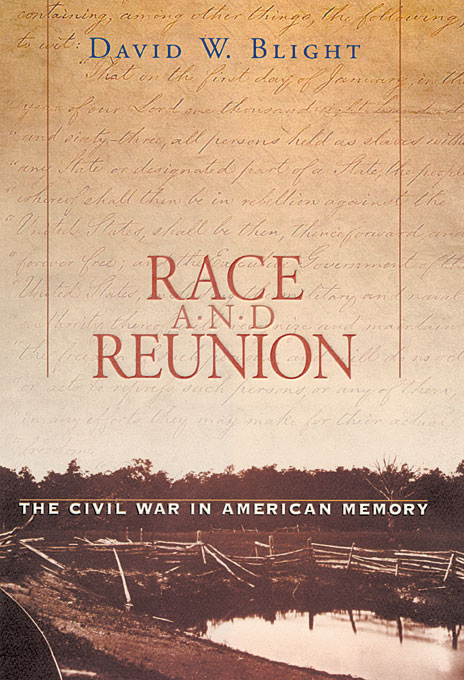
Paul Fussell has died. His The Great War and Modern Memory (1975) is the ur-text on how the people of the twentieth century chose to remember and mythologize the Great War, and war in general. As an infantry officer in the Second World War and, later, a literary theorist, Fussell was uniquely positioned to explain the writings of Siegfried Sassoon, Wilfred Owen, and the rest of the War Poets. Modern Memory is to World War 1 what David Blight’s Race and Reunion is to the Civil War, seminal books one must confront for a fuller understanding of those conflicts. That is not to say one must agree with everything each scholars says. Even when disagreeing, however, one must analyze their arguments, take them seriously, and think hard in formulating a response. That is a greater tribute than mere agreement.

Fussell was a provocateur who also wrote about travel, class, anti-intellectualism, and whatever else was on his mind. His most notorious piece was Thank God for the Atom Bomb, which the New Republic published in the early 1980s.

(image/a young Lieutenant Fussell, May 15, 1945, one week after V-E Day; U.S. Army)

The other New York

11 Sunday Mar 2012

Posted by Keith Muchowski in Memory, New York City

≈ Comments Off on The other New York

New York Thruway

Many visitors to New York assume that the the five boroughs, especially Manhattan, “are” New York. Why shouldn’t they? Many who reside here think the same way as well. New York State has a rich heritage dating back nearly four centuries, longer of course when one factors in Native American history. That so few people are aware of this history is largely the state’s fault. In the early years of the twentieth century Virginia and Massachusetts rigorously advertised their roles in the American storyline. New York was slower to do so and has been paying the price ever since. That’s why schoolchildren learn about Bunker Hill and Appomattox but not the Battle of Long Island or Evacuation Day. Hopefully an initiative announced by Governor Andrew Cuomo this past Thursday will do something to rectify that. The “Path Through History” will bring together prominent historians to identify points of interest along the New York State Thruway where heritage tourists can get more than a cup of coffee and a fill up. The program is similar to the Journey Through Hallowed Ground that traces the Old Carolina Road through parts of Virginia, Maryland, and Pennsylvania. The wife and I have taken the road less traveled many times and have always been rewarded by the experience.

No timeline has been set for the identifying and marking of historical points to interest along the nearly 600 miles of the New York Thruway, but my guess is that they will start popping up later this year or in 2013. There is certainly much to identify; a short list might include spots along the Underground Railroad, the William Seward home, John Brown’s farm, and Grant Cottage where the general and president died. This is a worthwhile endeavor that will highlight New York’s rich history while also bringing tourist dollars to parts of the state that do not always benefit as well as they might. Look for it soon.

(image/Doug Kerr)

Winter reading

31 Tuesday Jan 2012

Posted by Keith Muchowski in Memory

≈ Comments Off on Winter reading

It doesn’t feel like a New York winter based on the temperature outside, but nonetheless the calendar still reads January. Today I finally began David Blight’s seminal Race and Reunion, which I had shamelessly pulled from the shelves of the library where I work several months ago and kept in my office all this time. I am not totally new to Blight’s work, having read American Oracle when it was released this past fall. And, of course, he is a fixture on the book talk show circuit. For those who may have missed it, the scholars at Emerging Civil War ran this series in October marking the 10th anniversary of the book’s release. I’m going into R&R with an open mind, but am aware of its premises and the counter-arguements against it. In yet another sign that I married the right woman, the Hayfoot came home from the public library a few months back with Gary Gallagher’s The Union War for me to read, finding all by herself on the New Arrivals shelf.

Memory has been a major component of contemporary historiography for well over a decade and this trend has only accelerated during the sesquicentennial. The first time I ever truly questioned my assumptions about the American Civil War was when I read Tony Horowitz’s Confederates in the Attic in 1998. In it he mentions the potential unreliability of such seemingly unimpeachable cornerstones of Civil War scholarship as the Official Records of the War of the Rebellion. Horowitz explains how figures on both sides provided details of the war in the OR and in their memoirs that were clouded by self-serving prejudices and faulty memories. Call me naive if you want; I was a lot younger then. It was the first time I had ever seen it put in those terms before, and it is still what I took away the most from Horowitz. That all, or even some, of your assumptions may be wrong is a very unsettling thought.

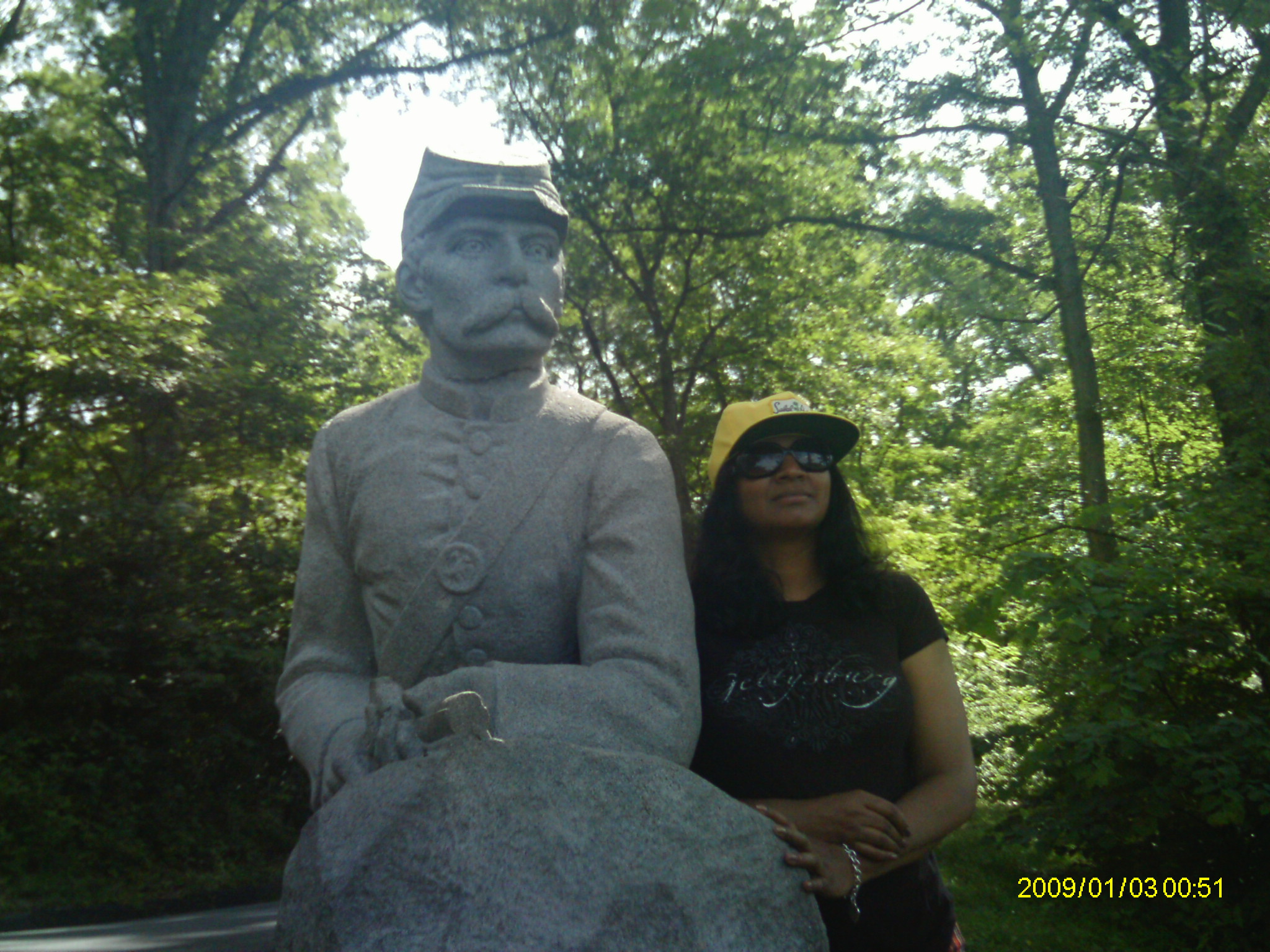
The following year I went to Shiloh for the first time. Seeing the monuments the veterans constructed to themselves in the years roughly from 1880-1910 I could not help but wonder how and why they came to be. Every June my wife and I visit Gettysburg and, if anything, the hows and whys are even more intriguing at the war’s High Water Mark. I’m looking forward to reading Blight’s work and will comment on it when I finish.

“Pearl Harbor? Who’s she?”

07 Wednesday Dec 2011

Posted by Keith Muchowski in Memory, WW2

≈ 2 Comments

Pearl Harbor 2011

A few years ago the father of a good friend of mine happened to be in the food court of a shopping mall on Memorial Day. This is a man, now in his eighties, who served in the Air Force and later played semi-professional football. He still has his leather cleats. Lou is the essence of Old School. Like shopping mall food courts throughout the country, this one was full of teenagers. Striking up a conversation with the 4-5 at the neighboring table he asked them if they knew what Memorial Day was. After the blank stares, one offered that it was a day off from school. My friend’s dad was not impressed.

When I was in school in the seventies and eighties a visit from a World War 2 vet was a HUGE deal, even in the most cynical of times just after Vietnam. (I graduated high school just a decade after the Fall of Saigon.) One vet recounted today that during a recent school visit a girl asked who Pearl Harbor was and why he was there to talk about her.

I offer these stories not to blame our country’s historical amnesia on young people, but to emphasize the educational crisis we face.

I have written about the significance to me of D-Day and aging veterans before. Personally, Pearl Harbor Day 2011 is the end of something tangible, akin to the 75th anniversary of Gettysburg in July 1938 when aged veterans turned out for one final gathering. President Roosevelt was in attendance; three years after dedicating the Eternal Peace Light Memorial in front of the 1,800 veterans and 150,000 citizens that summer day he would tell the country that December 7 would forever live in infamy. Today in Hawaii the Pearl Harbor Survivors Association held its final gathering. There are just too few Pearl Harbor survivors left seventy years later to justify a seventy-first. There will be more World War 2 anniversaries between today and the commemoration of V-J Day in 2015, but for me they will no longer seem the same. By 2015 there will be fewer WW2 veterans, and those remaining will likely be too infirm to participate in any meaningful fashion. Time moves on. It was ever thus.

(image/U.S. Navy)

Homeward bound

18 Friday Nov 2011

Posted by Keith Muchowski in Memory

≈ 1 Comment

Hey everybody, it is Friday afternoon and I am in the Albany Amtrak station waiting for the 3:05 back to New York.  I had a fun and productive two days here at the Researching New York conference.  My panel was this morning.  I spoke about the New York Harbor defenses during the Civil War; my co-panelist Bruce Dearstyne gave an informative presentation on the state of Civil War memory and historiography within New York State.  As you can imagine this set off a lively discussion during the Q&A period. I could not agree more with his premise that the Empire State needs more and better Civil War scholarship at the state and local levels.  For myriad reasons, this is not happening to the extent one would like.  New York sent more men and materiel to the cause than any state in the union.  It would be a tragedy if the state’s role in the Civil War were lost in the narrative.  I guess the sesquicentennial is our opportunity to not let that happen.  To be continued.

An hour with Drew Gilpin Faust

23 Monday May 2011

Posted by Keith Muchowski in Memory

≈ Comments Off on An hour with Drew Gilpin Faust

Earlier this month Drew Gilpin Faust, president of Harvard and author of Mothers of Invention and This Republic of Suffering, delivered the 40th Jefferson Lecture at the Kennedy Center in Washington, DC.  It is a sober and thoughtful meditation on the meaning of the American Civil War and war itself.  Sadly, the piece has few than 650 views as of yet.  It is worth an hour of your time.

Richmond’s African burial ground

17 Tuesday May 2011

Posted by Keith Muchowski in Memory

≈ Comments Off on Richmond’s African burial ground

A case involving an African burial ground in Richmond, Virginia is set to go to trial next week.  The disputed site is currently a car park.  According to the Examiner:

The parking lot has been a subject of contention for at least 20 years. In 1992, a local historian, did research indicating that the parking lot, then owned by VCU, was part of a larger site known historically as the Burial Ground for Negroes.  Research indicates that African Americans, free and slave, had been buried in the area since the late 1700s…

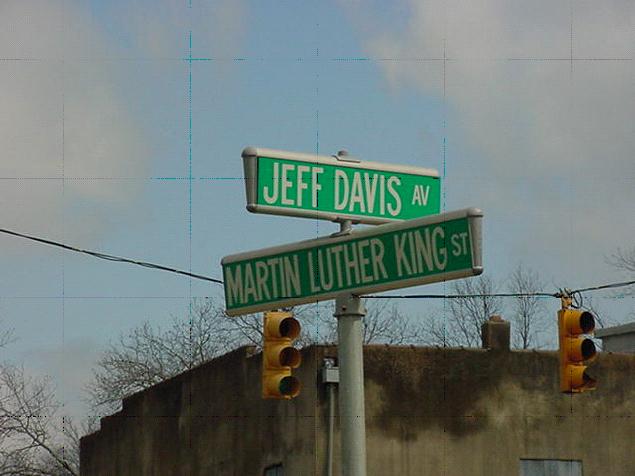
…To many Richmonders, particularly African Americans, it is a battle for historical parity. Monument Ave has huge memorials to fallen Confederate heroes showcasing Richmond’s past as the Confederate capitol. Hollywood Cemetery has huge well kept graves of Confederate soldiers. Hollywood Cemetery also houses the grave of Confederate President Jefferson Davis and his family.

Stay tuned.


How to visit a Civil War site, part 2

10 Thursday Mar 2011

Posted by Keith Muchowski in Memory, National Park Service

≈ Comments Off on How to visit a Civil War site, part 2

Hey everybody,

This is the second of a two part series on visiting Civil War battlefields.  In case you missed it, part one is here.  There has never been a better time to experience our Civil War sites than today.  I hope you are able to visit at least one during the sesquicentennial.

Rule 6:  Don’t be frustrated by how little you know

The first time I visited Gettysburg, in 2008, I realized just how little I knew of that campaign.  I’m no Harry Pfanz, but my knowledge of events in southern Pennsylvania in June and July 1863 is now considerably greater than it was three ago.  Acquire an awareness of the site before visiting, but realize that most of your learning will take place after you leave.

Rule 7:  It’s not just the battle, it’s the battlefield—and what it means

Visiting a historical site allows us to make a connection to the past in a tangible way.  There are few things more meaningful to me than walking a Civil War battlefield. Ironically, however, I am less interested in the minutiae of the battles than the causes, legacy, and meaning of the war.  Without question, one needs a firm understanding of the military aspects of the conflict to understand how and why it played out the way it did.  It was the slim victory at Antietam that made Lincoln’s release of the Emancipation Proclamation a few days later possible.  If Sherman does not take Atlanta in September 1864, it is possible McClellan wins the White House in November and the Confederate States achieve independence.  Lincoln understood the importance of military affairs as much as anyone.  As he said in the Second Inaugural, “[It is t]he progress of our arms, upon which all else chiefly depends.”  There is still a lot of work to be done to tell the full and true story of the military side of the war.  Just remember that the battle isn’t the whole story.

Civil War historiography has undergone a transformation in the past several decades.  With this change has been the rise of Memory Studies.  How many monographs have you seen in recent years titled The Civil War, [insert subject], and Memory?  I believe this is a good thing.  One of the most revelatory books I’ve read in recent years is Timothy B. Smith’s The Golden Age of Battlefield Preservation: The Decade of the 1890’s and the Establishment of the First Five Military Parks.  Professor Smith, a former ranger at Shiloh National Military Park, traces the preservation and memorialization of the Shiloh, Gettysburg, Antietam, Vicksburg, and Chickamauga/Chattanooga parks in the 1890s.  He explains how Union and Confederate veterans literally built monuments to themselves and why the decisions they made in the late nineteenth century effect how we understand those engagements today in the twenty-first.

The reasons why the veterans and their successors made the decisions they did are, at least to me, as fascinating as the battles themselves.  Especially now during the sesquicentennial, historians, journalists, and rangers are analyzing the parks not only to understand more fully what took place there but to unravel the myths that too often have taken the place of history.  The same is true of Civil War cemeteries, historic structures, and other sites.
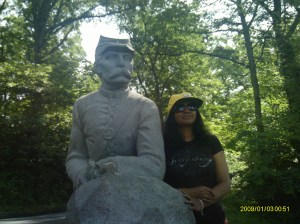
Built primarily in the 1880s and 1890s when the soldiers were aging, the monuments functioned to tell the veterans’ story after they were gone.

Rule 8:  Visit when you can

Shelby Foote advised that one should visit during the time of year the battle took place.  For instance, one would ideally visit Fredericksburg in December to experience the cold and note the lack of foliage on the winter trees.  The key word is ideally.  The reality is that it may not be possible to do so.  Visit when you can.  Research the trip to see if any events are happening that you would like to see—or avoid.  It was only luck that helped me miss Noise Week in Gettysburg during my first visit.  Personally, I avoid anniversary time because it tends to be busy.  Note too that many worthwhile events, such as the Antietam Illumination, take place at different times of the year than the battle anniversary.

Rule 9:  Avoid the crowds

Little Round Top at 3:00 pm on a Saturday is not the best idea.  As I said in part one, visitation is currently at record levels across the Civil War national parks.  Nonetheless, quiet places are there to be had by those adventurous enough to stray off the beaten path.
Rule 10:  Have fun

Life is too short not to stop for an Italian ice.

Newer posts →

Enter your email address to subscribe to this blog and receive notifications of new posts by email.

Join 258 other subscribers

Categories

Archives

  • November 2023 (1)
  • October 2023 (3)
  • September 2023 (3)
  • August 2023 (4)
  • July 2023 (7)
  • June 2023 (10)
  • May 2023 (8)
  • April 2023 (6)
  • March 2023 (5)
  • February 2023 (4)
  • January 2023 (4)
  • December 2022 (4)
  • November 2022 (8)
  • October 2022 (2)
  • September 2022 (4)
  • June 2022 (1)
  • May 2022 (1)
  • April 2022 (13)
  • January 2022 (1)
  • December 2021 (2)
  • November 2021 (1)
  • October 2021 (3)
  • September 2021 (3)
  • August 2021 (5)
  • July 2021 (1)
  • June 2021 (1)
  • May 2021 (4)
  • April 2021 (3)
  • March 2021 (4)
  • February 2021 (7)
  • January 2021 (4)
  • December 2020 (4)
  • November 2020 (3)
  • October 2020 (4)
  • September 2020 (7)
  • August 2020 (5)
  • July 2020 (7)
  • June 2020 (11)
  • May 2020 (7)
  • April 2020 (9)
  • March 2020 (9)
  • February 2020 (7)
  • January 2020 (6)
  • December 2019 (7)
  • November 2019 (9)
  • October 2019 (4)
  • September 2019 (6)
  • August 2019 (10)
  • July 2019 (8)
  • June 2019 (6)
  • May 2019 (9)
  • April 2019 (8)
  • March 2019 (6)
  • February 2019 (8)
  • January 2019 (5)
  • December 2018 (10)
  • November 2018 (6)
  • October 2018 (9)
  • September 2018 (11)
  • August 2018 (11)
  • July 2018 (17)
  • June 2018 (10)
  • May 2018 (8)
  • April 2018 (9)
  • March 2018 (8)
  • February 2018 (5)
  • January 2018 (7)
  • December 2017 (11)
  • November 2017 (8)
  • October 2017 (9)
  • September 2017 (11)
  • August 2017 (12)
  • July 2017 (14)
  • June 2017 (18)
  • May 2017 (11)
  • April 2017 (10)
  • March 2017 (9)
  • February 2017 (11)
  • January 2017 (14)
  • December 2016 (7)
  • November 2016 (8)
  • October 2016 (8)
  • September 2016 (9)
  • August 2016 (6)
  • July 2016 (12)
  • June 2016 (8)
  • May 2016 (9)
  • April 2016 (6)
  • March 2016 (12)
  • February 2016 (10)
  • January 2016 (9)
  • December 2015 (9)
  • November 2015 (11)
  • October 2015 (8)
  • September 2015 (9)
  • August 2015 (13)
  • July 2015 (14)
  • June 2015 (11)
  • May 2015 (11)
  • April 2015 (18)
  • March 2015 (10)
  • February 2015 (8)
  • January 2015 (8)
  • December 2014 (12)
  • November 2014 (13)
  • October 2014 (16)
  • September 2014 (11)
  • August 2014 (16)
  • July 2014 (12)
  • June 2014 (13)
  • May 2014 (10)
  • April 2014 (10)
  • March 2014 (11)
  • February 2014 (12)
  • January 2014 (10)
  • December 2013 (11)
  • November 2013 (14)
  • October 2013 (14)
  • September 2013 (14)
  • August 2013 (13)
  • July 2013 (17)
  • June 2013 (9)
  • May 2013 (13)
  • April 2013 (13)
  • March 2013 (16)
  • February 2013 (15)
  • January 2013 (15)
  • December 2012 (18)
  • November 2012 (18)
  • October 2012 (21)
  • September 2012 (14)
  • August 2012 (16)
  • July 2012 (21)
  • June 2012 (22)
  • May 2012 (24)
  • April 2012 (20)
  • March 2012 (23)
  • February 2012 (22)
  • January 2012 (15)
  • December 2011 (23)
  • November 2011 (22)
  • October 2011 (23)
  • September 2011 (18)
  • August 2011 (19)
  • July 2011 (20)
  • June 2011 (29)
  • May 2011 (25)
  • April 2011 (18)
  • March 2011 (21)
  • February 2011 (11)

Meta

  • Create account
  • Log in
  • Entries feed
  • Comments feed
  • WordPress.com
Creative Commons License
This work is licensed under a Creative Commons Attribution-NonCommercial-ShareAlike 4.0 International License.

Enter your email address to subscribe to this blog and receive notifications of new posts by email.

Join 258 other subscribers

Categories

Archives

  • November 2023 (1)
  • October 2023 (3)
  • September 2023 (3)
  • August 2023 (4)
  • July 2023 (7)
  • June 2023 (10)
  • May 2023 (8)
  • April 2023 (6)
  • March 2023 (5)
  • February 2023 (4)
  • January 2023 (4)
  • December 2022 (4)
  • November 2022 (8)
  • October 2022 (2)
  • September 2022 (4)
  • June 2022 (1)
  • May 2022 (1)
  • April 2022 (13)
  • January 2022 (1)
  • December 2021 (2)
  • November 2021 (1)
  • October 2021 (3)
  • September 2021 (3)
  • August 2021 (5)
  • July 2021 (1)
  • June 2021 (1)
  • May 2021 (4)
  • April 2021 (3)
  • March 2021 (4)
  • February 2021 (7)
  • January 2021 (4)
  • December 2020 (4)
  • November 2020 (3)
  • October 2020 (4)
  • September 2020 (7)
  • August 2020 (5)
  • July 2020 (7)
  • June 2020 (11)
  • May 2020 (7)
  • April 2020 (9)
  • March 2020 (9)
  • February 2020 (7)
  • January 2020 (6)
  • December 2019 (7)
  • November 2019 (9)
  • October 2019 (4)
  • September 2019 (6)
  • August 2019 (10)
  • July 2019 (8)
  • June 2019 (6)
  • May 2019 (9)
  • April 2019 (8)
  • March 2019 (6)
  • February 2019 (8)
  • January 2019 (5)
  • December 2018 (10)
  • November 2018 (6)
  • October 2018 (9)
  • September 2018 (11)
  • August 2018 (11)
  • July 2018 (17)
  • June 2018 (10)
  • May 2018 (8)
  • April 2018 (9)
  • March 2018 (8)
  • February 2018 (5)
  • January 2018 (7)
  • December 2017 (11)
  • November 2017 (8)
  • October 2017 (9)
  • September 2017 (11)
  • August 2017 (12)
  • July 2017 (14)
  • June 2017 (18)
  • May 2017 (11)
  • April 2017 (10)
  • March 2017 (9)
  • February 2017 (11)
  • January 2017 (14)
  • December 2016 (7)
  • November 2016 (8)
  • October 2016 (8)
  • September 2016 (9)
  • August 2016 (6)
  • July 2016 (12)
  • June 2016 (8)
  • May 2016 (9)
  • April 2016 (6)
  • March 2016 (12)
  • February 2016 (10)
  • January 2016 (9)
  • December 2015 (9)
  • November 2015 (11)
  • October 2015 (8)
  • September 2015 (9)
  • August 2015 (13)
  • July 2015 (14)
  • June 2015 (11)
  • May 2015 (11)
  • April 2015 (18)
  • March 2015 (10)
  • February 2015 (8)
  • January 2015 (8)
  • December 2014 (12)
  • November 2014 (13)
  • October 2014 (16)
  • September 2014 (11)
  • August 2014 (16)
  • July 2014 (12)
  • June 2014 (13)
  • May 2014 (10)
  • April 2014 (10)
  • March 2014 (11)
  • February 2014 (12)
  • January 2014 (10)
  • December 2013 (11)
  • November 2013 (14)
  • October 2013 (14)
  • September 2013 (14)
  • August 2013 (13)
  • July 2013 (17)
  • June 2013 (9)
  • May 2013 (13)
  • April 2013 (13)
  • March 2013 (16)
  • February 2013 (15)
  • January 2013 (15)
  • December 2012 (18)
  • November 2012 (18)
  • October 2012 (21)
  • September 2012 (14)
  • August 2012 (16)
  • July 2012 (21)
  • June 2012 (22)
  • May 2012 (24)
  • April 2012 (20)
  • March 2012 (23)
  • February 2012 (22)
  • January 2012 (15)
  • December 2011 (23)
  • November 2011 (22)
  • October 2011 (23)
  • September 2011 (18)
  • August 2011 (19)
  • July 2011 (20)
  • June 2011 (29)
  • May 2011 (25)
  • April 2011 (18)
  • March 2011 (21)
  • February 2011 (11)

Meta

  • Create account
  • Log in
  • Entries feed
  • Comments feed
  • WordPress.com
Creative Commons License
This work is licensed under a Creative Commons Attribution-NonCommercial-ShareAlike 4.0 International License.

Enter your email address to subscribe to this blog and receive notifications of new posts by email.

Join 258 other subscribers

Categories

Archives

  • November 2023 (1)
  • October 2023 (3)
  • September 2023 (3)
  • August 2023 (4)
  • July 2023 (7)
  • June 2023 (10)
  • May 2023 (8)
  • April 2023 (6)
  • March 2023 (5)
  • February 2023 (4)
  • January 2023 (4)
  • December 2022 (4)
  • November 2022 (8)
  • October 2022 (2)
  • September 2022 (4)
  • June 2022 (1)
  • May 2022 (1)
  • April 2022 (13)
  • January 2022 (1)
  • December 2021 (2)
  • November 2021 (1)
  • October 2021 (3)
  • September 2021 (3)
  • August 2021 (5)
  • July 2021 (1)
  • June 2021 (1)
  • May 2021 (4)
  • April 2021 (3)
  • March 2021 (4)
  • February 2021 (7)
  • January 2021 (4)
  • December 2020 (4)
  • November 2020 (3)
  • October 2020 (4)
  • September 2020 (7)
  • August 2020 (5)
  • July 2020 (7)
  • June 2020 (11)
  • May 2020 (7)
  • April 2020 (9)
  • March 2020 (9)
  • February 2020 (7)
  • January 2020 (6)
  • December 2019 (7)
  • November 2019 (9)
  • October 2019 (4)
  • September 2019 (6)
  • August 2019 (10)
  • July 2019 (8)
  • June 2019 (6)
  • May 2019 (9)
  • April 2019 (8)
  • March 2019 (6)
  • February 2019 (8)
  • January 2019 (5)
  • December 2018 (10)
  • November 2018 (6)
  • October 2018 (9)
  • September 2018 (11)
  • August 2018 (11)
  • July 2018 (17)
  • June 2018 (10)
  • May 2018 (8)
  • April 2018 (9)
  • March 2018 (8)
  • February 2018 (5)
  • January 2018 (7)
  • December 2017 (11)
  • November 2017 (8)
  • October 2017 (9)
  • September 2017 (11)
  • August 2017 (12)
  • July 2017 (14)
  • June 2017 (18)
  • May 2017 (11)
  • April 2017 (10)
  • March 2017 (9)
  • February 2017 (11)
  • January 2017 (14)
  • December 2016 (7)
  • November 2016 (8)
  • October 2016 (8)
  • September 2016 (9)
  • August 2016 (6)
  • July 2016 (12)
  • June 2016 (8)
  • May 2016 (9)
  • April 2016 (6)
  • March 2016 (12)
  • February 2016 (10)
  • January 2016 (9)
  • December 2015 (9)
  • November 2015 (11)
  • October 2015 (8)
  • September 2015 (9)
  • August 2015 (13)
  • July 2015 (14)
  • June 2015 (11)
  • May 2015 (11)
  • April 2015 (18)
  • March 2015 (10)
  • February 2015 (8)
  • January 2015 (8)
  • December 2014 (12)
  • November 2014 (13)
  • October 2014 (16)
  • September 2014 (11)
  • August 2014 (16)
  • July 2014 (12)
  • June 2014 (13)
  • May 2014 (10)
  • April 2014 (10)
  • March 2014 (11)
  • February 2014 (12)
  • January 2014 (10)
  • December 2013 (11)
  • November 2013 (14)
  • October 2013 (14)
  • September 2013 (14)
  • August 2013 (13)
  • July 2013 (17)
  • June 2013 (9)
  • May 2013 (13)
  • April 2013 (13)
  • March 2013 (16)
  • February 2013 (15)
  • January 2013 (15)
  • December 2012 (18)
  • November 2012 (18)
  • October 2012 (21)
  • September 2012 (14)
  • August 2012 (16)
  • July 2012 (21)
  • June 2012 (22)
  • May 2012 (24)
  • April 2012 (20)
  • March 2012 (23)
  • February 2012 (22)
  • January 2012 (15)
  • December 2011 (23)
  • November 2011 (22)
  • October 2011 (23)
  • September 2011 (18)
  • August 2011 (19)
  • July 2011 (20)
  • June 2011 (29)
  • May 2011 (25)
  • April 2011 (18)
  • March 2011 (21)
  • February 2011 (11)

Meta

  • Create account
  • Log in
  • Entries feed
  • Comments feed
  • WordPress.com
Creative Commons License
This work is licensed under a Creative Commons Attribution-NonCommercial-ShareAlike 4.0 International License.

Blog at WordPress.com.

  • Subscribe Subscribed
    • The Strawfoot
    • Join 229 other subscribers
    • Already have a WordPress.com account? Log in now.
    • The Strawfoot
    • Subscribe Subscribed
    • Sign up
    • Log in
    • Report this content
    • View site in Reader
    • Manage subscriptions
    • Collapse this bar
 

Loading Comments...