NPS attendance

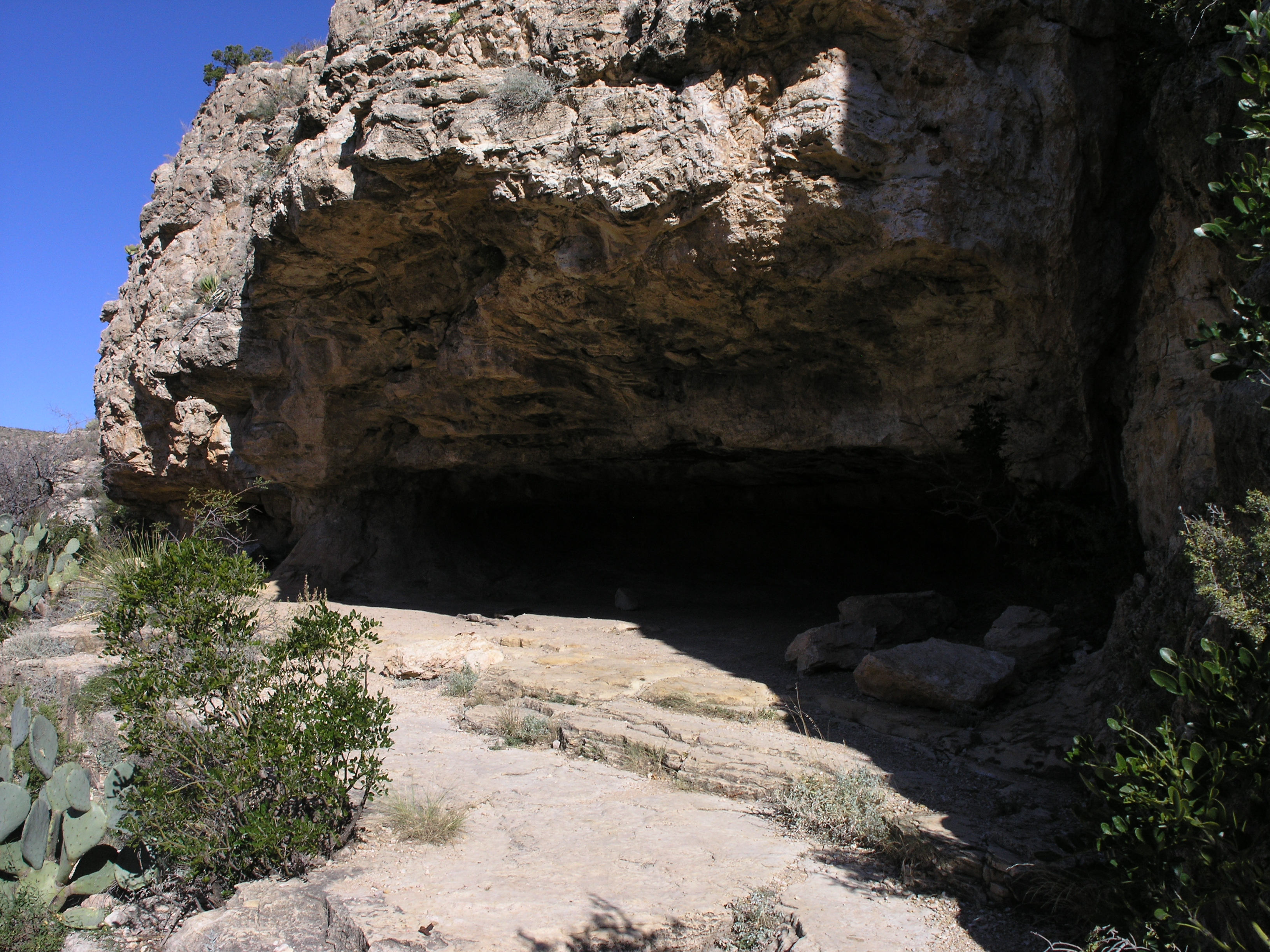
Indian rock shelter, Carlsbad Caverns

You could not tell by the record breaking crowds at Governors Island this summer, but attendance is down this year at the National Parks.  High gas prices and a stronger dollar in relation to the euro seem to be the main culprits.  I imagine this overall drop does not include the Civil War battlefields, where attendance has increased in recent years and is skyrocketing now that the sesquicentennial is in full swing.  When I volunteered in the Interpretation Division at Ellis Island a sizable portion of our visitors came from Europe. This afternoon the Hayfoot and I are having lunch in Little India with one of the Ellis rangers.  I have not seen him in several months and am curious to know if he saw an attendance drop off over the summer.

Fall is a great time to visit your parks.

(Image/Daniel Mayer)

A battle in Atlanta

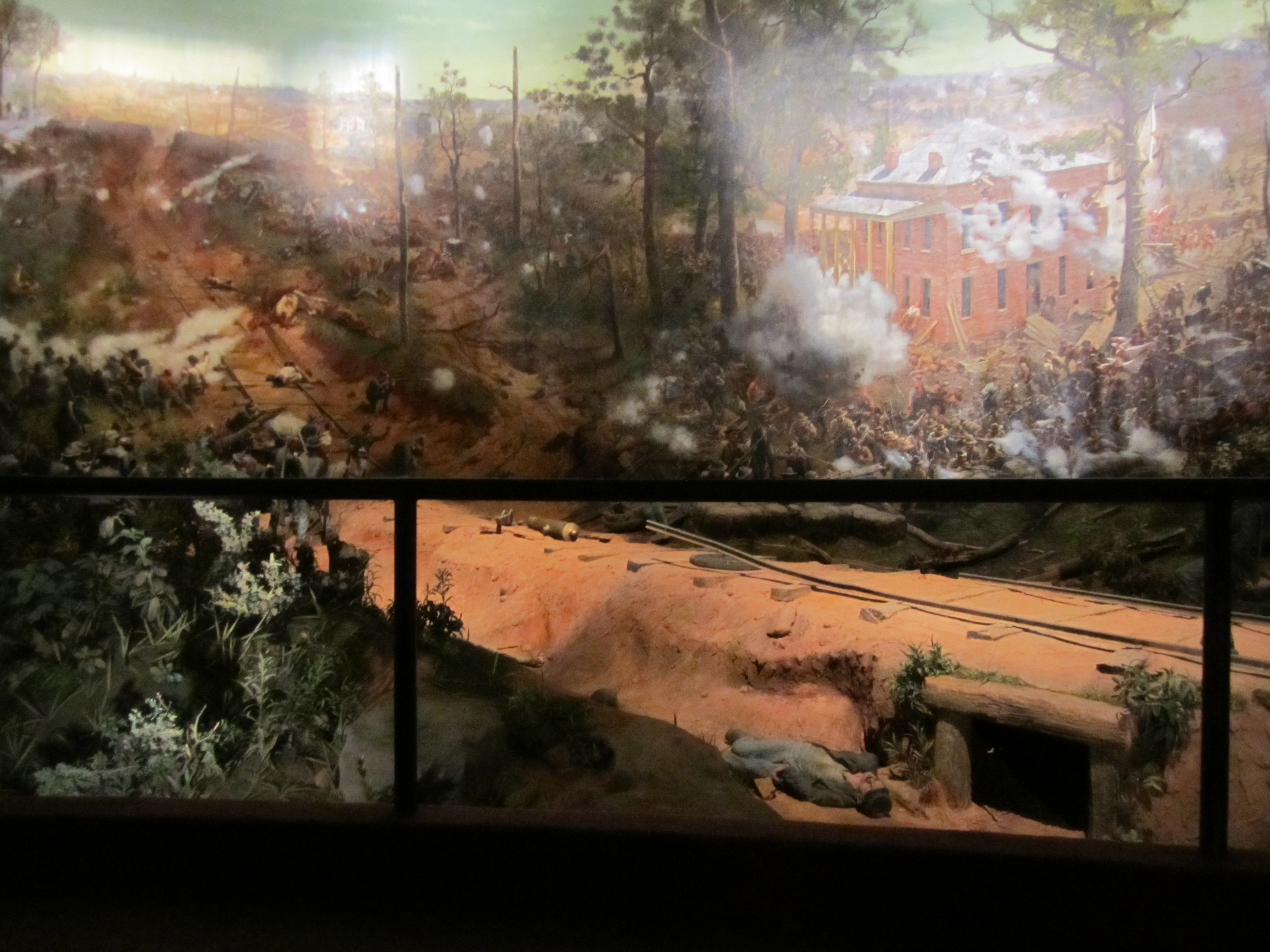
The Atlanta Cyclorama has been thrilling audiences in its present location since 1921. The heart of the exhibit is a circular, 125-year-old oil painting on five panels of Belgian linen that depicts one of the great battles of the Civil War. It’s so big it could nearly cover a football field, and it hangs like a curtain four stories high in a big, round building in the Grant Park neighborhood…

…There have been renovations over the years, the last in 1996, but the cyclorama and the dated Civil War museum that is part of the attraction might not be good enough anymore. There is talk of moving it elsewhere in the city. A new location might give the cyclorama more pop. Or, barring a move, maybe there is simply a better way for the cyclorama to tell the story of Atlanta’s place in the Civil War.

If they indeed do move the Atlanta Cyclorama, or leave it in its present location but add “more pop,” I hope they think it through. I am not against modernization–I’m typing this on my iPad–but changing something just to appeal a younger, tech-savvy audience seems a mistake.

(Detail of Atlanta Cyclorama courtesy London Looks)

A Bronx Tale

Last Saturday a friend and I ventured to the Bronx.  After Staten Island this is the borough I know the least.  My friend and I made a pact to visit the borough more often this fall.

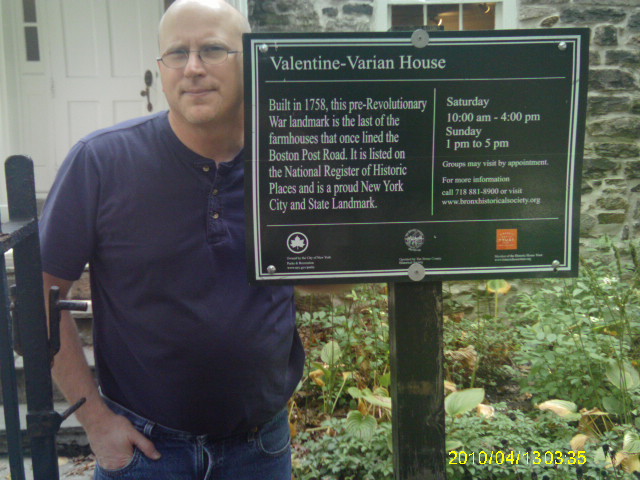
When one thinks of Colonial America, New York City does not spring to mind.  That is because so little of Gotham’s Colonial past remains.  The Valentine-Varian house lies on the Boston Post Road.

The Valentines were the original owners.  They tried to stay neutral during the Revolutionary War but still lost their fortune. After the war the Valentines began to struggle financially and the estate eventually fell into the hands of the Varians.  When it comes to New York City real estate, the more things change the more they stay the same.
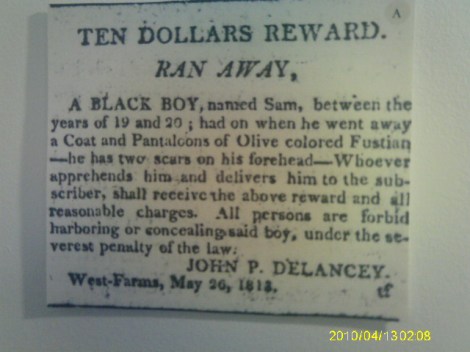
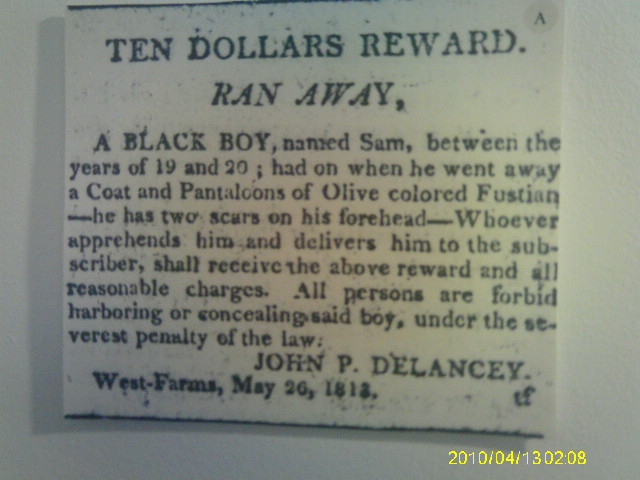
A reminder that for a good portion of America’s history slavery was not confined to the South.
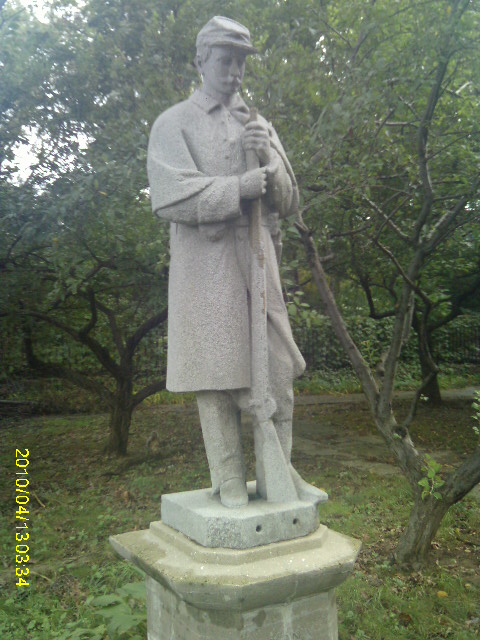
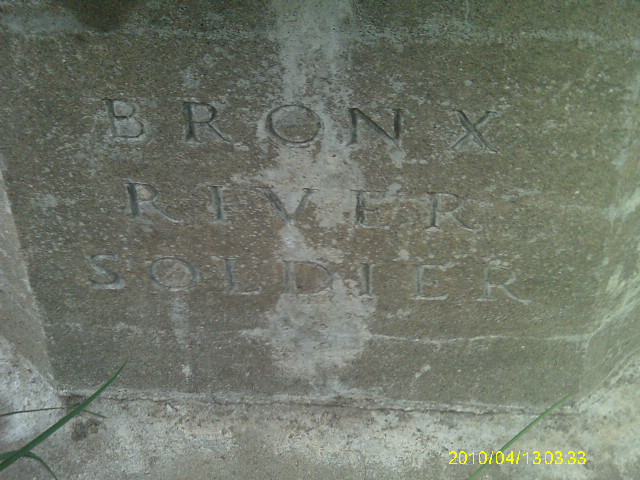
The Bronx River Soldier has a long history.  The Civil War statue was built in the 1890s and was in various locations and states of condition before finding a permanent home at the historical society.  At one point, during New York City’s Dark Years, the statue had even literally fallen into the Bronx River and been left due to scarce financial resources and indifference. Thankfully it was eventually rescued and now serves as a reminder of the sacrifice made by the men of the area.

I am sorry the location names are illegible.  A better camera is in my near future, I promise.  At least one can see from the title that Civil War memory was important to the area in the post war years.  As I always say, history is all around us if we just stop to look.  This particular book covers Brooklyn, not the Bronx, but here is one of my favorite titles.
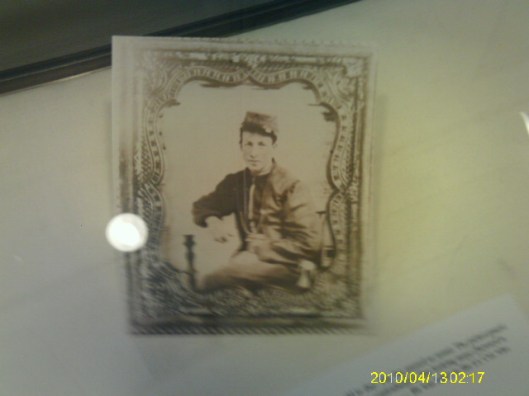
William Saward was a member of the 9th New York, Hawkins Zouaves.  The 9th New York served under Ambrose Burnside. Saward died in April 1862.
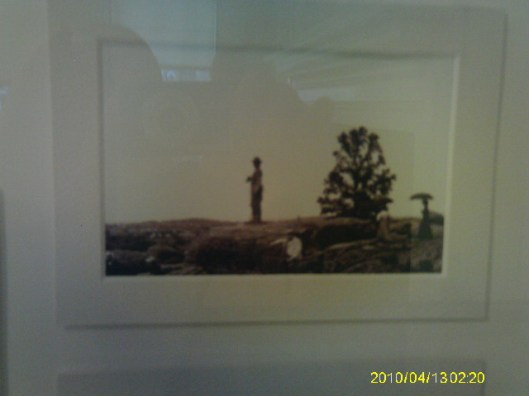
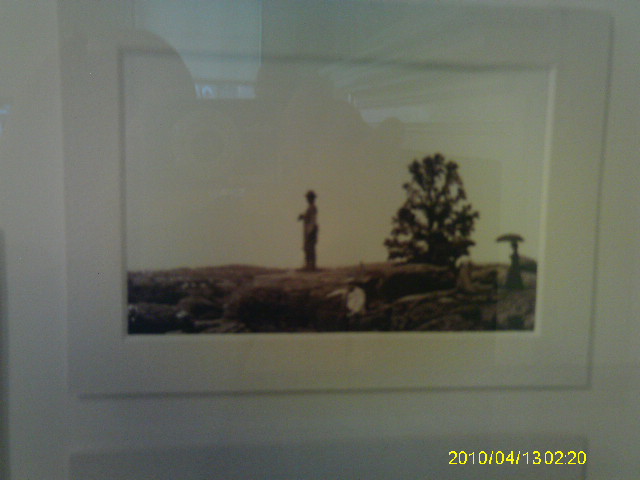
Yes, that is the General Warren statue on Little Round Top.  The Saward family visited Gettysburg in the late 1890s.  I love the lady holding the parasol on the far right.

As elsewhere, the Grand Army of the Republic was a powerful presence in the Bronx.
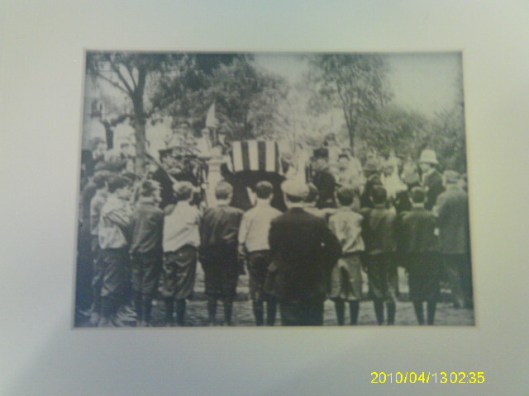
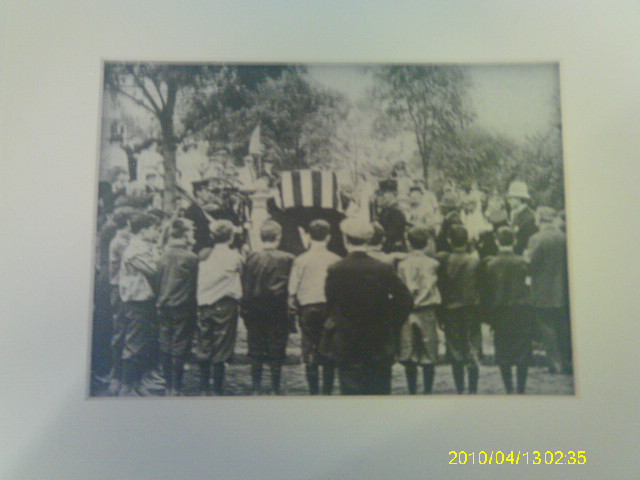
This is a Decoration Day, 1911.
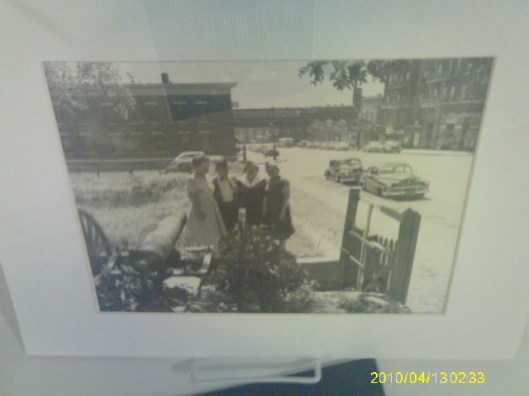
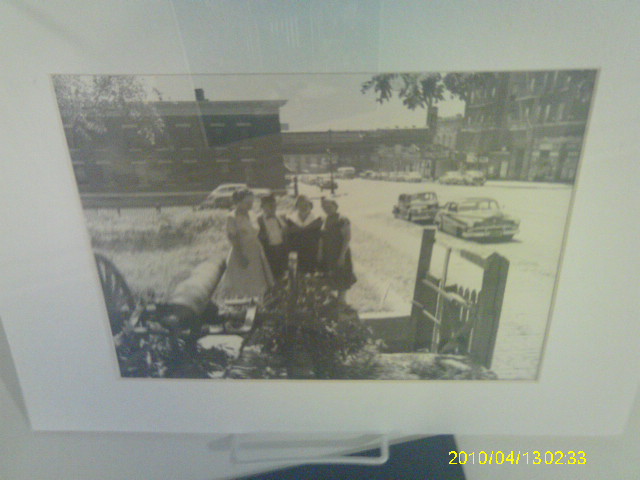
…and Memorial Day circa 1950.  Note the cars to the right.  In that decade before the Centennial there were still many people throughout the country with a living connection, through their parents or grandparents, to the war.

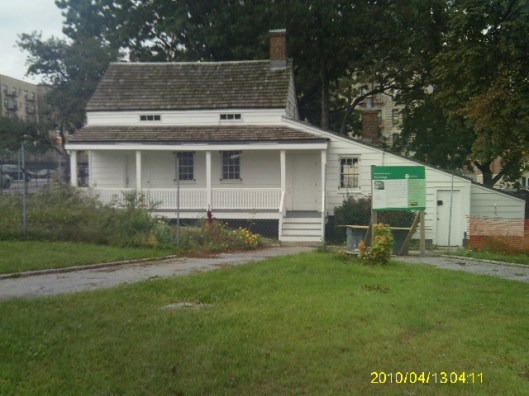
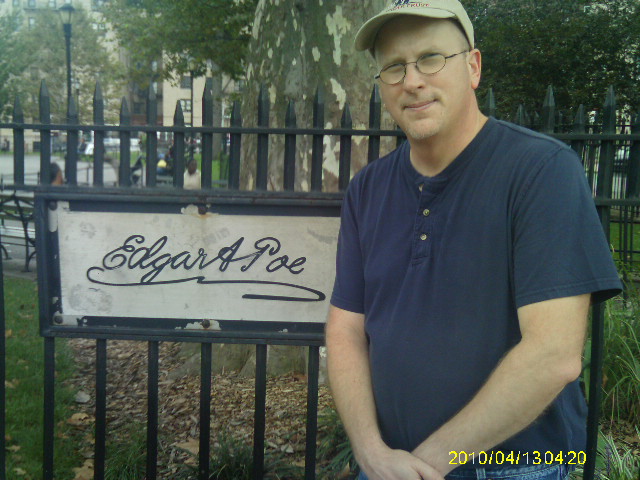
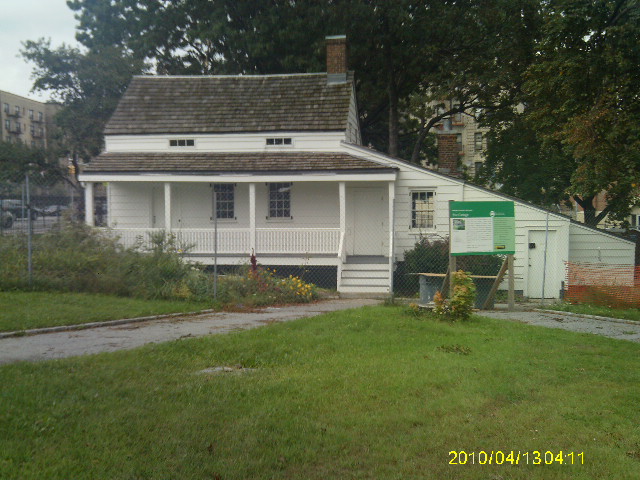
We walked ten or so blocks to the Edgar Allen Poe house on the Grand Concourse.  The house is closed for renovation but at least we saw it from the outside.  Poe rented the cottage from the Varians.

When Poe lived here the Bronx was rural and remote.  As the photo shows, it now lies in the heart of this vibrant community.

The afternoon made me realize that the Bronx is more than just getting on the subway and going to a baseball game.  I look forward to exploring the only borough that lies within the contiguous U.S. in greater depth.  When I do, I will bring that new camera.

Not that there’s anything wrong with that

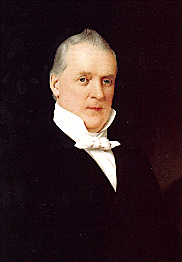
We will never know President James Buchanan’s sexual orientation with 100% certainty, but it would not be a total shock if he indeed turned out to have been gay.  We have had forty four presidents and what would be shocking is if at least one of them were not.  Several years ago certain groups argued Lincoln was homosexual because he sometimes slept in the same bed with other men during his years on the Illinois legal circuit.  The evidence, to put it mildly, was weak; sleeping in such a manner was common practice in mid nineteenth century America, when accommodations were scarce and travellers made do as best they could.  I am sympathetic to the search by persecuted groups in the  search for role models. History, though is about following the evidence where it leads, not making claims one wishes to be true. It will be interesting to see where the Buchanan story goes.  If true, it would add a more nuanced interpretation to Buchanan and his times.

Temple of Invention

These last few years the Hayfoot and I have been visiting Washington fairly frequently.  Our favorite place is the National Portrait Gallery.  For better or worse, I have always taken a cross-disciplinary approach to art and literature, collating in my head the circumstances under which the book was written or the scuplture created.  There is no better place for this than the NPG, with its collections of historical paintings and sculpture that put the art into a historical context.  The last time we visited in July I was reading The Siege of Washington, which chronicled those tense days just after Fort Sumter when it appeared the Confederacy just might take the Federal capitol and end the war before it began.  In Siege, the Lockwood brothers describe how Clara Barton clerked in the Patent Office, which was located in the Greek revival building that is now the Smithsonian Portrait Gallery.  Unfortunately, sexual harassment was not uncommon.  Walt Whitman worked in the Patent Officen during the war, when the facility was used as a hospital.  The building’s history as a museum dates only to the 1960s, not that long ago in the grand scheme of things.

The museum is currently exhibiting a retrospective on the building called Temple of Invention.  Here is the online version.

Submitted for your approval

Two years ago this weekend I spoke at the Rod Serling Conference at Ithaca College in upstate New York.  The conference proceedings can be found here.  As it turned out, the conference was a week before my wedding and an old friend whom I have know for almost forty years made the trip with me.  We had watched the Twilight Zone in high school when the show made a comeback in syndication.  Twilight Zone seemed like ancient history when we watched it in the early 1980s, but it had gone off the air just twenty years earlier.  Chronologically, that is the equivalent of watching Seinfeld today.

In preparation for the conference I bought the TZ boxed set Memorial Day weekend in 2009 and over the summer the woman who became my wife and I watched all one hundred and fifty-six episodes.  Speaking at the conference–on the 50th anniversary to the day when TZ first aired–was like entering the Zone myself.  My past and present were colliding.  A few weeks back the Hayfoot was looking at my high school yearbook and noted that my friend had mentioned Twilight Zone on the dedication page.  For me TZ has always been one of those cultural reference points, like the Beatles and Miles Davis, that have always been there.  Not something you necessarily think about everyday, but there in the background to pick up and put down as one pleases.

My friend and I saw Twilight Zone: The Movie the night it was released in 1983, which to tell you the truth wasn’t that great.  My memories of that night and the period are nonetheless warm.  Apparently another film is in the works.

John W. Whitehead at Huffington Post has this appreciation.

(Number 12 Looks Just Like You/Courtesy: Zjschertz)

Bon weekend

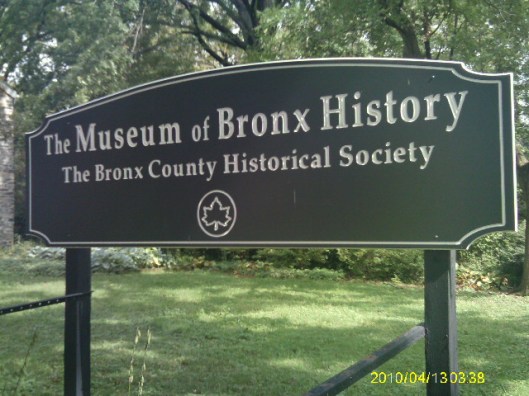
I am sorry about the lack of posts these past few days but I took a few annual leave days this week and have been checking email/internet only intermittently.  We do not yet have internet access (or television) at home, which at least saved me the anguish of watching the Sox historic collapse the other day.  The past few days have been less vacation than working from home.  I am writing an article for an online publication and have spent the last few days concentrating on that.  Yesterday I wrote 1,000 words and cranked out an additional 500 this morning before heading out to my local branch library to check email, etc.  The goal is to write 1,000 words this evening and work on the draft over the weekend.  Still, it is not all work and no play.  A friend and I are going to the Bronx Historical Society tomorrow for the final weekend of this.

I will be back on Monday with more posts and will certainly let you know if/when the article is indeed picked up.

Have a good weekend.

PS–Rooting for my old hometown Rangers now that the Sox are gone.

A day in Green-Wood

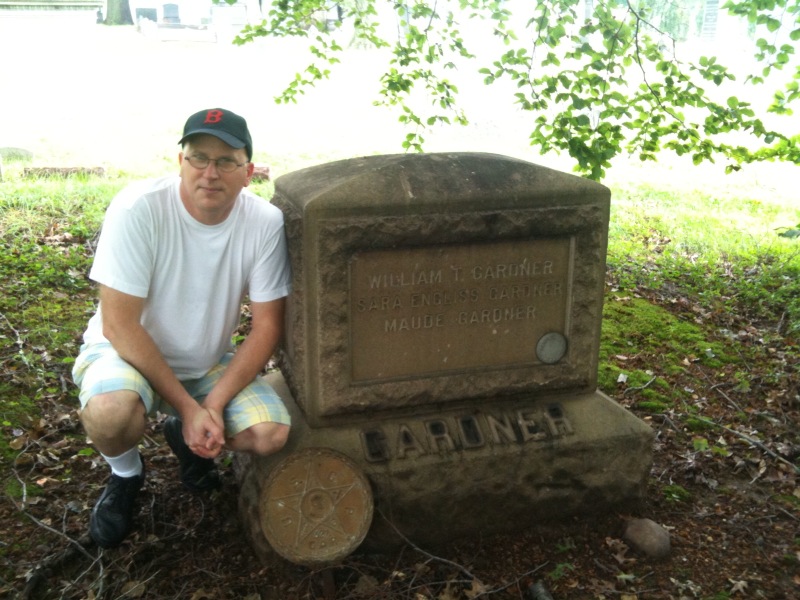
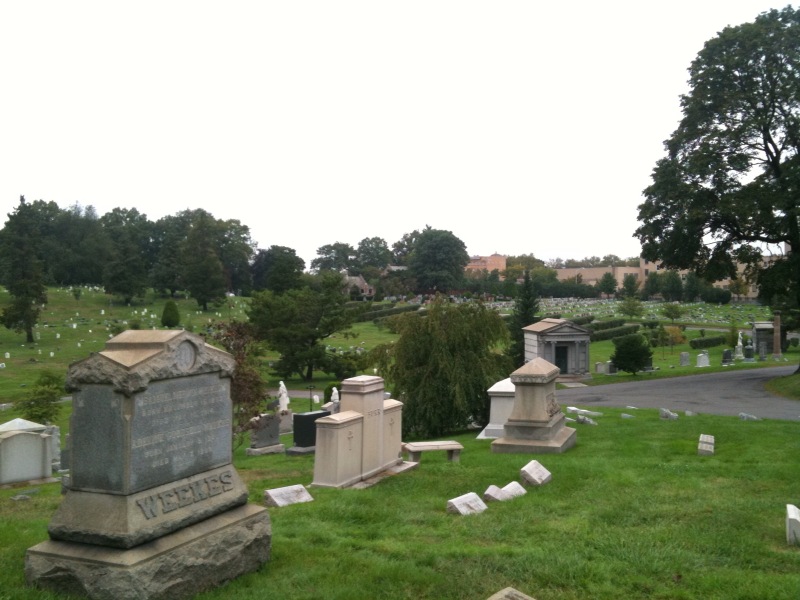
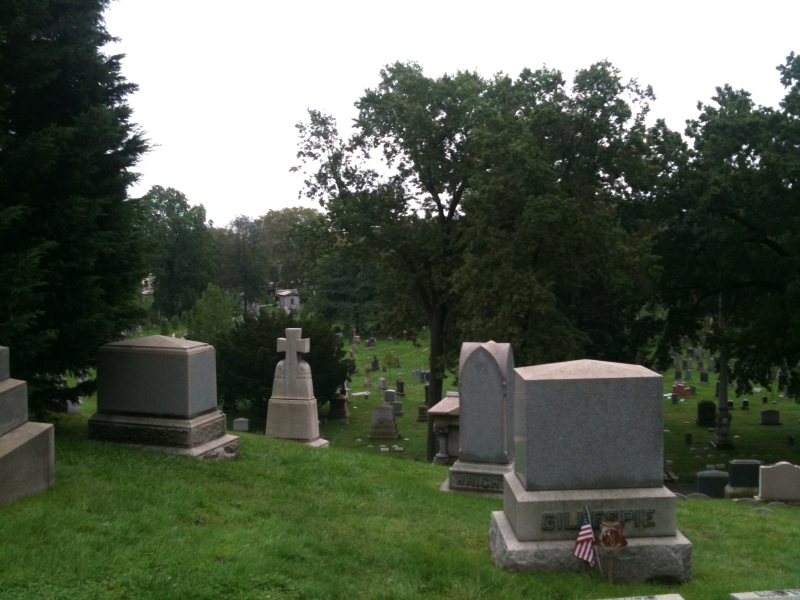
Hey everybody, the Hayfoot was out of town this weekend and a friend of mine came to our fair borough to hang out.  Naturally we went to Green-Wood Cemetery on what turned out to be an unseasonably warm and humid afternoon.  Here are a few pics.


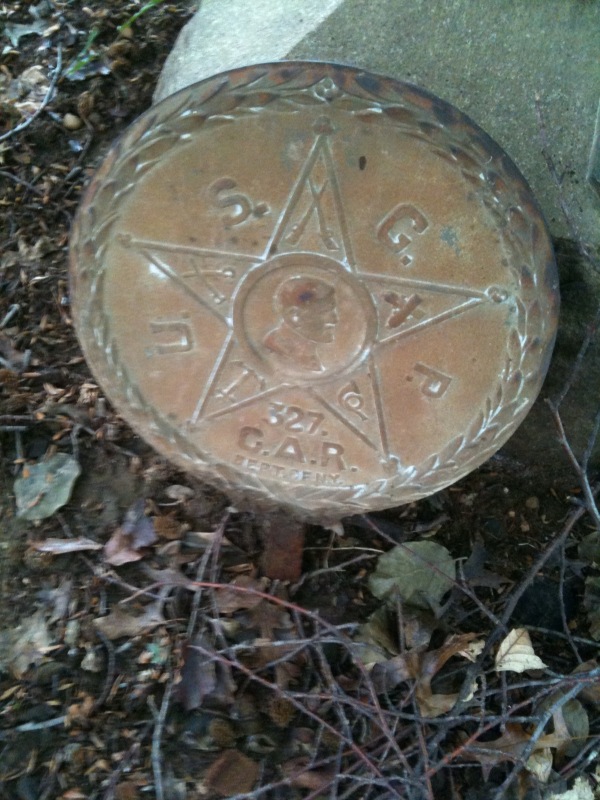
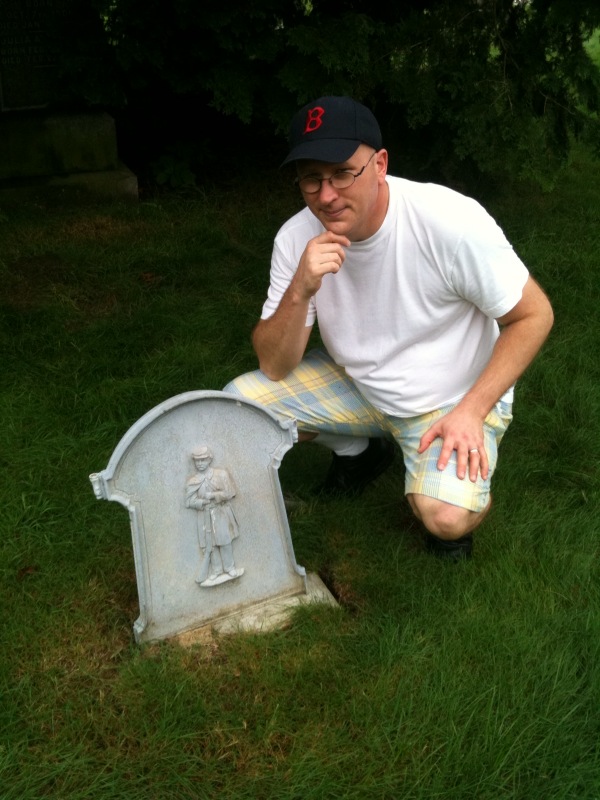
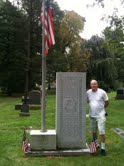
One runs into Civil War veterans at every turn.  I have always loved these Grand Army of the Republic markers, which are ubiquitous.  The GAR was an extraordinarily influential lobbying group well into the 20th century.


This headstone is made of metal.  It is the only one of its kind I have seen in the historic cemetery.

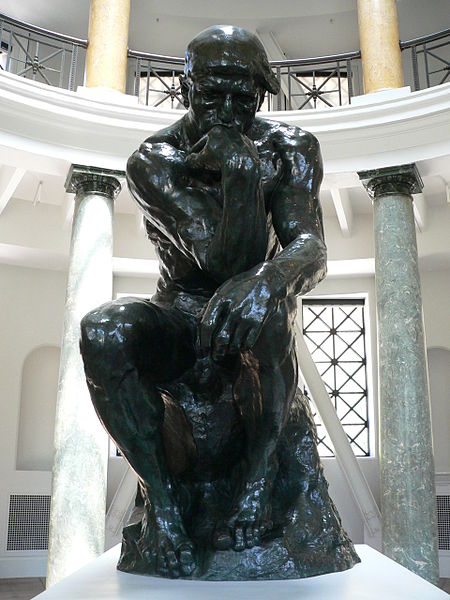
(Image/David Monniaux)

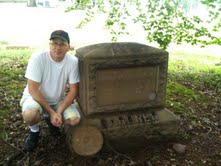
I look like I am channeling Rodin here.

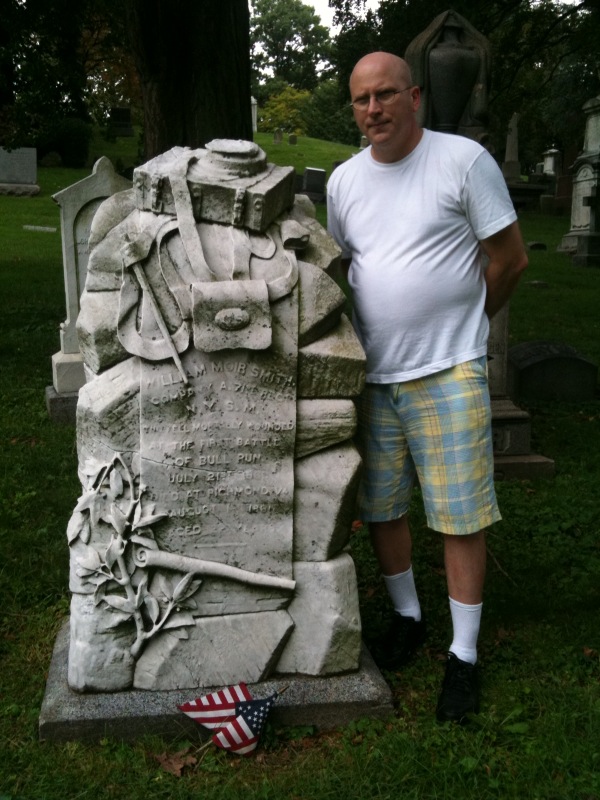
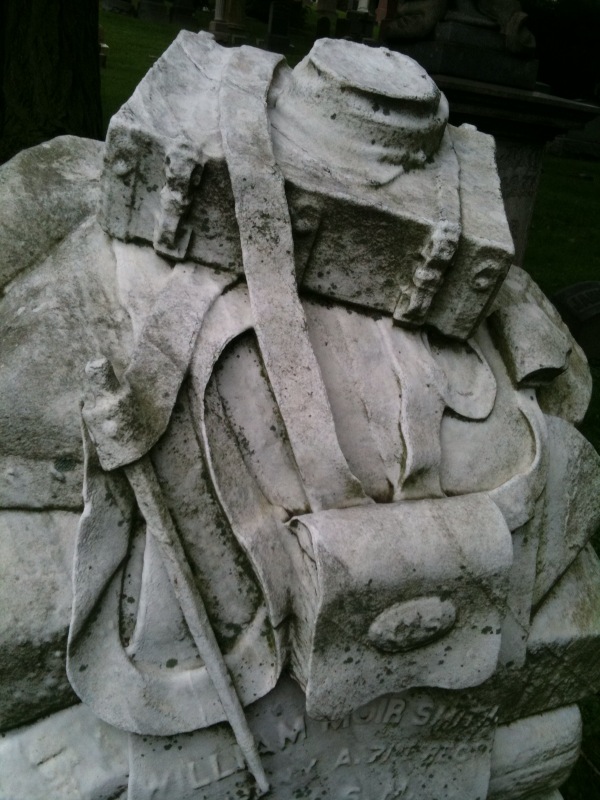
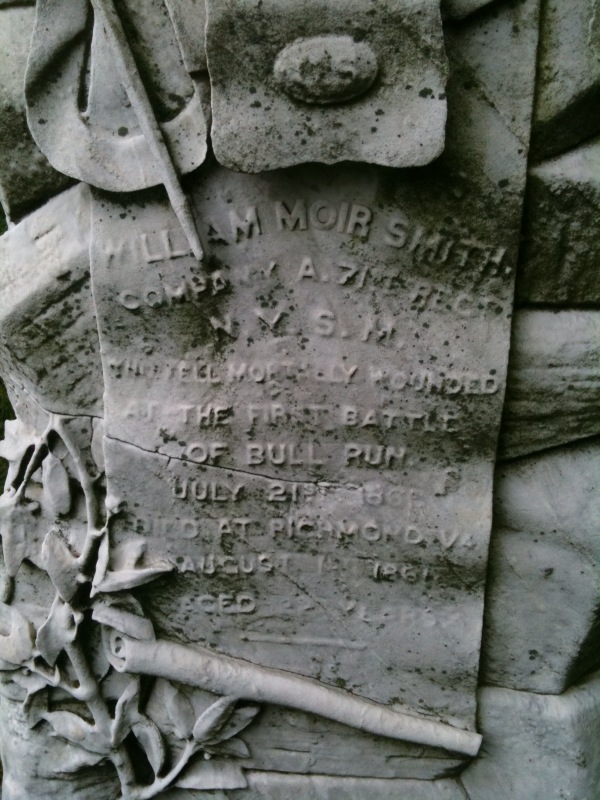
This soldier was mortally wounded at First Bull Run and died in August 1861.

The detail on the headstone is magnificent, but sadly the marble has weathered considerably in the past century and a half.  In a few short years the lettering will be gone.  That is why the cemetery’s work laying new headstones is vital.


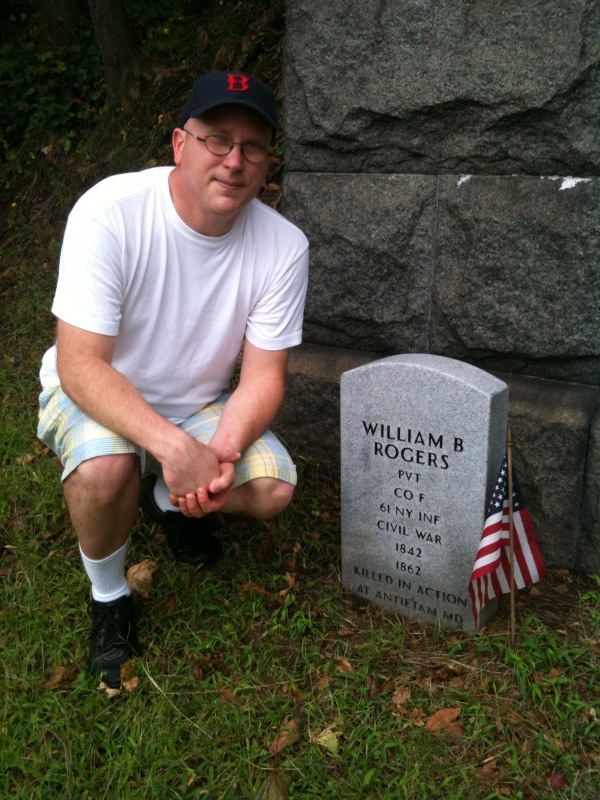
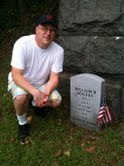
Young William Rogers, all of twenty, was killed a year later at Sharpsburg.

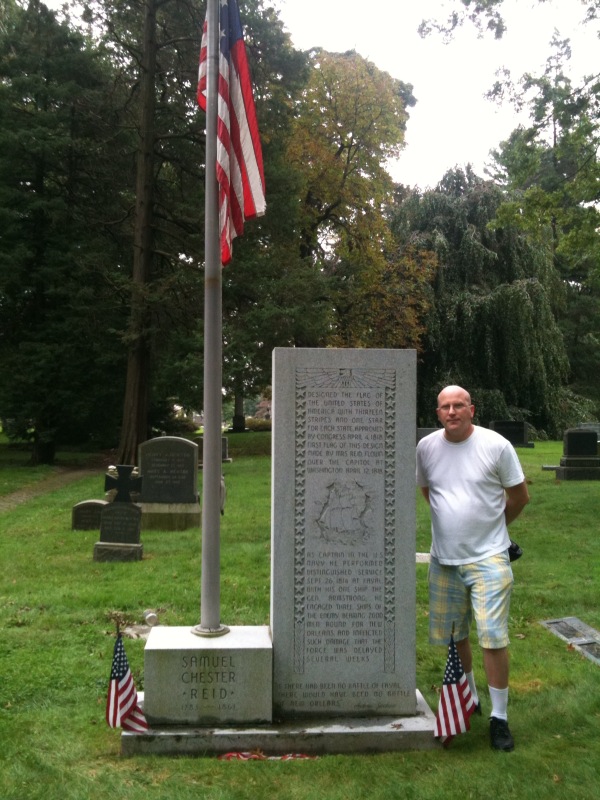
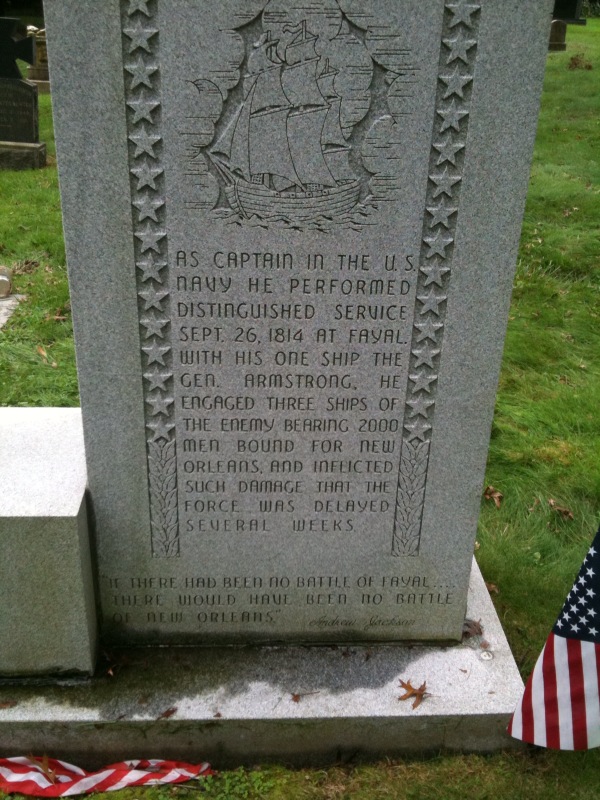
Samuel Chester Reid: Navy hero, designer of the United States flag

With vistas like these how could it not be a good day?  And afterward it was back home for the lunch the Hayfoot had prepared for us before leaving town.

Thanks for checking in.


The Confederate Battle Flag

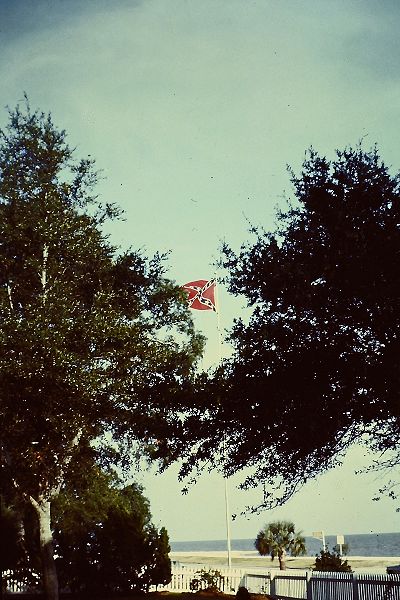
I have not started it yet, but over the weekend I checked John Coski’s The Confederate Battle Flag: America’s Most Embattled Emblem out of the library.  I am never quite sure what to make of cases such as this.  Instances like these appear to be a direct provocation, though I do not know the details of this specific case.  I believe that the First Amendment allows symbolic speech and that flying the flag falls under this category.  I would argue that individuals have a right to exhibit the symbol, but should show restraint and wisdom when doing so.  Governments on the other hand are a different story.  This is especially true in states where the symbol was added to state flags during the Civil Rights era in response to desegregation.  I have wanted to read Coski’s book for some time and this article is a reminder of the topic’s currency.

(New Orleans, 1963/Image courtesy Chuck Battles)